
Museum
17:43, 27-Jul-2018
British Museum's Tmall shop sells out in less than a month
Updated
17:09, 30-Jul-2018
 ["china"]
Share






Copied
In China, a museum opening an online store is considered normal, and not newsworthy. However, the British Museum's shop on e-commerce platform has found unusual success.
In 2016, the British Museum signed a deal with Alibaba Group to open its own store on Tmall.
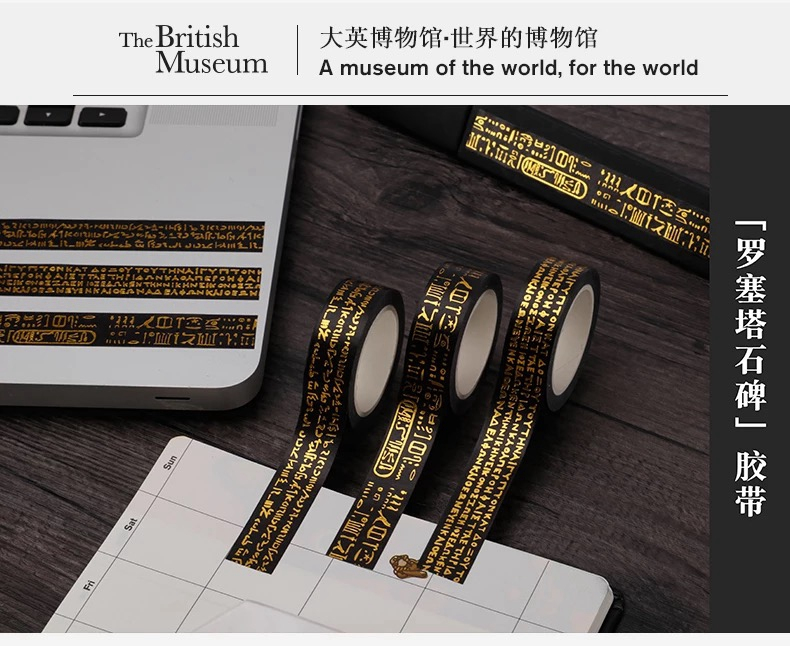
Tapes on display in the British Museum's online store on Tmall. /Photo via Tmall
Tapes on display in the British Museum's online store on Tmall. /Photo via Tmall
When the store opened earlier this month, it launched with 20 items. As of Friday, only two are still available; everything else is sold out. On the first day alone, the store attracted over 30,000 followers, and the number has now reached 151,000.
The store’s products are similar to those sold from other museums, including handbags, tapes, mobile phone shells and souvenirs based on their collections, such as the Rosetta stone, Egyptian mummy and some of Britain’s cultural symbols.
Their Tmall shop was not the British Museum's first foray into the Chinese market. Last year, an exhibition dubbed “The British Museum: A History of the World in 100 Objects” opened to visitors at the Shanghai Museum. Souvenirs sold at the exhibition totaled three million yuan (over 440,000 US dollars).
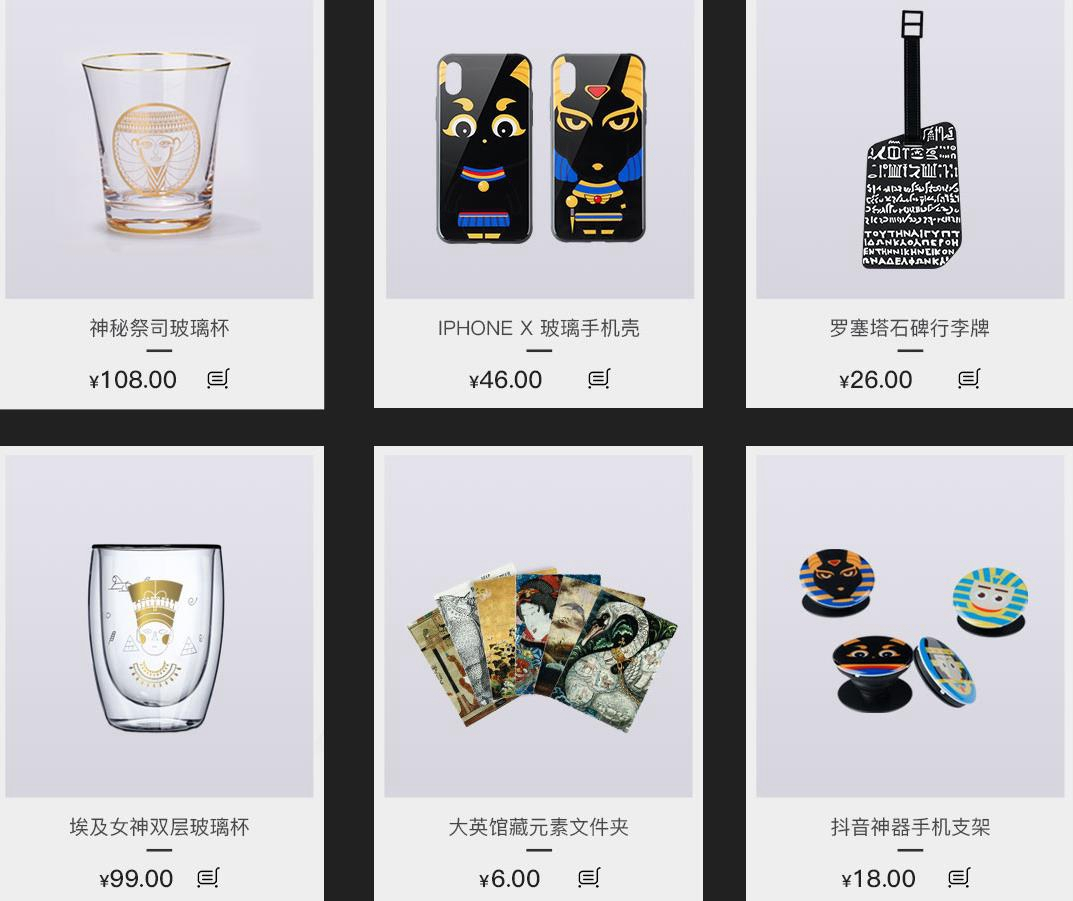
Items on display in the British Museum's online store on Tmall. /Photo via Tmall
Items on display in the British Museum's online store on Tmall. /Photo via Tmall
Chinese museums have already become veterans in online stores. The Palace Museum has two stores respectively on Taobao and Tmall, with the number of followers exceeding 3.71 million. The museum has sold over one billion yuan (15 million US dollars) worth of goods online.
Online revenue from the Shanghai Museum exceeds 38 million yuan (5.57 million US dollars), accounting for nearly 80 percent of the museum’s income.