
Politics
10:46, 15-Jun-2018
Mnangagwa among 23 candidates in Zimbabwe presidential poll
 ["africa"]
Share







Copied
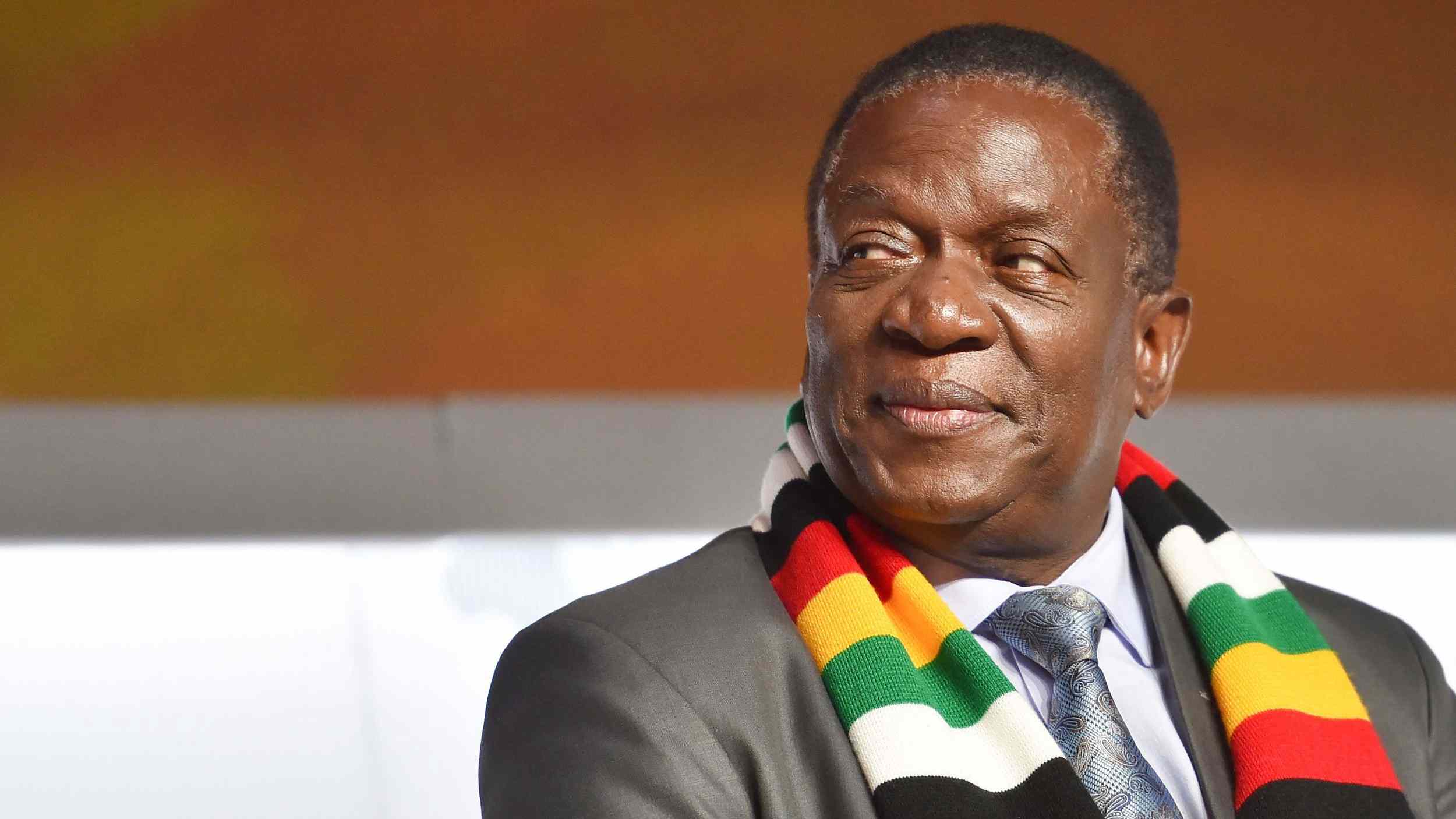
President Emmerson Mnangagwa and his main rival Nelson Chamisa are among the 23 candidates registered on Thursday to run in Zimbabwe's first national elections of the post-Mugabe era.
Governments and investors will be closely watching the July 30 presidential, parliamentary and local ballots.
Mnangagwa has already invited observers, including the European Union and the Commonwealth for the first time in more than a decade, to monitor the polls.
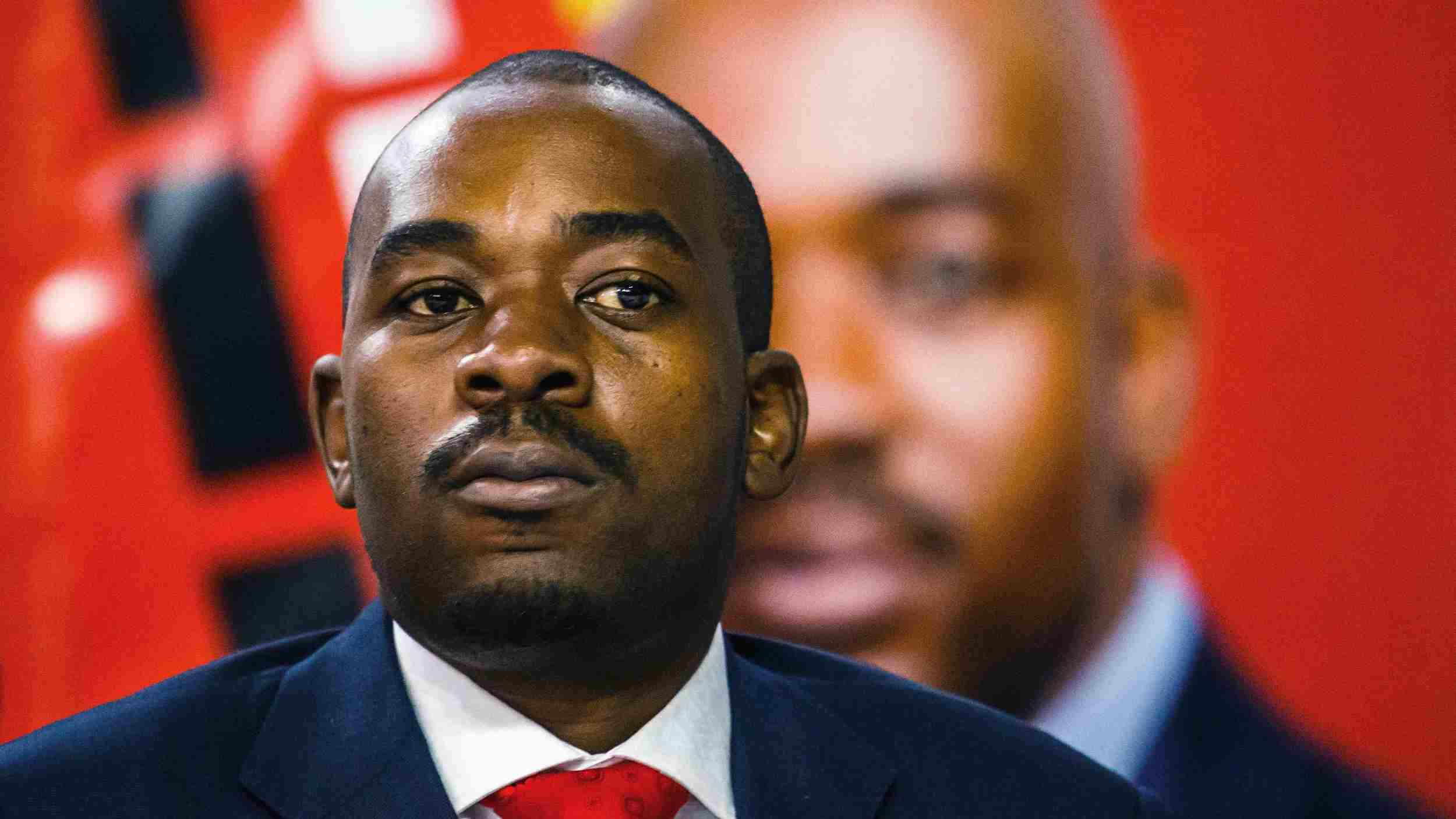
Zimbabwe main opposition party MDC leader Nelson Chamisa looks on during the launch of his party's manifesto ahead of the July 30 general elections, on June 7, 2018, in Harare, Zimbabwe. /VCG Photo
Zimbabwe main opposition party MDC leader Nelson Chamisa looks on during the launch of his party's manifesto ahead of the July 30 general elections, on June 7, 2018, in Harare, Zimbabwe. /VCG Photo
Mnangagwa and Chamisa are both campaigning on a pledge to revive an economy crippled by a legacy of often violent seizures of land from white commercial farmers and a black economic empowerment drive that targeted foreign-owned businesses.
The ruling ZANU-PF says Zimbabwe is at a critical stage of transition requiring an experienced politician like Mnangagwa.
There are 5.4 million electorates in the country, 60 percent of whom are under 40.
An unofficial survey released by the Mass Public Opinion Institute last week in second city Bulawayo put Mnangagwa on 42 percent and Chamisa on 31 percent, while 25 percent declined to disclose a preference.
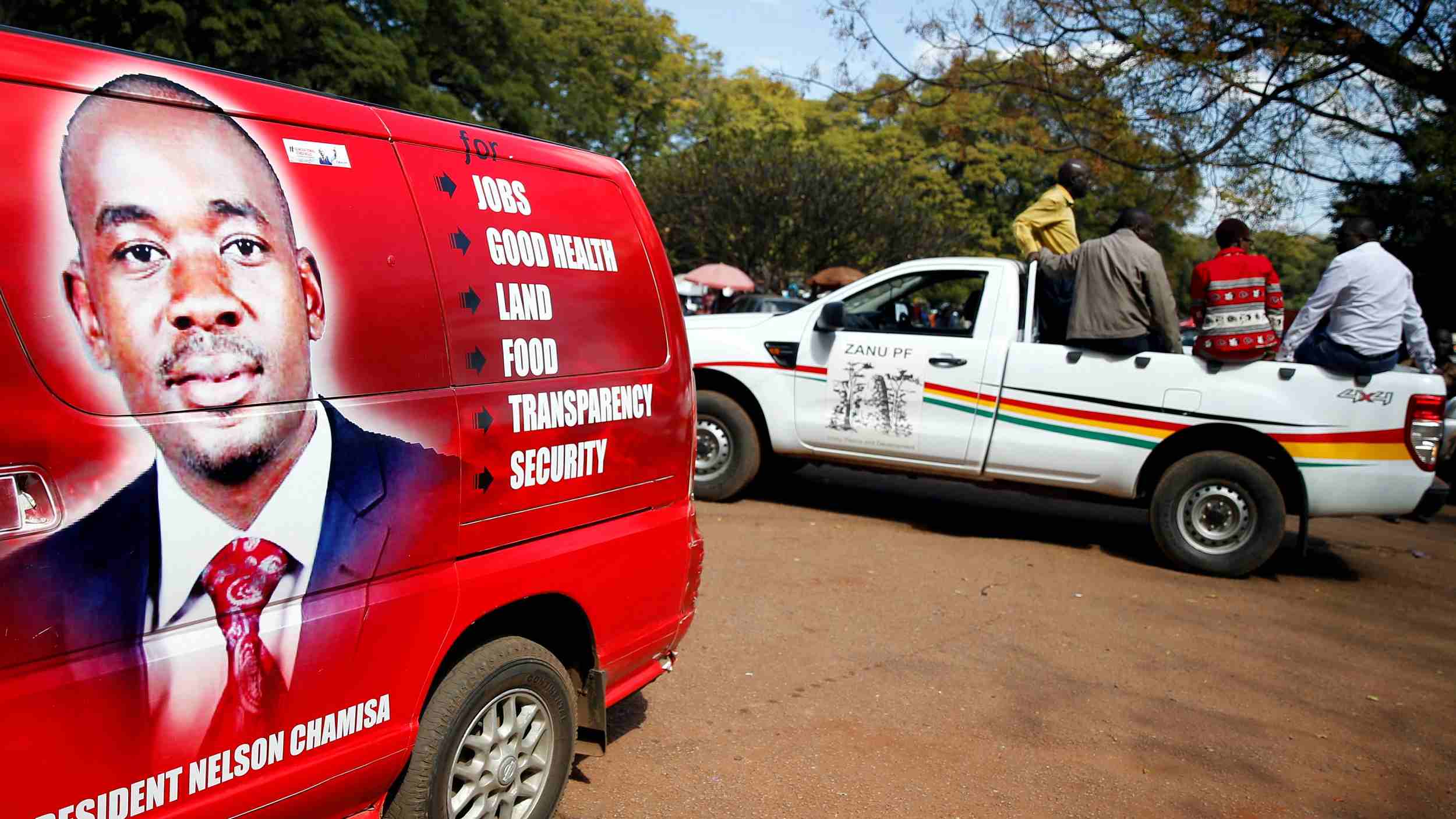
Vehicles display the logos for Zimbabwean opposition party MDC and the ruling ZANU PF party outside an election nomination court in Harare, Zimbabwe, June 14, 2018. /VCG Photo
Vehicles display the logos for Zimbabwean opposition party MDC and the ruling ZANU PF party outside an election nomination court in Harare, Zimbabwe, June 14, 2018. /VCG Photo
Mnangagwa enjoys the backing of the army, which analysts told Reuters remains averse to any leader who lacks a pedigree from the liberation war against white rule.
Chamisa faces the additional hurdle of a divided opposition vote. Joice Mujuru, a Mugabe deputy for 10 years before she was ousted from the ruling party in 2014, and Thokozani Khupe, who leads a splinter MDC faction after falling out with Chamisa, also entered the presidential race.
Attempts by Chamisa to have the pair join the MDC and its alliance of smaller parties have so far failed.
"It is unfortunate that we are in a situation where other parties have not seen the light to say that it is important for opposition forces to unite and rally behind one candidate," said Jameson Timba, who presented Chamisa's nomination papers.
This year's vote has attracted more candidates than usual. The 2013 elections attracted five while the 2008 polls were contested by only four.
"This may be due to a sense of political liberalization and relative peace as opposed to the highly polarized and violent political contestation between the Mugabe-led Zanu-PF and the MDC," Gideon Chitanga of the Johannesburg-based Political Economy Southern Africa think-tank told AFP. "The election campaigns have so far been peaceful."
To register successfully, presidential candidates had to pay a 1,000 US dollar fee and be nominated by at least 100 registered voters from across the country's 10 provinces.
If no single presidential candidate wins an absolute majority next month, a run-off is scheduled for September.
(With input from agencies)
10895km