
Science
11:09, 24-Apr-2018
Biologists propose to sequence DNA of all life on Earth
 ["china"]
Share







Copied
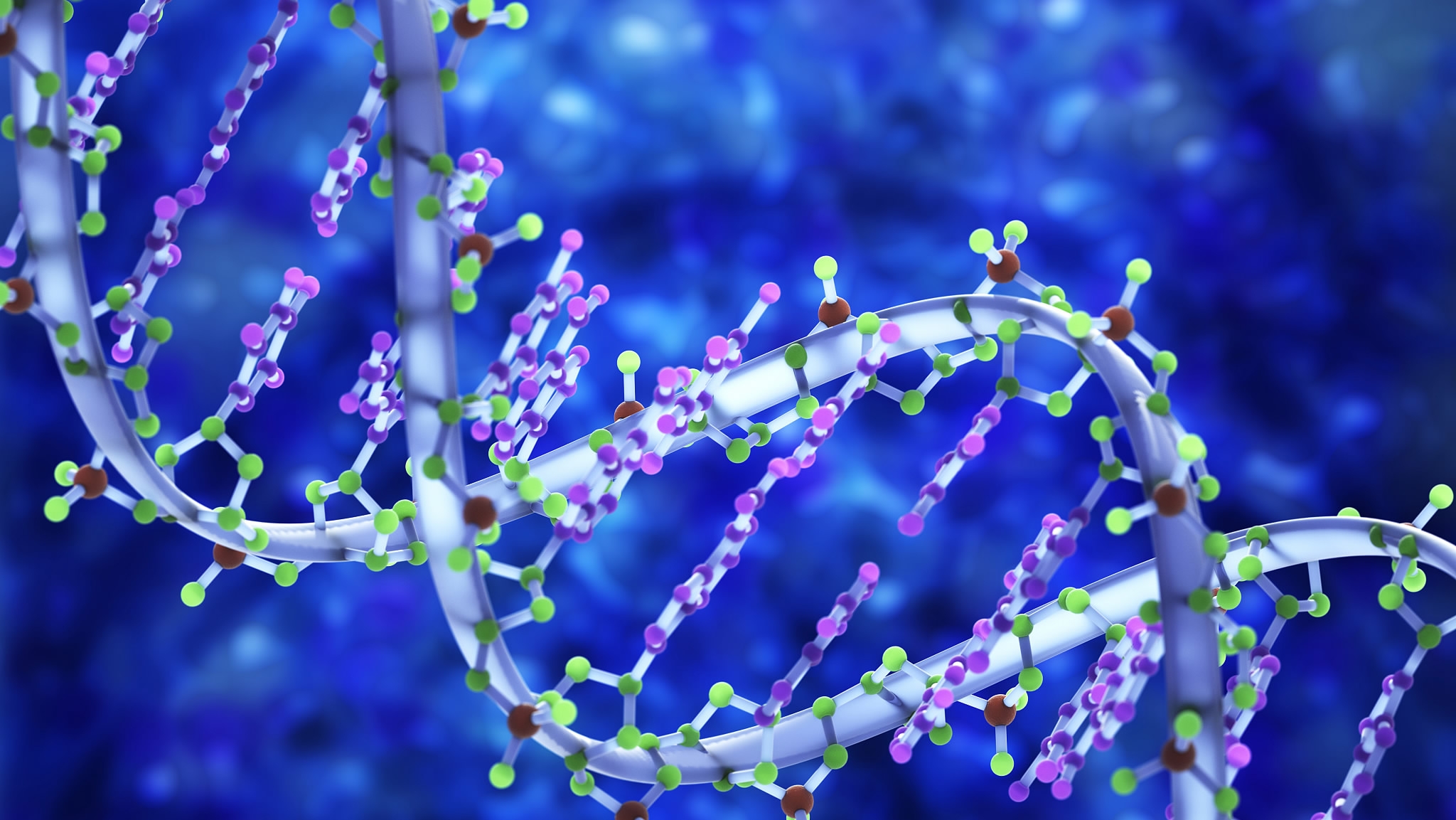
A global consortium of scientists is proposing a hugely ambitious project in the history of biology: sequencing the DNA of all known eukaryotic species on Earth.
The central goal of the Earth BioGenome Project (EBP) is to understand the evolution and organization of life on our planet by sequencing and functionally annotating the genomes of 1.5 million known species of eukaryotes, a massive group that includes plants, animals, fungi and other organisms whose cells have a nucleus that houses their chromosomal DNA.

Group of blue-colored cells under microscope /VCG Photo
Group of blue-colored cells under microscope /VCG Photo
The initiative, described on Monday, is led by a coordinating council with members from the United States, the European Union, China, Brazil, Canada, Australia and some African countries.
The benefits of the monumental project promise to be a complete transformation of the scientific understanding of life on Earth and a vital new resource for global innovations in medicine, agriculture, conservation, technology and genomics.
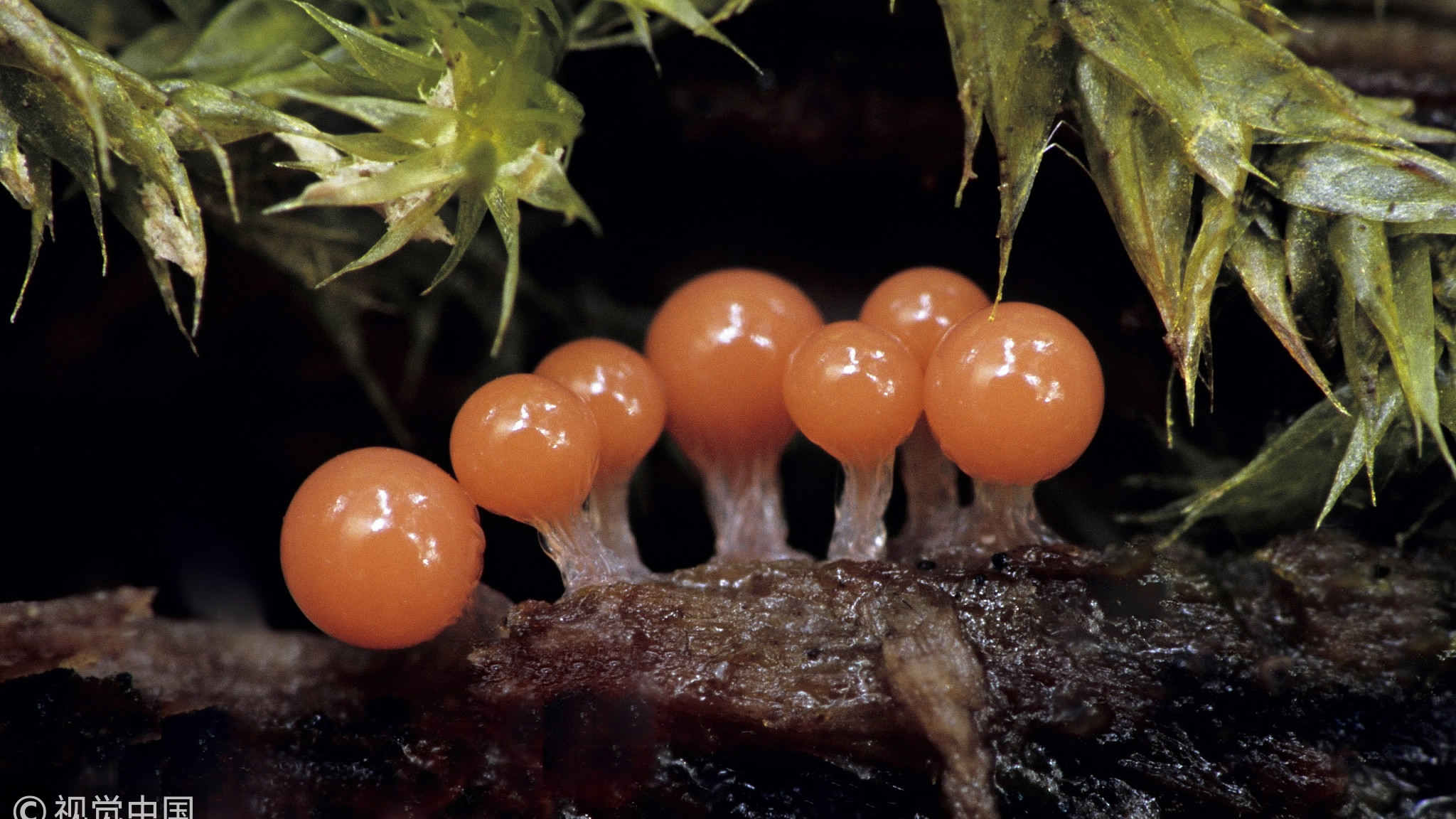
Slime mold /VCG Photo
Slime mold /VCG Photo
The project also seeks to reveal some of the estimated 10 to 15 million unknown species of eukaryotes, most of which are single-cell organisms, insects and small animals in the oceans.
The genomic data will be a freely available resource for scientific discovery and the resulting benefits shared with countries and indigenous communities where biodiversity is sourced.
Researchers estimate the proposed initiative will take 10 years and cost approximately 4.7 billion US dollars.
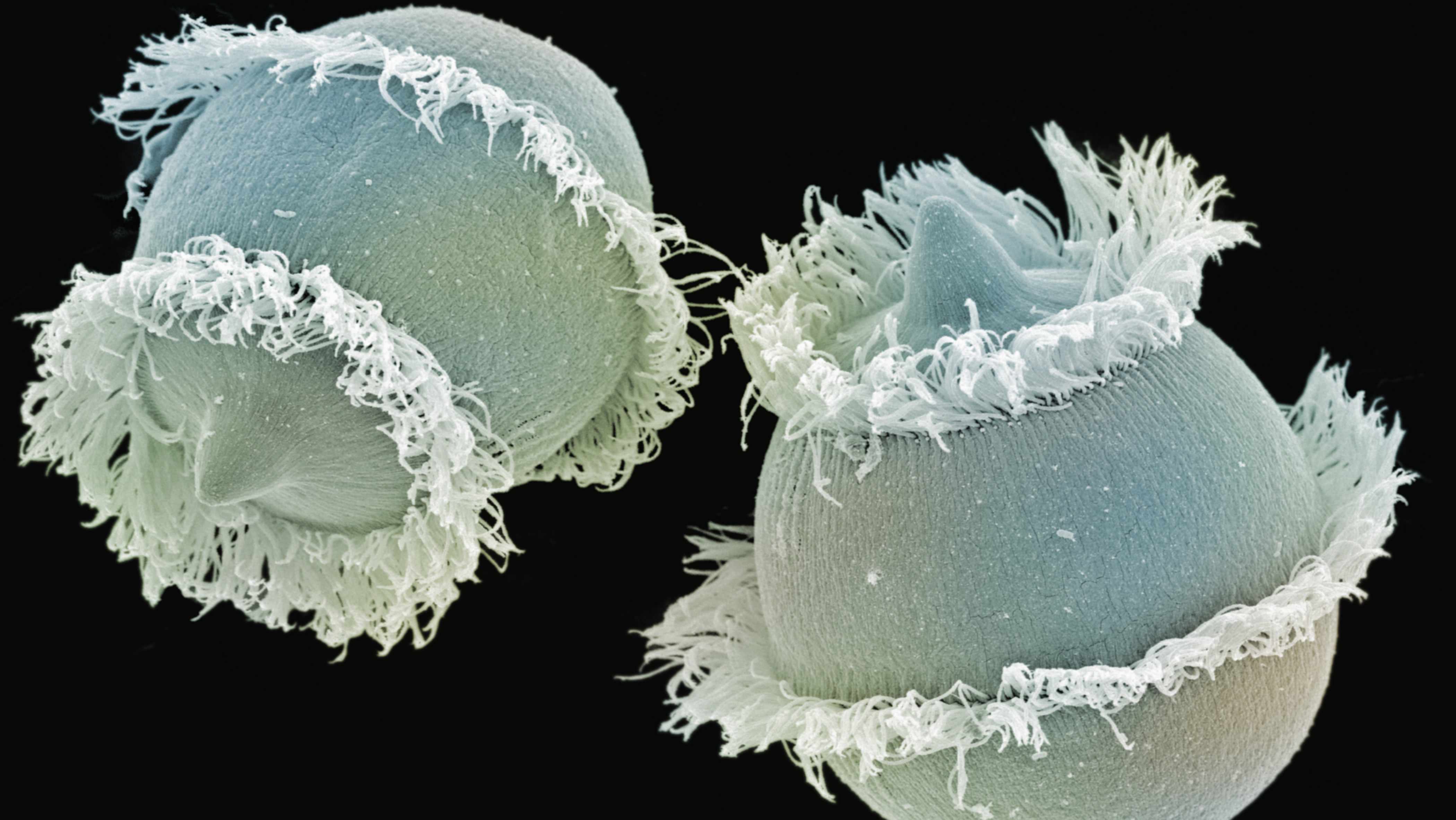
Didinium is a predatory protozoan (it eats other protozoans) that feeds primarily on paramecium. /VCG Photo
Didinium is a predatory protozoan (it eats other protozoans) that feeds primarily on paramecium. /VCG Photo
"The Earth BioGenome Project will give us insight into the history and diversity of life and help us better understand how to conserve it," said Gene Robinson, director of the Carl R. Woese Institute for Genomic Biology at the University of Illinois who chairs the project.
With advances in high-performance computing, data storage and bioinformatics, the high throughput assembly and characterization of genomes is now feasible, according to the researchers.
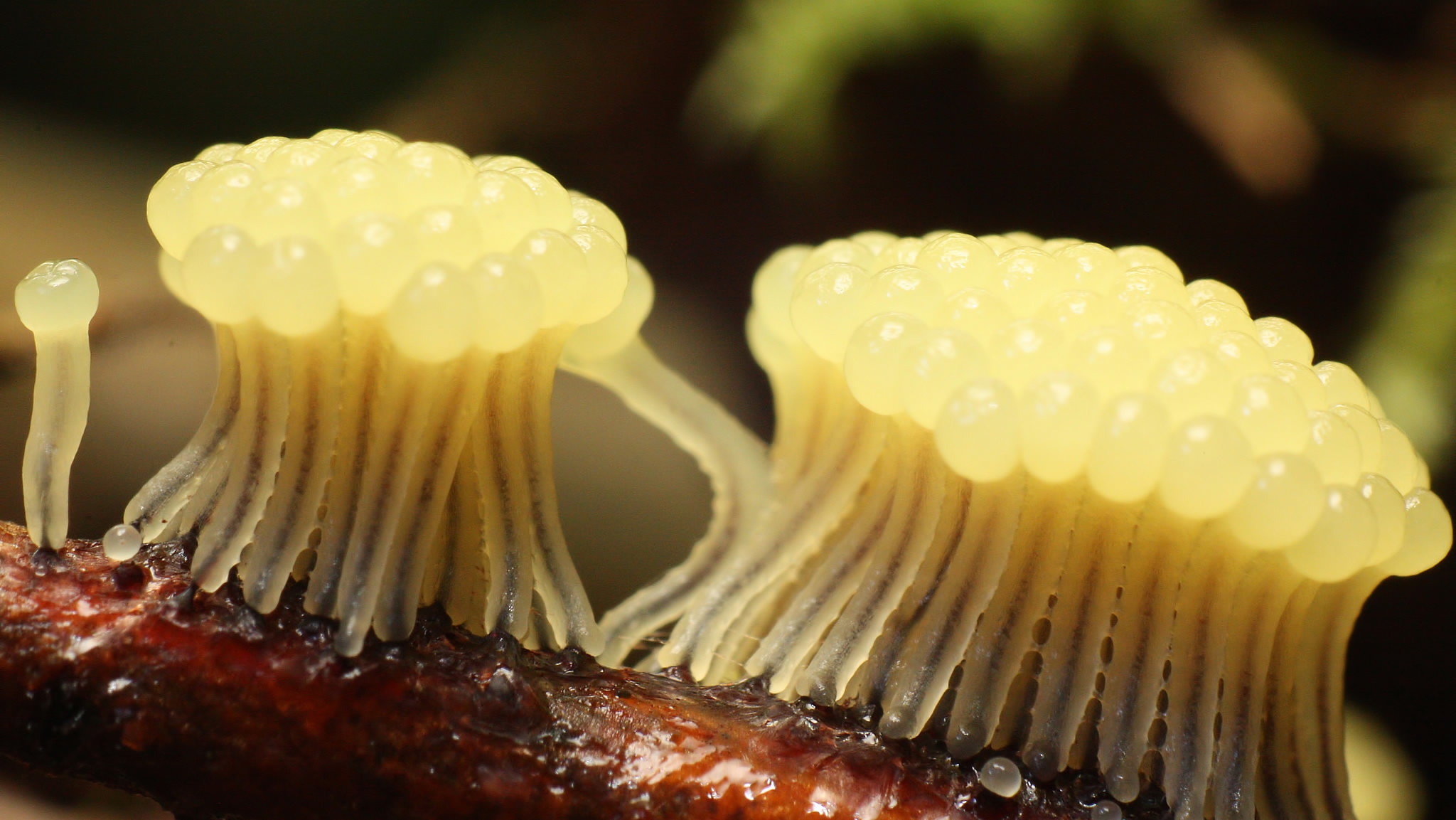
Slime mold /VCG Photo
Slime mold /VCG Photo
The working group also sees the project as being essential for developing new drugs for infectious and inherited diseases as well as creating new biological synthetic fuels, biomaterials, and food sources for growing human population.
The project will likely enable the development of new technologies, such as portable genetic sequencers and instrumented drones that can go out, identify samples in the field, and bring those samples back to the laboratory.
[Cover: VCG Photo]
Source(s): Xinhua News Agency