
Business
15:55, 17-Aug-2018
The renminbi is becoming increasingly popular in Africa
Updated
15:19, 20-Aug-2018
 ["china"]
Share







Copied
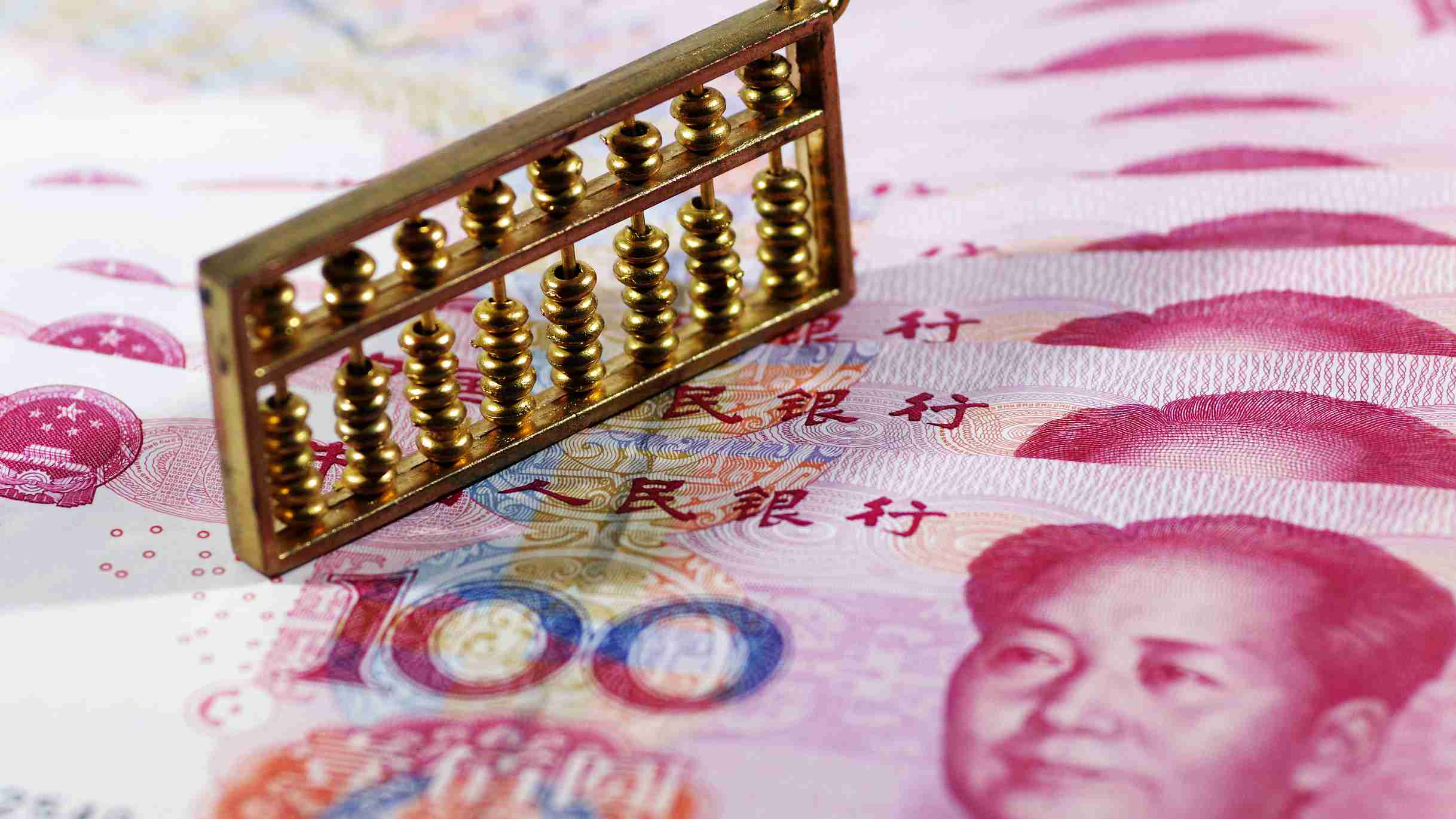
The Chinese renminbi (RMB), also known as the yuan, has become more and more popular as a currency in African countries because of its advantages in facilitating China-Africa trade and investment, optimizing the structure of foreign exchange reserves and stabilizing the financial system.
Officials of central banks and finance ministries from 14 African countries have suggested using the RMB as a reserve currency and expanding its use on the whole continent, said Caleb Fundanga, executive director of the Macro Economic and Financial Management Institute (MEFMI) of Eastern and Southern Africa.
Given China's growing share of the global economy and its status as an important trading partner for countries in the region, it would be beneficial for African countries to use the RMB as a reserve currency, Fundanga said.
It is reported that Rwanda and some other African countries have included the RMB into their foreign exchange reserves. South Africa, Nigeria and others have signed currency swap agreements with China, and Kenya, Zimbabwe and Botswana have shown a strong interest in using the RMB as a reserve or settlement currency.
Doreen Makumi, corporate communications manager at the National Bank of Rwanda, told reporters that given the rapid growth of bilateral trade, Rwanda has had the RMB in its foreign reserves since 2016, which has facilitated plenty of transactions between the two countries.
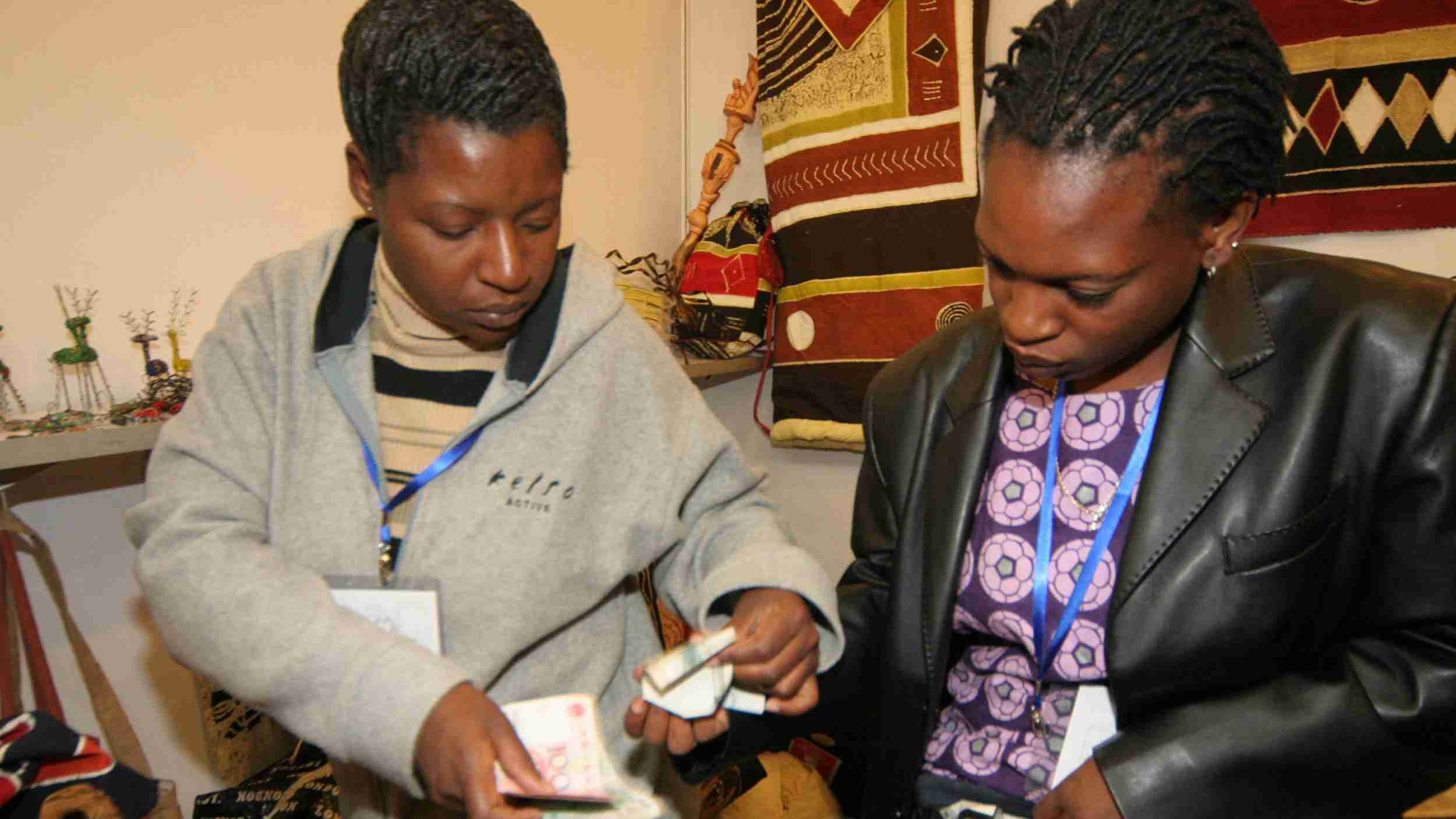
African women do business in Chinese yuan. /VCG Photo
African women do business in Chinese yuan. /VCG Photo
The RMB is conducive to Africa's economy
Adopting the RMB as a reserve currency would increase China's trade cooperation by significantly reducing transaction costs and attracting more Chinese investment, said Charles Siwawa, chief executive officer of the Botswana Chamber of Mines.
Namibian economic analyst Harold Snyders believes the RMB is much more stable and stronger than currencies in the region, such as the South African rand, meaning it could boost Namibia's economy.
The international settlements of African countries has primarily done in US dollar, but African has now much less direct trade with the US, than with China.
The inclusion of the RMB in their "currency baskets" will help reduce transaction costs and improve financial security, said Zhu Yongkai, business manager of the Nairobi office of the Bank of China.
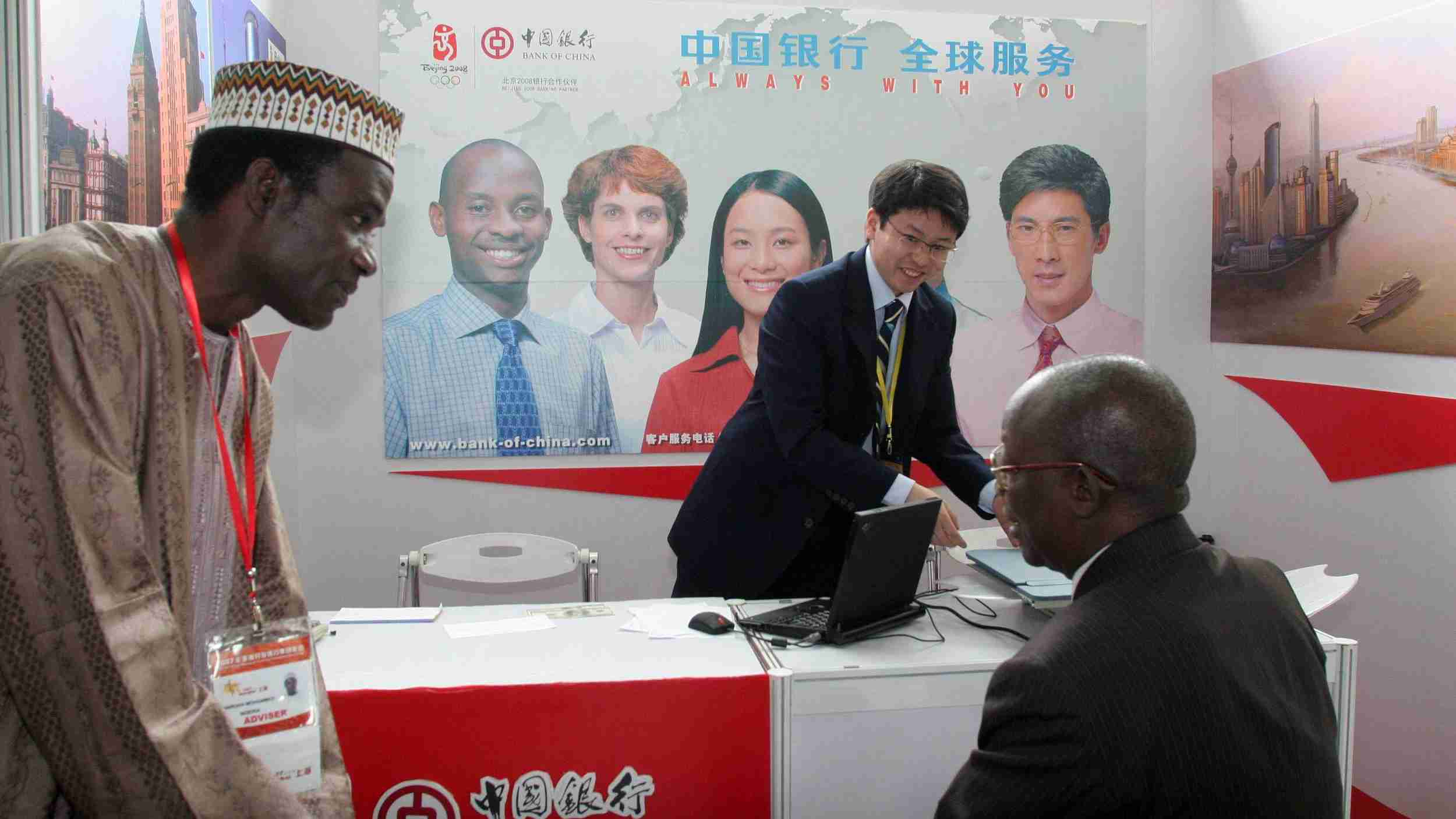
Bank of China provides financial service to African people. /VCG Photo
Bank of China provides financial service to African people. /VCG Photo
RMB's entry into Africa to be increased
Some officials and experts have also said that in most African countries, the RMB has a lot of room for developing as both a reserve and a settlement currency.
They suggested combining African investment with the internationalization of the RMB, so as to accelerate the financial cooperation between China and Africa.
Li Feng, head of the Tanzania office of the Bank of China, believes that the signing of currency swap agreements, the promotion of direct exchange and listed transaction of the RMB, as well as its pricing for bulk commodities will be the directions for future cooperation between China and Africa.
In addition, it is also necessary to speed up the process of having more branches of Chinese banks in Africa, building a network of institutions covering the continent's major regions, and having the RMB more recognized in the market and making its exchange easier, he added.
Source(s): Xinhua News Agency