
Sports
10:39, 01-Jun-2018
IOC calls on top athletes to help shape Rights Charter
 ["other"]
Share







Copied
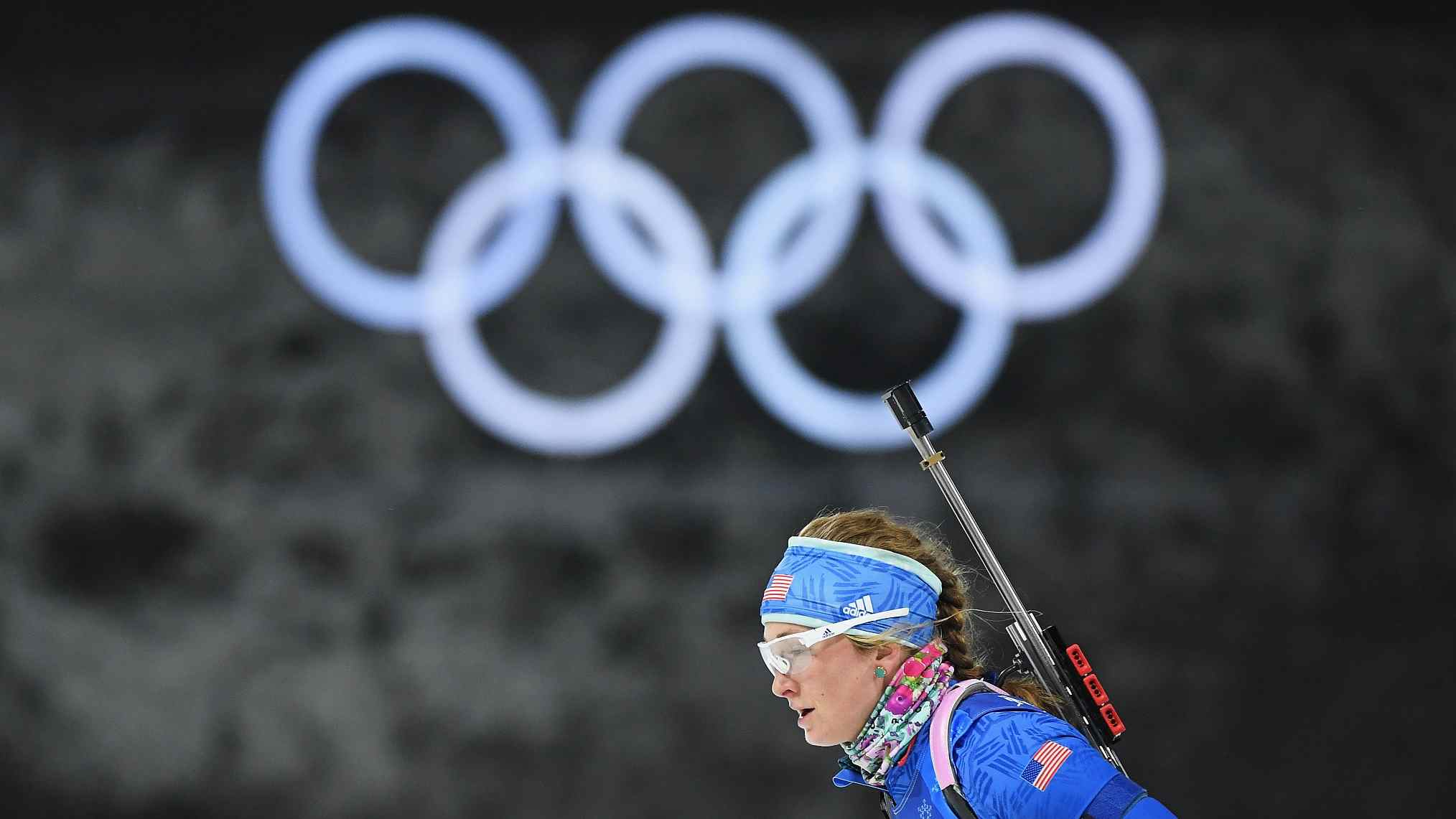
The International Olympic Committee on Thursday called on elite athletes to contribute to the creation of a charter aimed at protecting their rights in a rapidly changing sports environment.
The call comes amid rising opposition by athletes to the way sports are run globally given scandals over corruption, doping and sex abuse in sports including soccer, athletics and gymnastics.
“We want to know what matters to you. You, as athletes, are at the heart of sport, and we want to continue our drive to strengthen support to you,” the IOC said in a statement outlining the draft of the Athlete Charter of Rights and Responsibilities.
The IOC-driven initiative currently focuses on five topics: integrity and clean sport, governance and communication, career and marketing, safeguarding, and sports competition.
VCG Photo
VCG Photo
The IOC has been criticized by athletes for its handling of a Russian doping scandal that involved more than 1,000 athletes across many sports and that tarnished the 2014 Sochi Winter Olympics.
It triggered a ban of Russia from this year’s winter Games in PyeongChang but the nation was reinstated shortly after the end of the Games.
World soccer’s governing body FIFA is also dealing with the fallout of its corruption affair which led to the arrest of several top soccer officials and ongoing investigations and trials in Switzerland, the United States and Germany among others.
VCG Photo
VCG Photo
Athletes from several countries have also demanded a bigger share in revenues from major events, including the Olympic Games, and a relaxing of tight rules during the Games that restrict marketing revenues for athletes.
In an open letter this month, German athletes, led by chair of the German Olympic Sports Confederation (DOSB) Athletes’ Commission Max Hartung, demanded a bigger financial cut from the Games and an end to the IOC Rule 40.3.
The rule restricts athletes’ sponsorship activities during the Games if those companies are not directly linked to the Olympics.
The letter said athletes “participate negligibly in the marketing profits of the IOC, even though they provide their far-reaching image and personality rights.”
Source(s): Reuters