
Business
16:05, 22-Jun-2018
The UK business outlook two years after the Brexit vote
 ["europe"]
Share







Copied

Two years on from the Brexit referendum, the mass exodus of multinationals and financial giants from London has largely failed to materialize, with so much and so little having changed since June 23, 2016.
It was one of the biggest political and financial shocks of the century. Businesses, politicians, the media and the public largely split themselves into two camps – Brexiteers and Remainers, while a sizeable chunk continue to sit in the middle, anxious about staring into the great unknown of post-2019 Britain.
That uncertainty has been particularly dominant for British industry and businesses, with media speculation surrounding job cuts, factory closures and London losing its status as a global financial center to cities like Paris, Dublin and Frankfurt.
Anxiety grows for manufacturing sector over potential ‘no-deal’
Multinationals with manufacturing bases in the UK have all come under pressure to answer the question – should I stay or should I go?
Japanese auto giant Nissan in 2016 said it would continue making cars in northeast England, after receiving assurances of post-Brexit support from Prime Minister Theresa May.
Toyota, Mini and Honda have also pledged to continue manufacturing vehicles in the UK, but the looming specter of a no-deal Brexit and poor economic growth since the referendum continue to haunt the industry – Nissan announced hundreds of job losses in April this year, after sales fell by a third in the first quarter.
On Thursday, Airbus issued a sharp warning to Theresa May via its website that it was “increasingly concerned by the lack of progress on the Brexit process,” going on to threaten that it could pull out of the UK over the “urgent risks to its business” posed by Brexit.
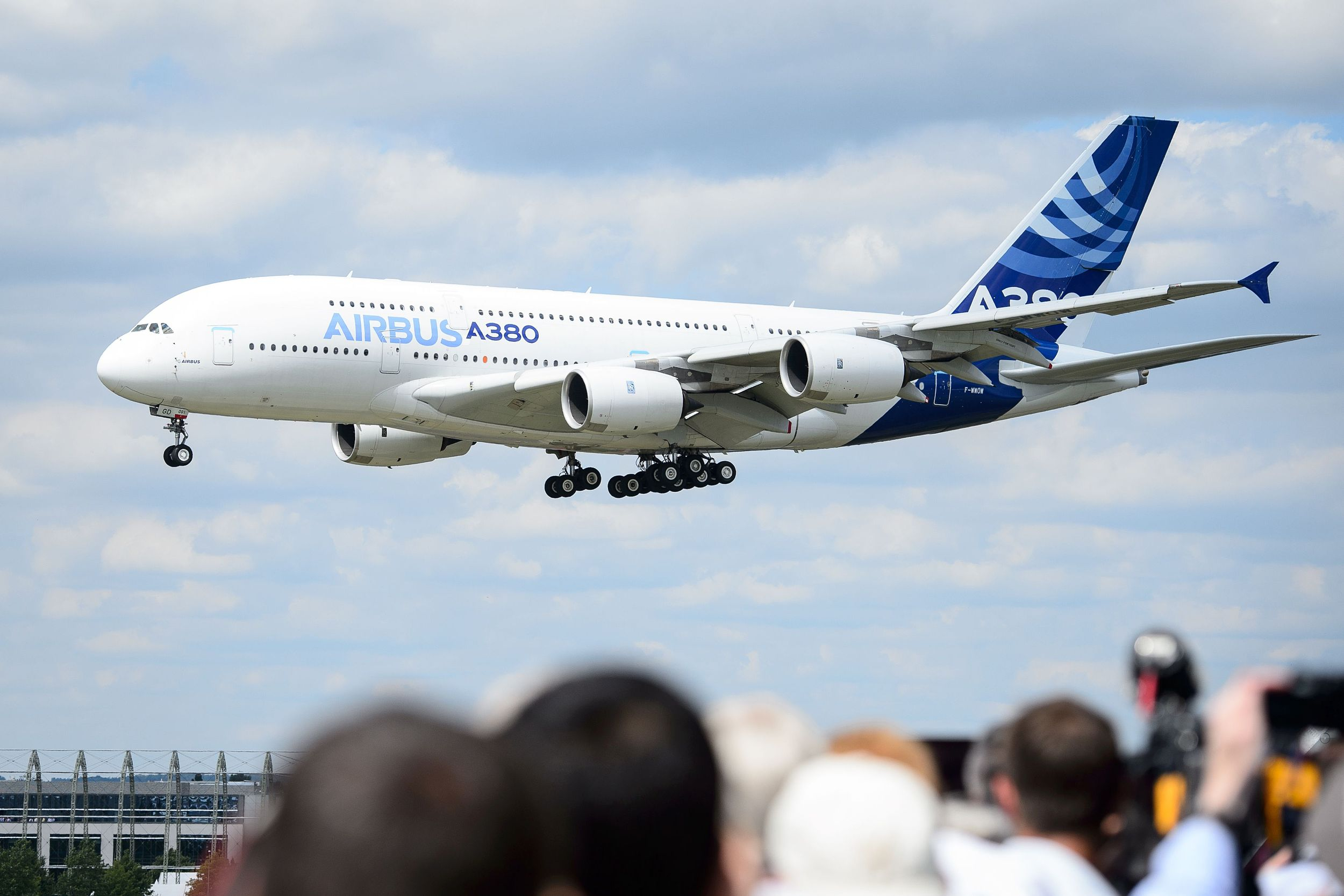
Airbus' threat to pull out of the UK could put thousands of jobs under threat. /VCG Photo
Airbus' threat to pull out of the UK could put thousands of jobs under threat. /VCG Photo
The French aircraft manufacturer employs around 15,000 people in the UK and said it faced losses of one billion euros (1.17 billion US dollars) per week if the UK failed to reach a deal with the European Union.
Financial exodus hasn’t materialized…yet
One of the biggest concerns after the referendum was the fate of the UK’s financial services industry, a sector that employs 1.1 million people and controls 5.3 trillion pounds’ worth (7 trillion US dollars) of financial assets.
Business-friendly French President Emmanuel Macron has looked to lure the likes of Goldman Sachs and Bank of America to relocate to Paris, but fears of a mass exodus haven’t been realized yet.
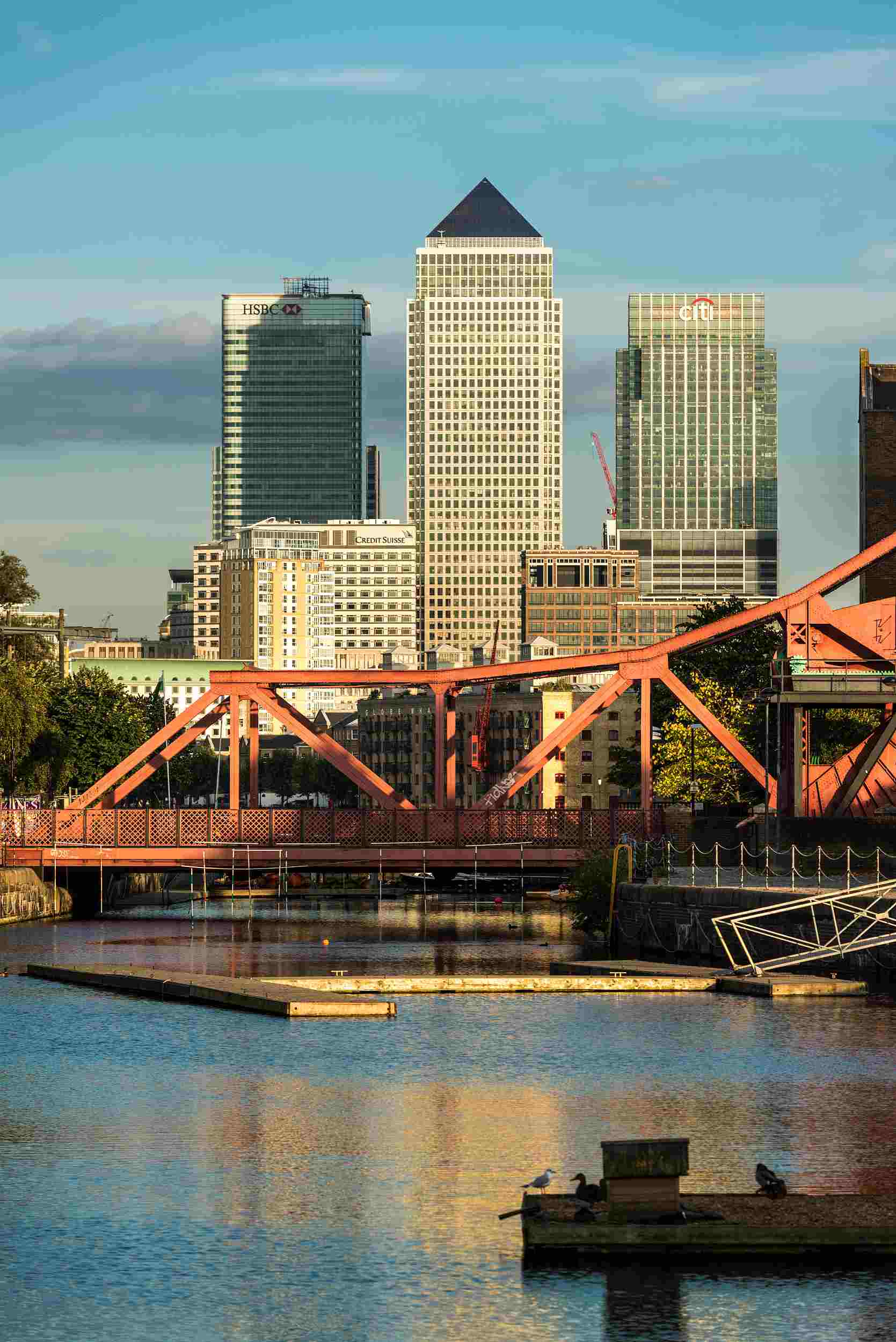
Canary Wharf, London's financial center. /VCG Photo
Canary Wharf, London's financial center. /VCG Photo
With analysts struggling to gauge what Brexit will look like when it finally happens, various estimates have been given for potential job losses in the financial sector.
Reuters in September 2017 conducted a poll of 123 companies and concluded that 10,000 jobs could be transferred from London to other European cities. However, Reuters conducted the same poll just six months later in March and lowered that estimate by half to 5,000 job losses in the UK.
That six-month period saw progress made on talks between London and Brussels, as well as greater assurances from the government towards the financial sector. However, factors like the Northern Ireland border could still throw a spanner in the works and derail talks – a no deal result with the EU could change everything less than a year from now.
Less than a year to go… who is feeling positive?
The UK is set to leave the European Union on March 29, 2019. A transition period has been agreed between that date and December 31, 2020, allowing British businesses to prepare for 2021 and onwards, when the UK will no longer be tied to EU regulations.
Amid all of the uncertainty surrounding Brexit, certain sectors and businesses are positive that the economic environment will improve. Along with official data from the UK’s customs authority published last month, a study by Smith and Williamson suggested 47 percent of small and medium enterprises (SMEs) expect their turnover to grow in the next year, compared to just 10 percent who expect it to fall.
A survey of 700 company directors by the Institute of Directors in March saw business confidence enter positive territory for the first time since the referendum. While the uptick in confidence is a positive, economic data so far this year tells a different story – the economy grew by only 0.1 percent in the first quarter, its weakest increase in five years.