
World
15:16, 23-Jun-2018
Trump's 'zero tolerance' reversal: Reactions and realities
 ["china"]
Share






Copied
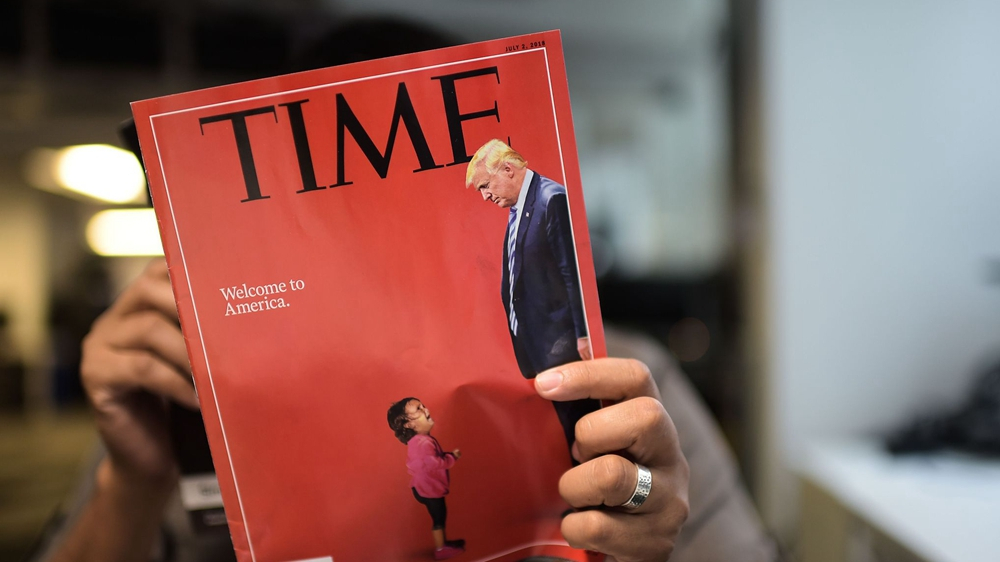
Even after US President Donald Trump signed an executive order reversing his administration's policy of splitting migrant families at the border, the fate of the children already separated from their parents and guardians remain uncertain.
Trump's order on Wednesday came under fierce domestic and international criticism of his "zero tolerance" immigration policy announced in April this year, which saw thousands of children separated from illegal migrant families at the US-Mexico border.
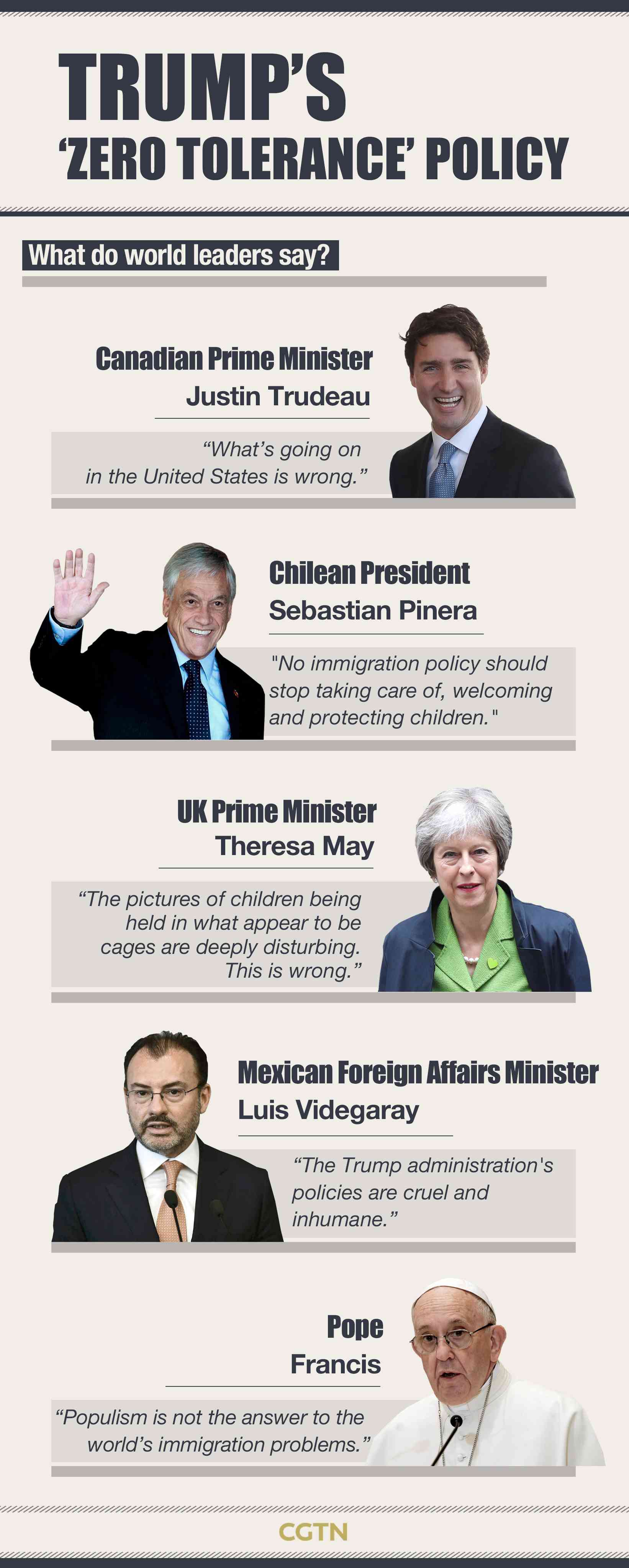
Canadian Prime Minister Justin Trudeau, Chilean President Sebastian Pinera, British Prime Minister Theresa May and Pope Francis were among the key world leaders to slam the insensitive handling of children according to the now-defunct US border policy.
"What's going on in the United States is wrong," Trudeau said. "I can't imagine what the families who are living through this are enduring… this is not the way we do things in Canada," he added.
Pinera was more circumspect. "No immigration policy should stop taking care, welcoming and protecting children. This is a universal principle, a principle that more than anything reflects values," he said.
In the US, there were massive public rallies against the "inhumane" policy, including one from a bipartisan group of American mayors who demanded that the separated children be promptly reunited with their parents.
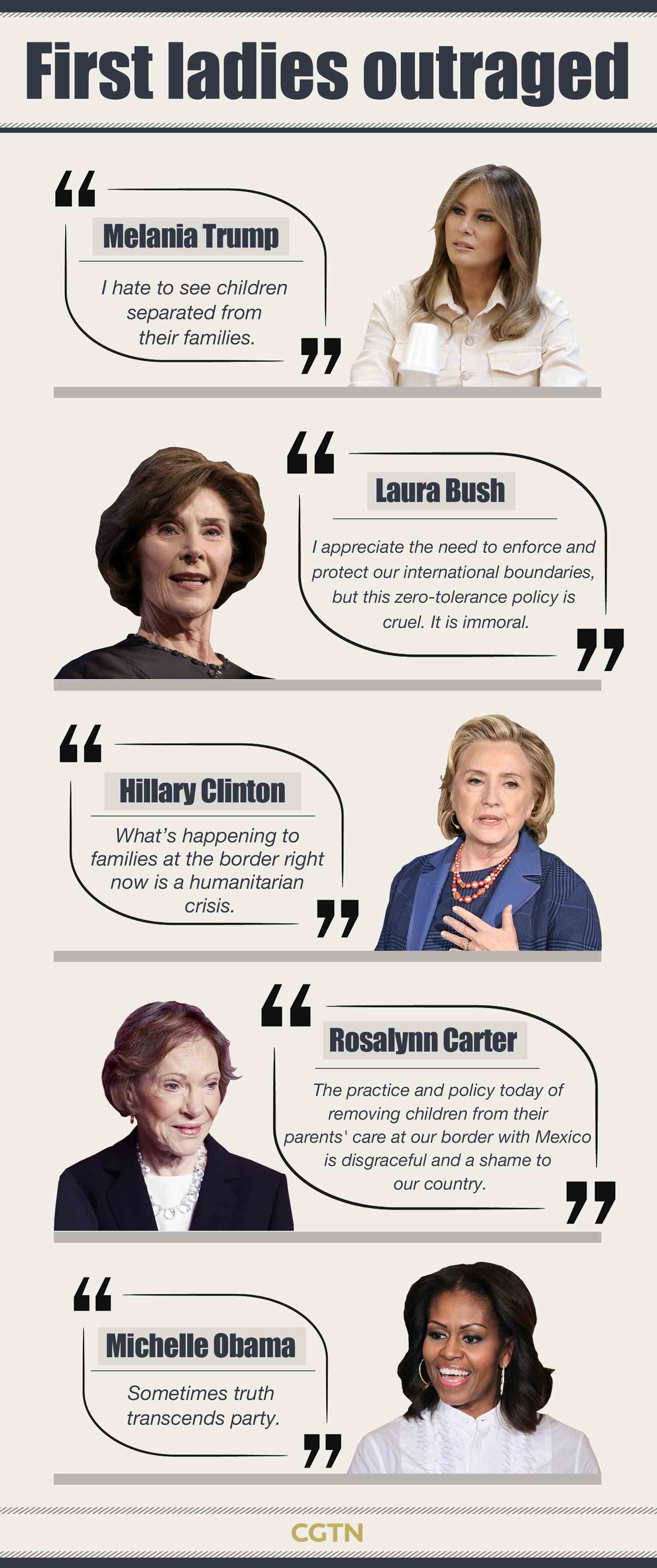
At least five US first ladies lent their voice to the public anger and expressed sympathy for the children. The current First Lady Melania Trump said she hates to see children separated from their families as she visited McAllen, Texas-based facility which is hosting some of these children.
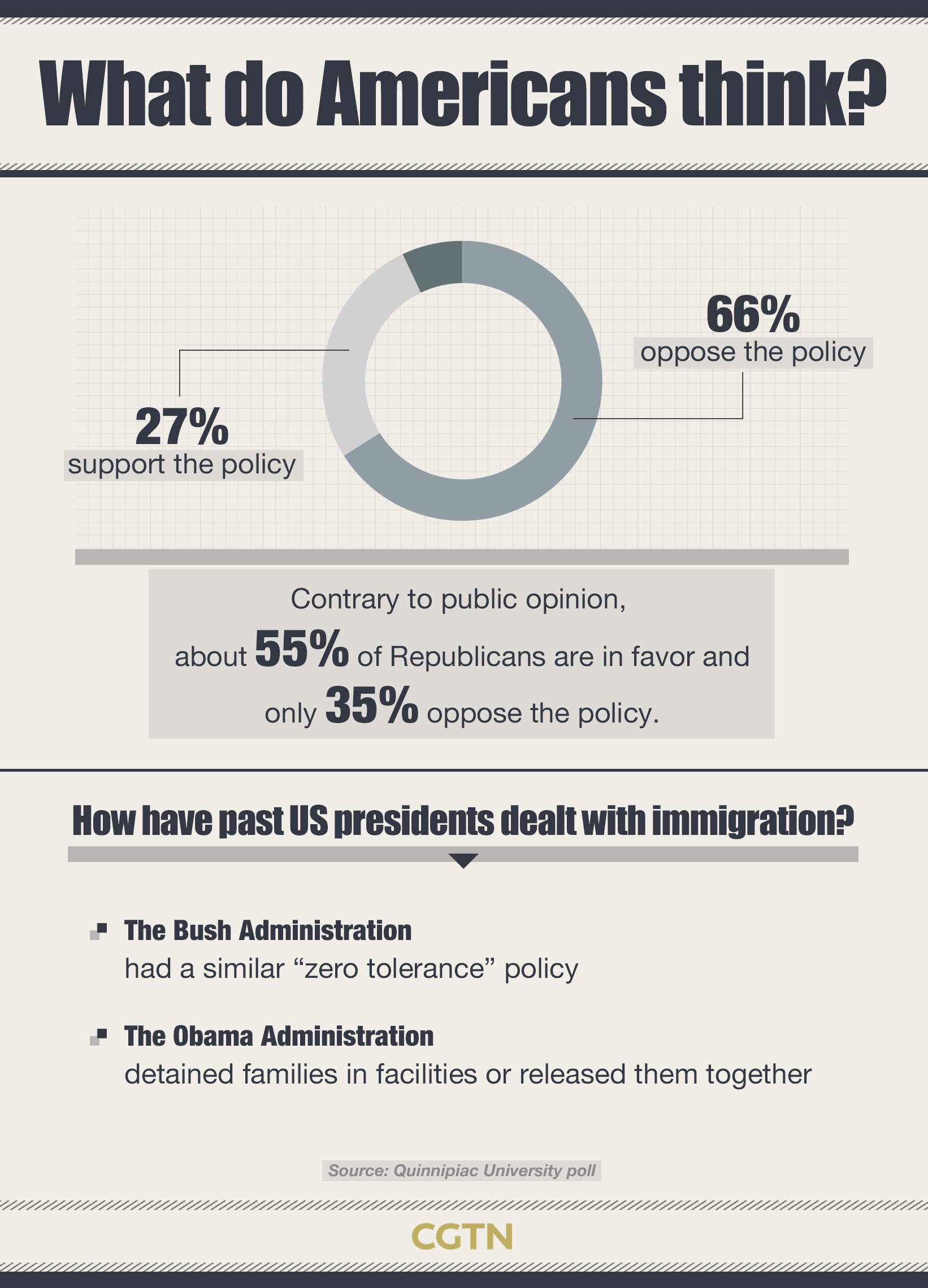
As for the ordinary Americans, 66 percent of them oppose the "zero tolerance" policy, while 27 percent support it, according to a poll conducted by Quinnipiac University Polling Institute. However, the survey showed that there's substantial support for the policy among the Republicans, with about 55 percent in favor while only 35 percent opposing it.
While illegal immigration has always been a hot topic, US presidents have tried different tactics to tackle the menace.
For example, Trump's predecessor Barack Obama, who witnessed 410,000 immigrants moving out of US in 2012, ordered his administration to detain immigrant families in facilities or release them together.
And former President George W. Bush, who adopted a similar "zero-tolerance" policy, allowed families with children to be exempted from persecution.
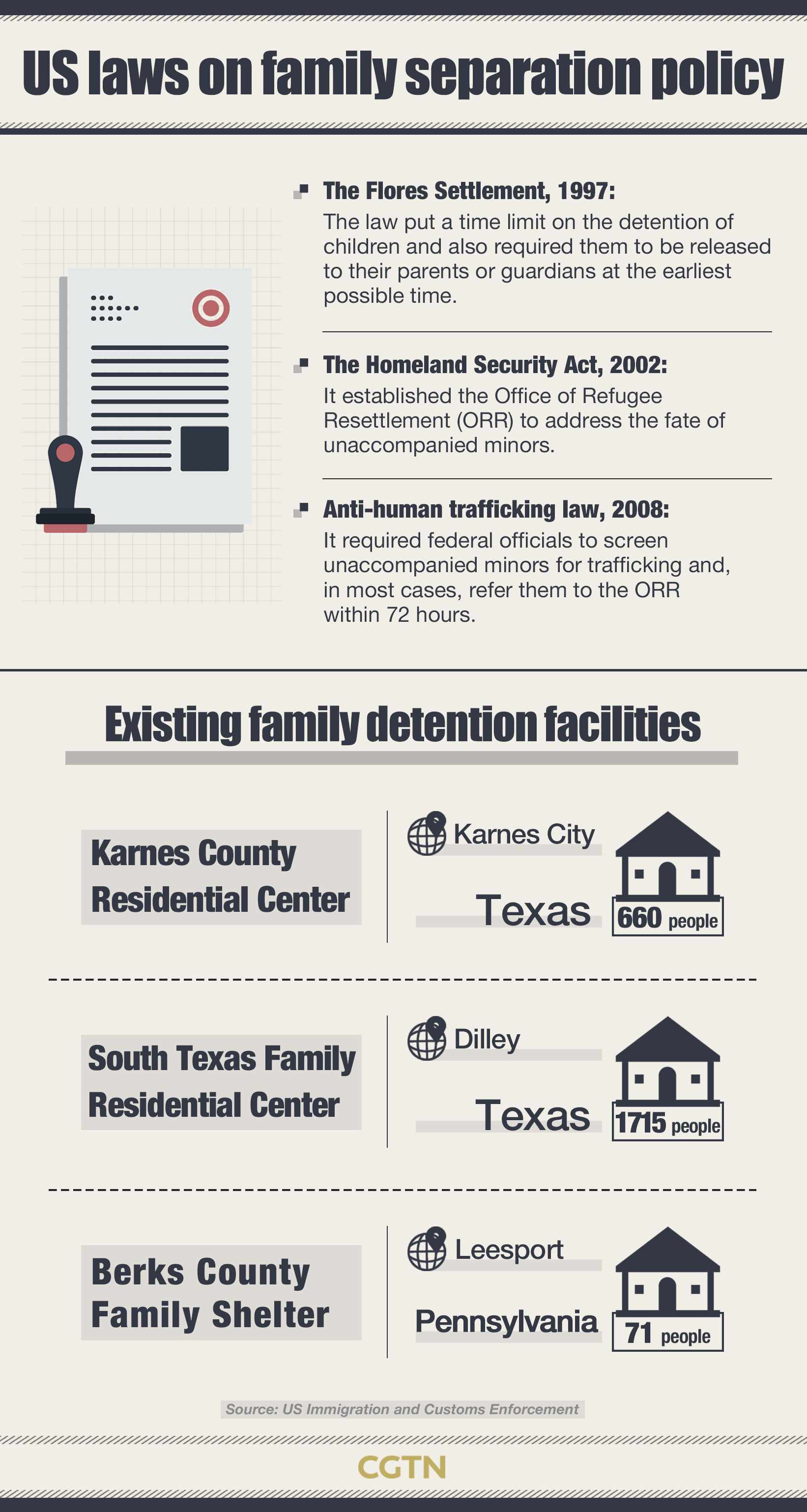
While Trump's administration has cited existing laws for the "zero tolerance" policy, a quick glance at the US laws on family separation policy suggests there are enough checks and balances.
Neither the Flores Settlement in 1997 nor the Homeland Security Act of 2002 systematically split the families at the border, as in accordance with the former, there are limits on how long children can be detained and requirements that the government releases them to parents, guardians, or licensed facilities as quickly as possible.
While Trump's reversal of the policy allows families to be detained together, questions remain about the availability of detention facilities for migrant families.
There are only three temporary family immigration detention facilities in the US as of now with limited capacities. Even these facilities are already 79 percent occupied.
Also, Trump's executive order is not clear about the fate of more than 2,300 children already separated from their families.
Meanwhile, latest reports suggest the US military has been asked to get ready to house up to 20,000 immigrant children.
(Cover: A journalist reads a copy of Time Magazine with a front cover using a combination of pictures showing a crying child taken at the US-Mexico border and a picture of US President Donald Trump looking down, June 22, 2018 in Washington DC. /VCG Photo )