
Business
21:43, 20-Jul-2018
China EconTalk: Service consumption is picking up fast
Updated
21:25, 23-Jul-2018
 ["china"]
Share







Copied
03:27
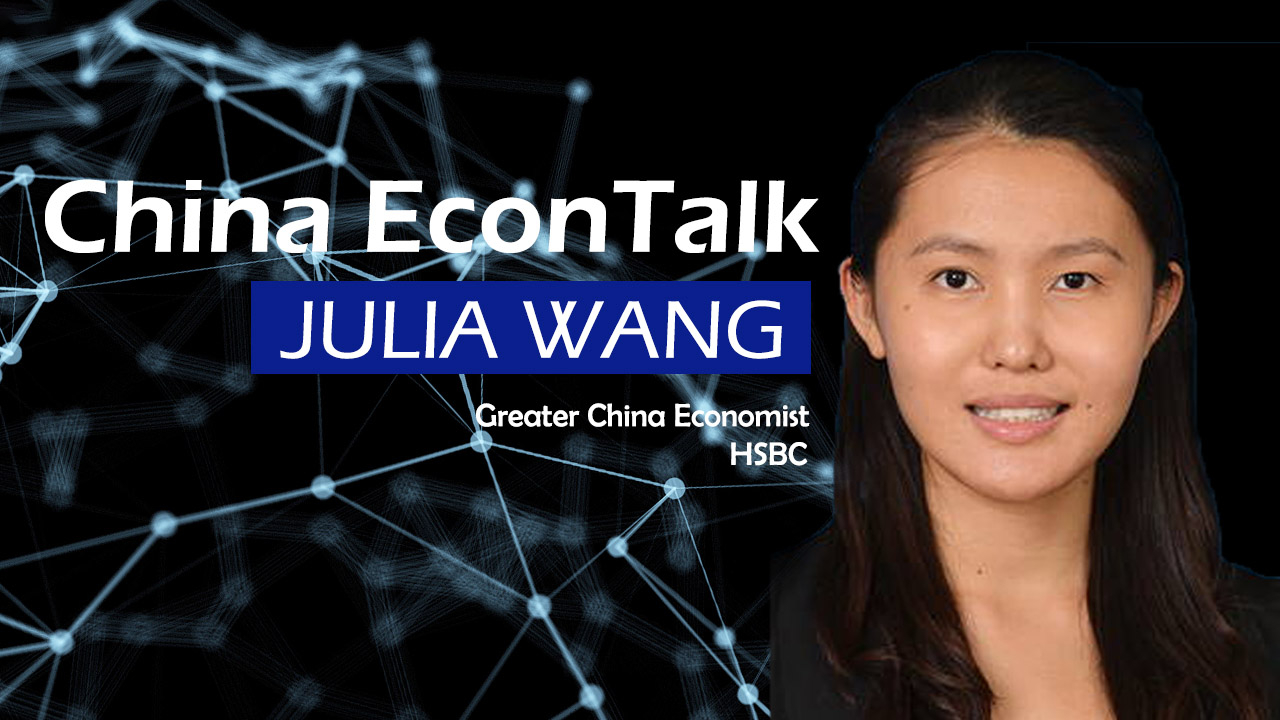
According to China's National Bureau of Statistics, second-quarter GDP growth was 6.7 percent, down from 6.8 percent in the first quarter. However, HSBC’s Greater China economist Julia Wang commented that China’s economic data is actually exceeding expectations and is showing some encouraging signs.
“Household consumption, for example, picked up further in the second quarter, despite the fact retail sales ... slowed but we've seen in a very fast pickup in service consumption, which shows that the consumer sector is rebalancing very quickly into services,” said Wang.
Some are concerned that the Chinese economy will face more challenges in the second half since Beijing is going to have to consider external risks and domestic problems. China is also going to tighten policies and financial regulation since deleveraging and debt risk control are underway. The bond market is tightening credit for corporates when it comes to access to loans.

VCG Photo
VCG Photo
Wang also weighed in on the impact of the tariff conflict between China and the United States.
“It is hard to judge the economic impact through the recent tariffs since there is so much uncertainty not just the timing but the estimating of the impact (on) businesses," she said. "Formulating policy response is quite difficult when you do not know what is coming next. Therefore I think they're adopting the strategy of focusing even more on the domestic economy.”
Wang pointed out that the capital market was under pressure because of the trade tension and domestic policy tightening.