
Business
12:09, 01-May-2018
NEV subsidy cuts hit BYD as profits slump 83 percent
 ["china"]
Share







Copied
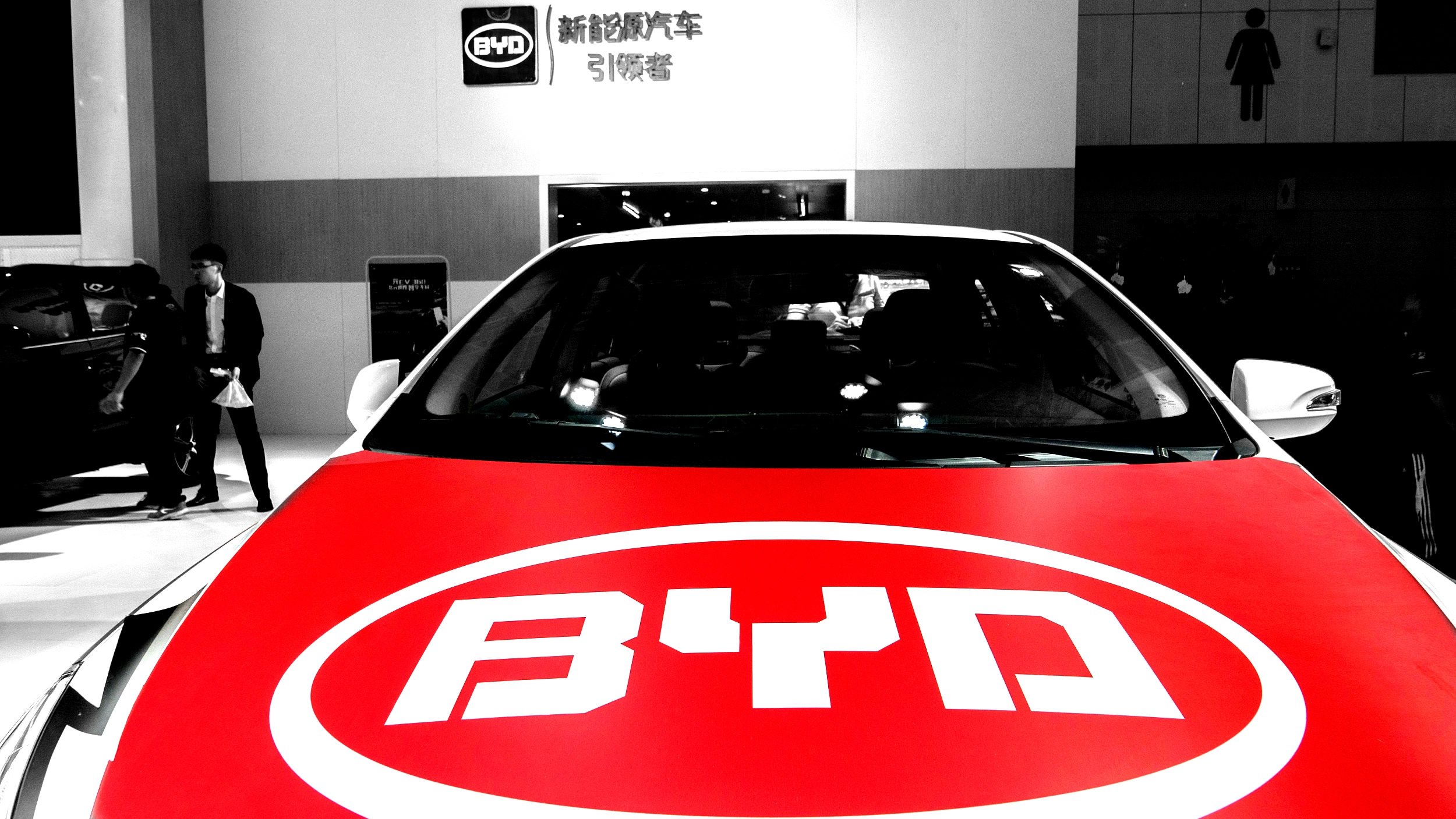
Chinese new energy vehicle (NEV) manufacturer BYD saw its shares slide on Monday, after announcing a collapse in net profit of more than 83 percent in the first quarter of this year.
The company, which was the biggest-selling electric brand in the world last year, has seen cuts in government subsidies hit revenue for its range of vehicles in China, where it sold more than 108,000 cars in 2017.
BYD stocks listed in Hong Kong slumped 6.1 percent, making it the worst performer on the Hang Seng China Enterprises index.
The company also signaled it expects sales to continue to struggle in the short term, estimating that first half net profit will be down year-on-year by between 71 and 82.6 percent.
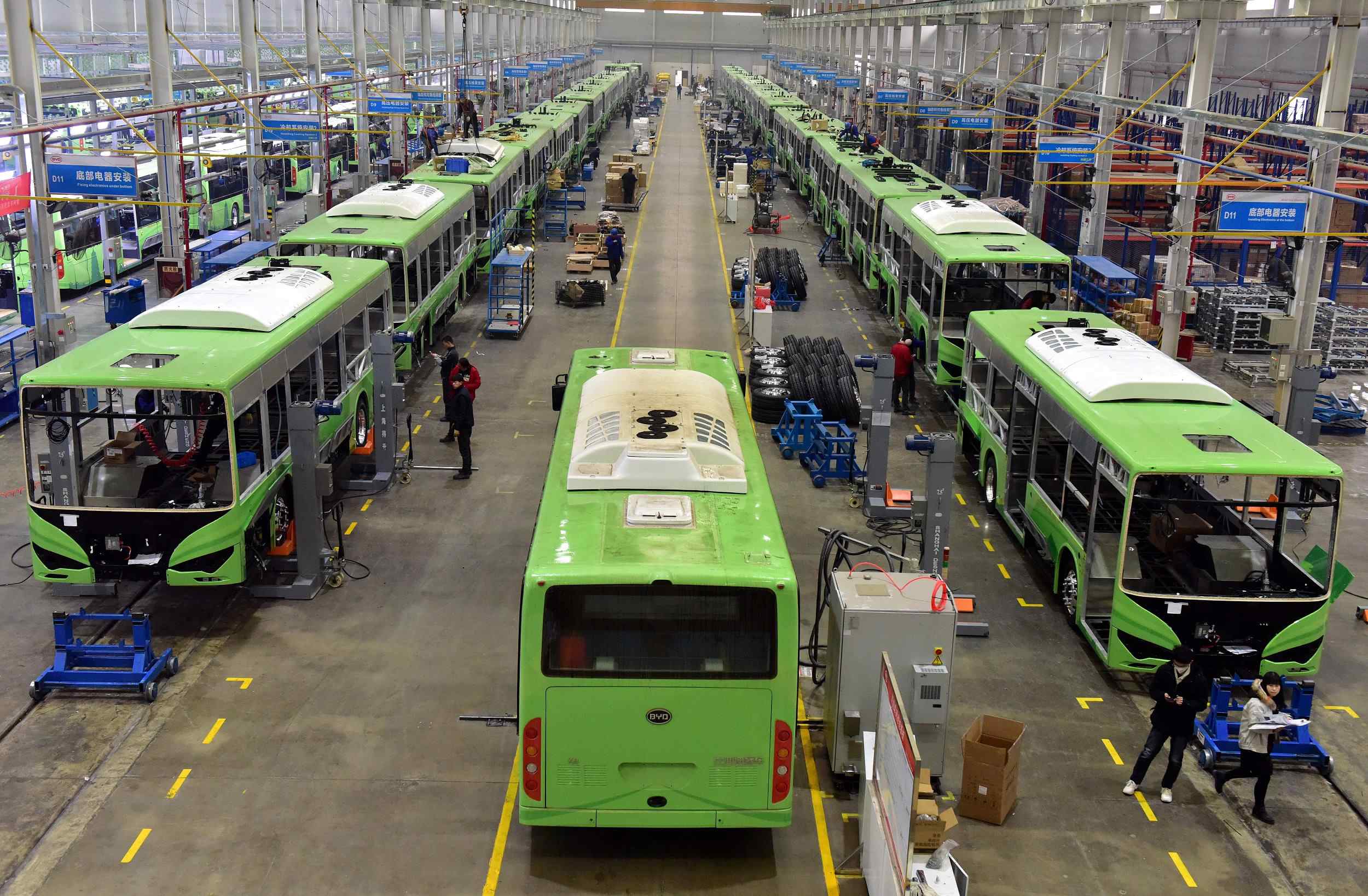
BYD's fleet of electric buses have seen the company spread internationally - the company launched its fourth all-electric bus route in London earlier this year. /VCG Photo
BYD's fleet of electric buses have seen the company spread internationally - the company launched its fourth all-electric bus route in London earlier this year. /VCG Photo
BYD previously warned in late March that it expected a significant drop in revenue, telling Reuters "(as we are) affected by reduction in new energy vehicles (NEVs) subsidies, the profitability of the business, especially for electric buses, has declined substantially so as to bring great pressure to the group’s overall profit.”
BYD has invested heavily in recent years in the NEV sector, with its research and development of electric trucks seeing it ranked second on US business magazine Fast Company’s 2017 Top 10 Most Innovative Companies for Energy.
However, changes to the way China subsidizes the NEV sector announced earlier this year have seen favorable policies for electric trucks and low-range NEVs removed. A statement from the Chinese Ministry of Finance in February confirmed that new NEVs would now need a range of at least 150 kilometers to qualify for subsidies.
According to China Daily, NEVs with a range of between 100 and 150 kilometers could previously benefit from subsidies of 20,000 yuan (3,025 US dollars).
The cut in financial support was seen as a way of promoting greater innovation in the NEV sector, with higher subsidies of 50,000 yuan (7,900 US dollars) made available to vehicles with ranges above 400 kilometers.
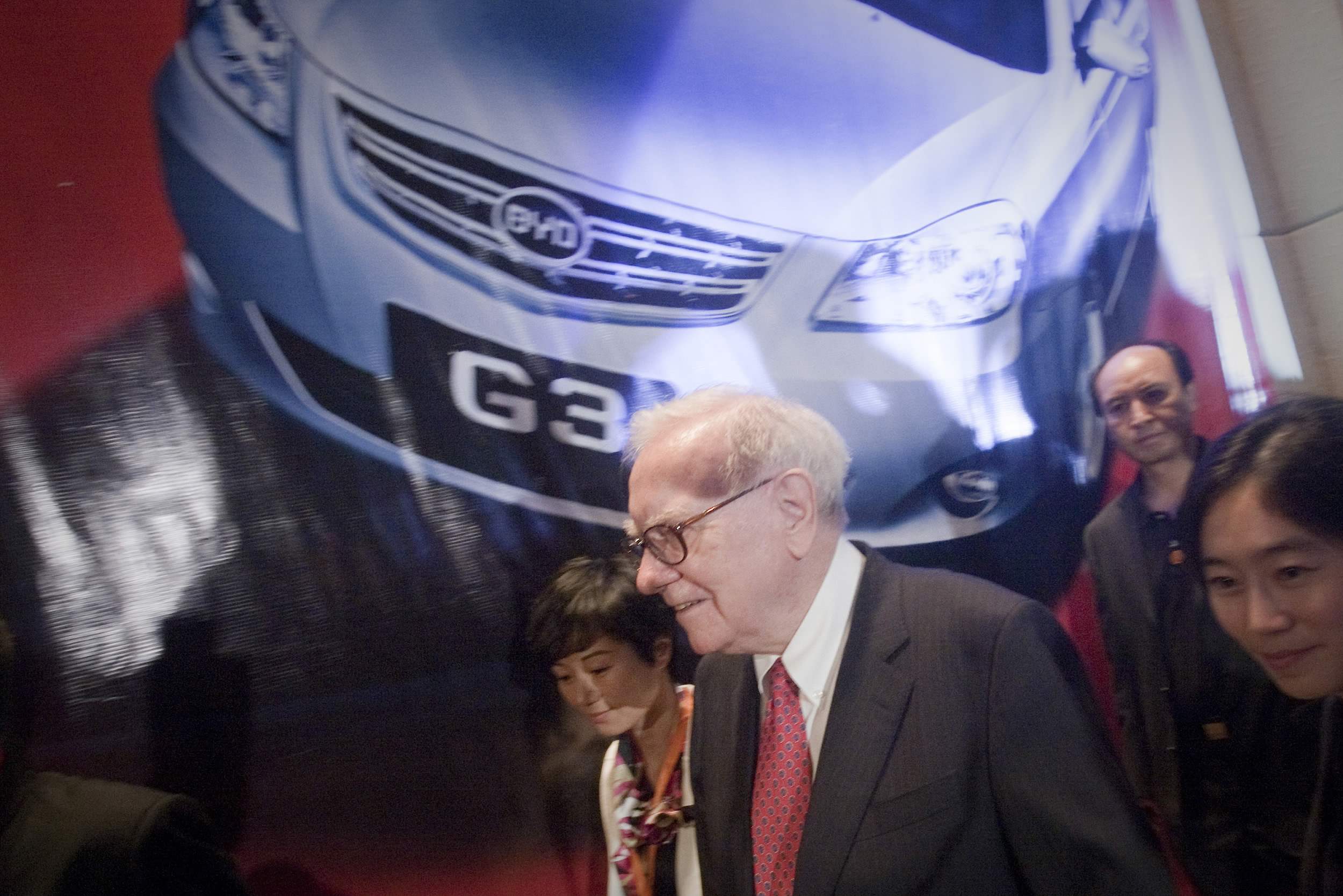
Billionaire investor Warren Buffett was one of the earliest backers of BYD, with Berkshire Hathaway pumping 230 million US dollars into the company in 2008. /VCG Photo
Billionaire investor Warren Buffett was one of the earliest backers of BYD, with Berkshire Hathaway pumping 230 million US dollars into the company in 2008. /VCG Photo
BYD has previously announced it is working on a new range of vehicles capable of longer ranges than previous models, with three new cars capable of ranges over 400 kilometers planned for the first half of this year. Analysts quoted by Reuters have estimated that profits at BYD will pick up by as much as 50 percent later in 2018.
The changes to the way the NEV sector is subsidized will also help to consolidate the industry, with Wu Zhixin, vice-president of the China Automotive Technology & Research Center, telling China Daily that small and uncompetitive players in the industry will be pushed out.
Although the subsidy cuts will likely see higher prices for consumers, overall NEV sales are expected to still increase by 40 percent in 2018, with the China Association of Automobile Manufacturers anticipating more than one million NEVs to be sold this year, up from 777,000 in 2017.
The big drop in net profit for BYD will serve as a warning to other domestic car companies to prepare for significant changes in the NEV industry over the next five years. Subsidies will be completely scrapped by central authorities by 2020, after costing an estimated 83 billion yuan (13.1 billion US dollars) in 2017, according to China Daily.
Meanwhile, competition from overseas manufacturers will step up a gear, with the 50 percent equity cap on foreign ownership of NEV joint-ventures set to be abolished by the end of this year. Further reform will see a removal of all foreign ownership caps on commercial and passenger vehicles by 2020 and 2022 respectively.
(Top image: A BYD vehicle on display at the 2018 Beijing Auto Show./VCG Photo)