
Business
20:41, 01-Aug-2018
Mixed feeling toward Trump’s aid
Updated
19:53, 04-Aug-2018
 ["north america"]
Share







Copied
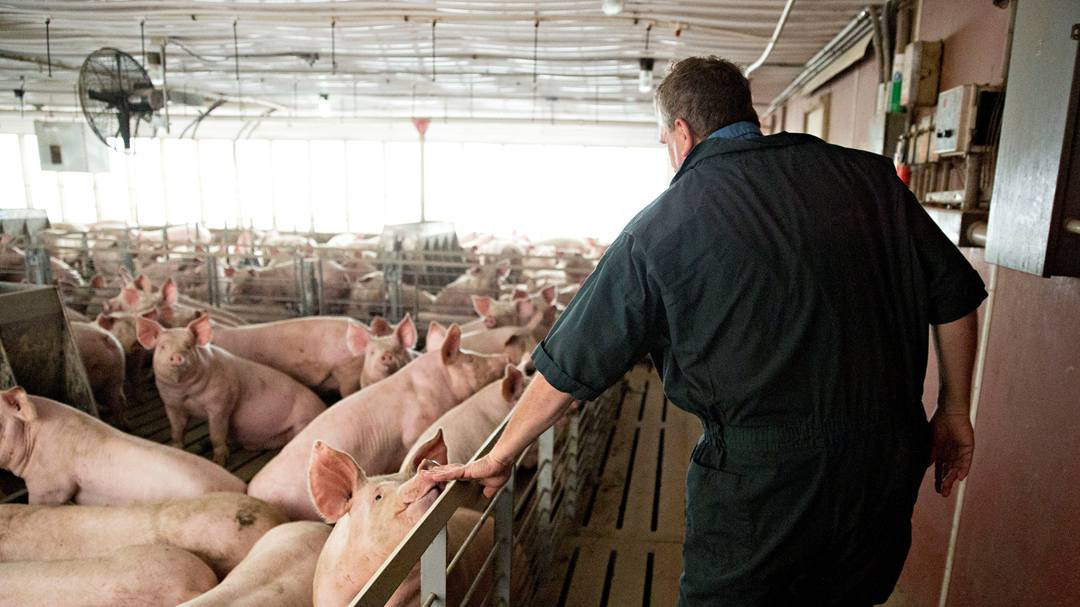
Pork farmers are struggling with low prices, and worry that the trade war with China could further push them lower.
That’s why US President Donald Trump announced a 12-billion-US-dollar bailout for the country's farmers. It’s been well-received by farmers like Steve Baker, owner of Baker Farm in Virginia’s Shenandoah Valley.
“Maybe that will help them over the hump or something until better days ahead,” he says.
Baker’s farm produces pork products, from Boston butts to Hillbilly bacon. His family has been farming the same land for 250 years. But now he’s feeling the effect of the trade war between the US and China. The local market is too small to export. If exporters can’t send their pork to China, they’ll have to sell it back home, pushing prices down.
It’s a sign of the knock-on effect a trade war can have, hitting even those not exporting to China.
US Agriculture Secretary Sonny Perdue told Reuters that Trump’s plan would include around eight billion US dollars in direct cash relief. It’s intended only for the 2018 crop. The farmers can apply for help at the beginning of September, with money going out in October. He conceded the plan wouldn’t cover all the losses.
Some in the Republican Party, which in the past championed free trade, have ventured rare criticism of the president.
One senator said the approach is becoming more and more like a “Soviet-style economy.”
Others wondered whether the US taxpayer will need to bail out other industries involved in the trade war.
At the farm in the Shenandoah Valley, Baker still supports the president. Here Trump won 70% of the vote in 2016.
But if this trade war isn’t resolved soon, will the farmers be able to hold out?