
Business
16:37, 22-May-2018
Argentina’s economic turbulence worries countries in Latin America
 ["other","Argentina"]
Share







Copied
02:14
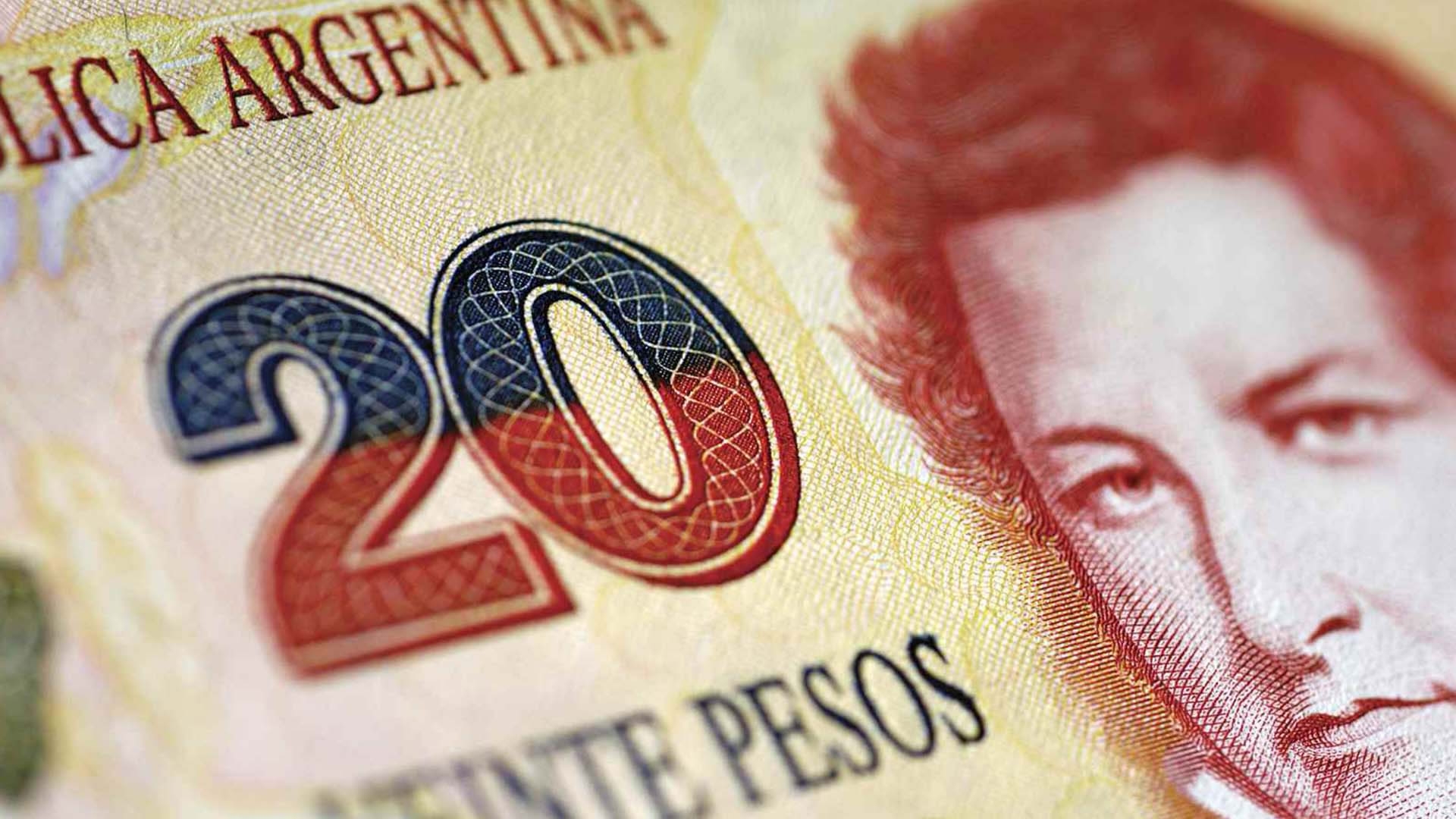
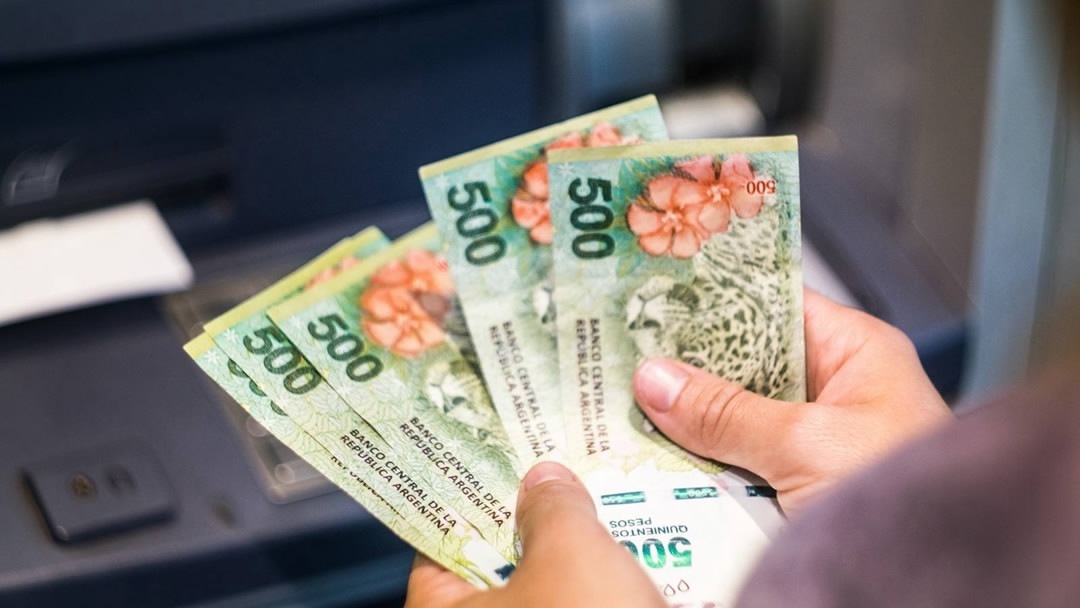
Argentina’s economy is struggling in the face of a falling peso and rising inflation, which worries Argentines and neighbor countries in Latin America.
Official figures show the annual inflation rate is running at more than 25 percent. Argentina is facing slower growth after the Peso dropped to an all-time low earlier this month.
For many Argentines, economic uncertainty conjures up painful memories of the 2001 economic crash, when Argentina defaulted on its foreign debt.
Walter Mastronunzio, a shop owner in downtown Buenos Aires, says that “sales are completely frozen. We have been through this many times, Argentina goes through the same thing very often.” Mastronunzio hopes the coming World Cup in Russia will give his business a boost.
VCG Photo
VCG Photo
Meanwhile, the worse economic performance has raised concerns not only among Argentines, but also neighbor countries. Pablo Schiaffino from Torcuato Di Tella University believes with slower growth in Argentina, other Latin American countries will be affected.
“When Argentine economy goes up, then that’s good news for Chile, Brazil, Uruguay, Paraguay - the economic neighbors. There is a strong correlation between our cycle and theirs. [But] The growth rate of our economy is going to slow down so for Brazil, and in particular for Uruguay, this is very bad news,” Schiaffino explained.
The Argentine government is seeking financial aid from the International Monetary Fund (IMF) to prevent a collapse in its currency. Schiaffino says the government was right to go to the IMF, but the decision carries a political cost.
And President Mauricio Macri thinks that the worst is over, by saying “We consider the turbulence over the exchange rate as having been overcome, but we consider it important to recognize the moment of nervousness that various sectors of the population experienced.”