
Analysis
16:16, 03-May-2019
Middle East fights energy, geopolitical dark clouds
Updated
22:17, 04-May-2019
 ["other","Middle East"]
Share







Copied
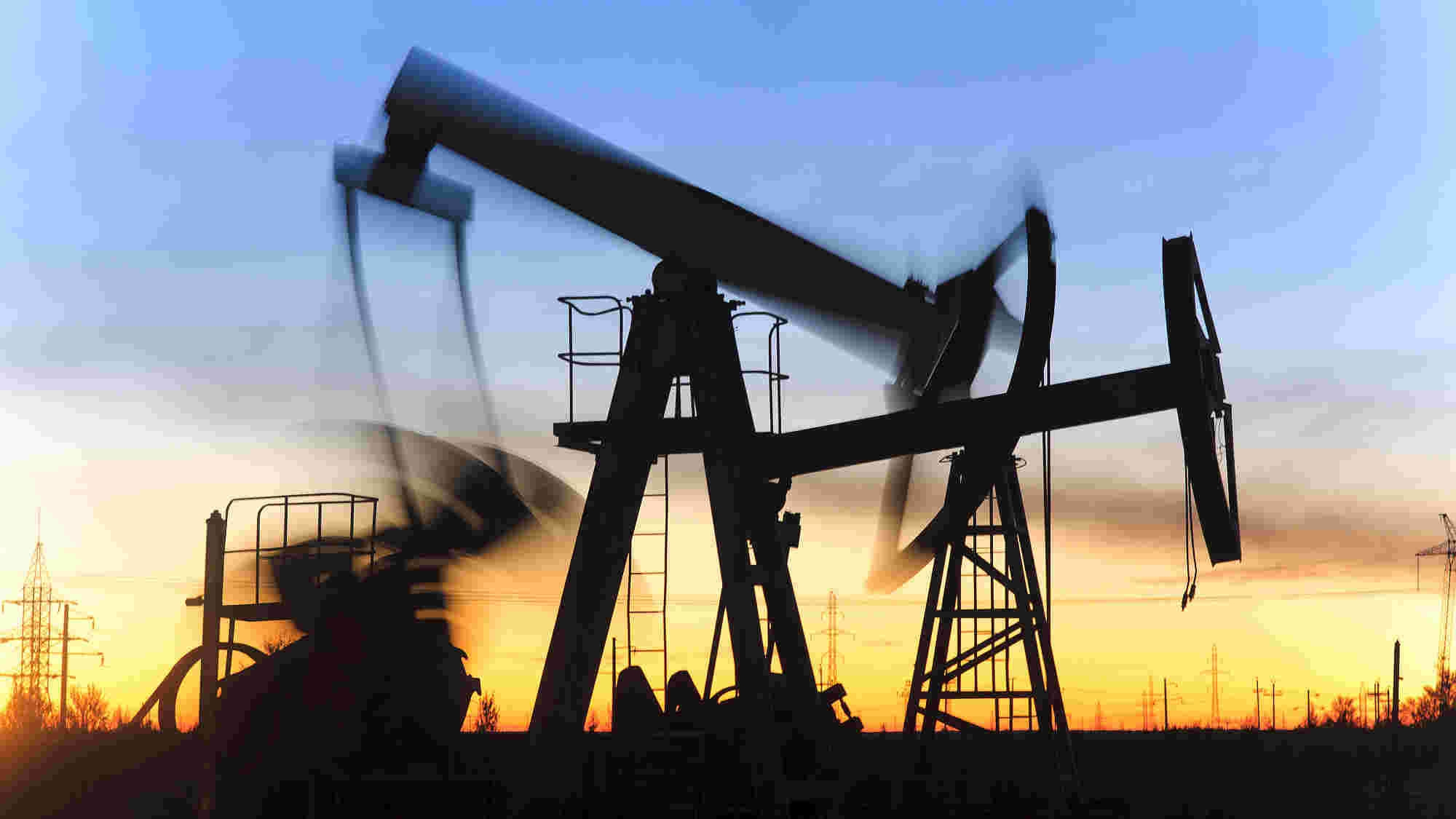
The first days of May have provided a stark example of the type of oil price volatility that has helped dampen economic prospects for the Middle East this year.
Prices dropped on Wednesday and Thursday on news of galloping American output and the descent continued on Friday on the added anticipation of production increases from the Organization of the Petroleum Exporting Countries (OPEC).
They had actually risen steadily since the start of the year, as the organization and its partners (OPEC+) reduced output, which also dropped in Venezuela and Iran amid sustained robust U.S. shale production.
In its most recent economic forecast, the International Monetary Fund (IMF) said that overall growth in the Middle East – which it groups with North Africa, Afghanistan and Pakistan – is expected to decline from two percent last year to 1.5 percent in 2019.
"One key development that will shape the region's economic outlook is oil price volatility, which recently reached levels not seen since the shocks of 2014-15," the fund says.
"This trend may continue amid uncertainties around global trade tensions, Iran sanctions and the OPEC+ production strategy. Other risks to the region include geopolitical risks, security concerns, and uncertainty surrounding global financial conditions."
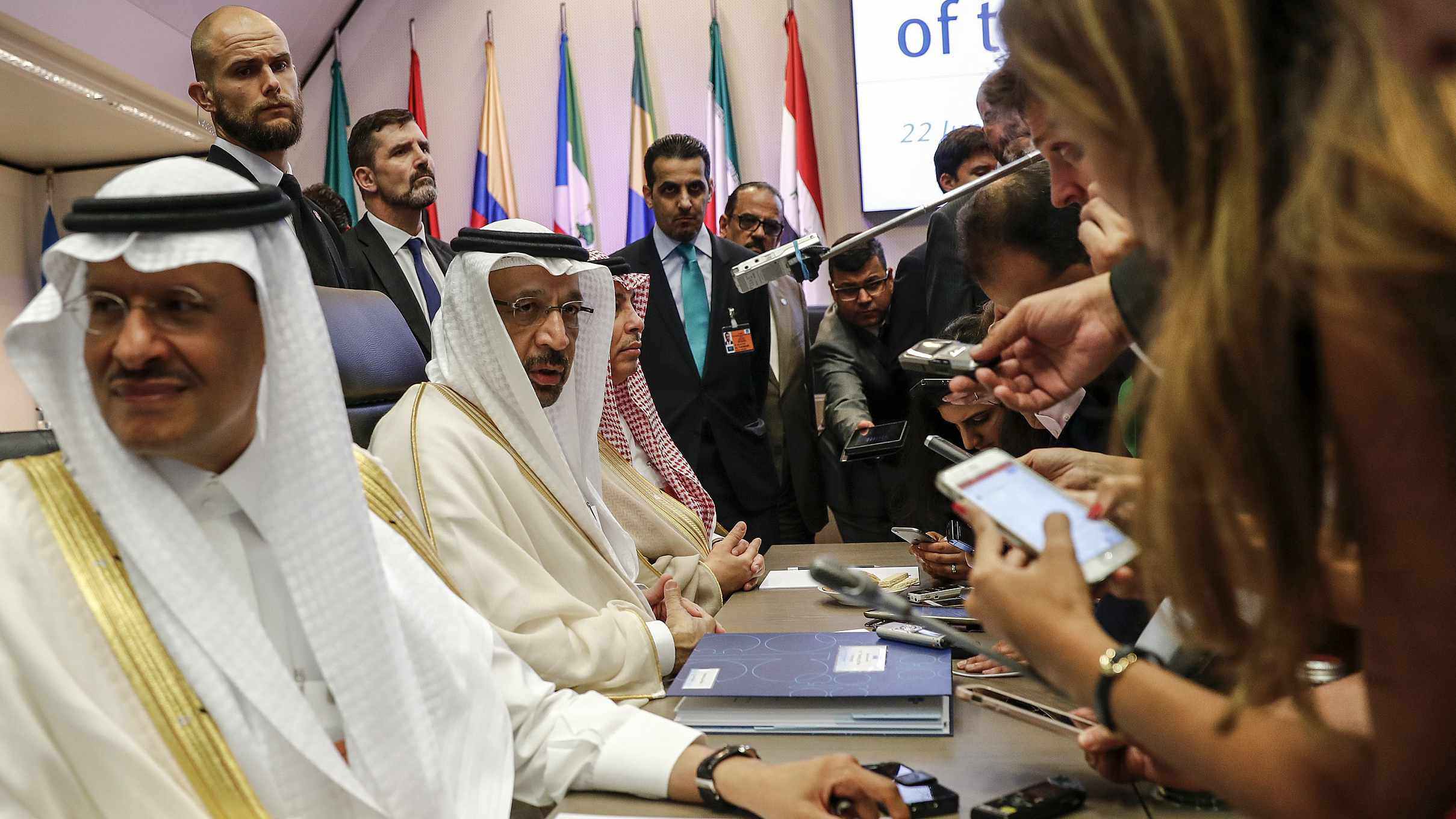
Oil ministers of OPEC and its oil-producing partners are due to meet in June to discuss production targets. /Xinhua Photo
Oil ministers of OPEC and its oil-producing partners are due to meet in June to discuss production targets. /Xinhua Photo
Some recent and pending policy decisions add to the uncertainty.
OPEC is due to hold a meeting in June to decide on production cuts and the impact of April's removal of waivers to the U.S. sanctions on OPEC member Iran, even though there is an expectation that countries will try to find a way around the embargo.
Next month's meeting was postponed from April to allow the producers to assess how the sanctions, not only on Iran but Venezuela as well, have been affecting the oil market.
The U.S. reimposed sanctions last November on exports of Iranian oil after President Donald Trump unilaterally pulled out of a nuclear accord struck in 2015 between Iran and world powers. The waivers that Washington granted to eight countries allowing them to continue purchasing Iranian crude for an additional six months have now ended.
Everywhere you look around the Middle East, there appear to be downsides.
"The outlook for the region is weighed down by multiple factors," the IMF says, "including slower oil GDP growth in Saudi Arabia, ... U.S. sanctions in Iran, and civil tensions and conflict across several other economies – including Iraq, Syria, and Yemen – where recovery from the collapse associated with the war is now expected to be slower than previously anticipated."
Over-reliance on oil
High debt also stalks some nations.
While Iran is expected to contract sharply, the World Bank sees Egypt as a bright spot. It anticipates that the nation linking northeast Africa with the Middle East will be one of the top performers among oil importers, with a growth rate forecast at 5.5 percent for 2019, the strongest since 2008. It has been driven by rising natural gas production, revitalized tourism and higher government investment spending.
The diminished economic performance in the region has led to the revival of calls for oil exporters to reduce their over-dependence on the commodity.
Noting medium-term price projections of oil are predicted to remain around 65 U.S. dollars, Jihad Azour, the IMF's director for the Middle East and Central Asia, told reporters: "Therefore it's very important for countries to pursue and accelerate their diversification strategies and at the same time, maintain their pace of fiscal adjustment that will allow them to reduce their dependence, in terms of revenues on oil."
The fund has recently called more urgency in pursuing economic reforms that lead to private-sector-led expansion.
"This means fostering an inclusive growth environment that can attract investment – an area where both oil exporters and importers have long trailed their peers – create jobs, and drive innovation," it says.
But expectations among the business sector are not great.
“The private sector across the region, frankly, is still, sentiment-wise, not feeling too positive,” Deutsche Bank's Middle East and Africa CEO Jamal Al Kishi told CNBC during the World Economic Forum on the Middle East and North Africa in Amman, Jordan in April.
“If I speak to players in the private sector, they're looking for the cash – if I wanted to put it in a crass way – they are looking forward to a day when the governments in the region are actually spending money and paying for projects, tenders, other initiatives. What is most needed at this stage is a stimulus of some sort and a catalyst for change in the sentiment."
When you add the slowing global economy and international trade tensions to the mix, countries in the Middle East and North Africa face a gigantic task in creating higher growth that will result in more jobs for their young populations.