
Travel
16:36, 13-Oct-2018
Dubai airport embraces a new era of biometric technology
Updated
16:29, 16-Oct-2018
 ["china"]
Share







Copied
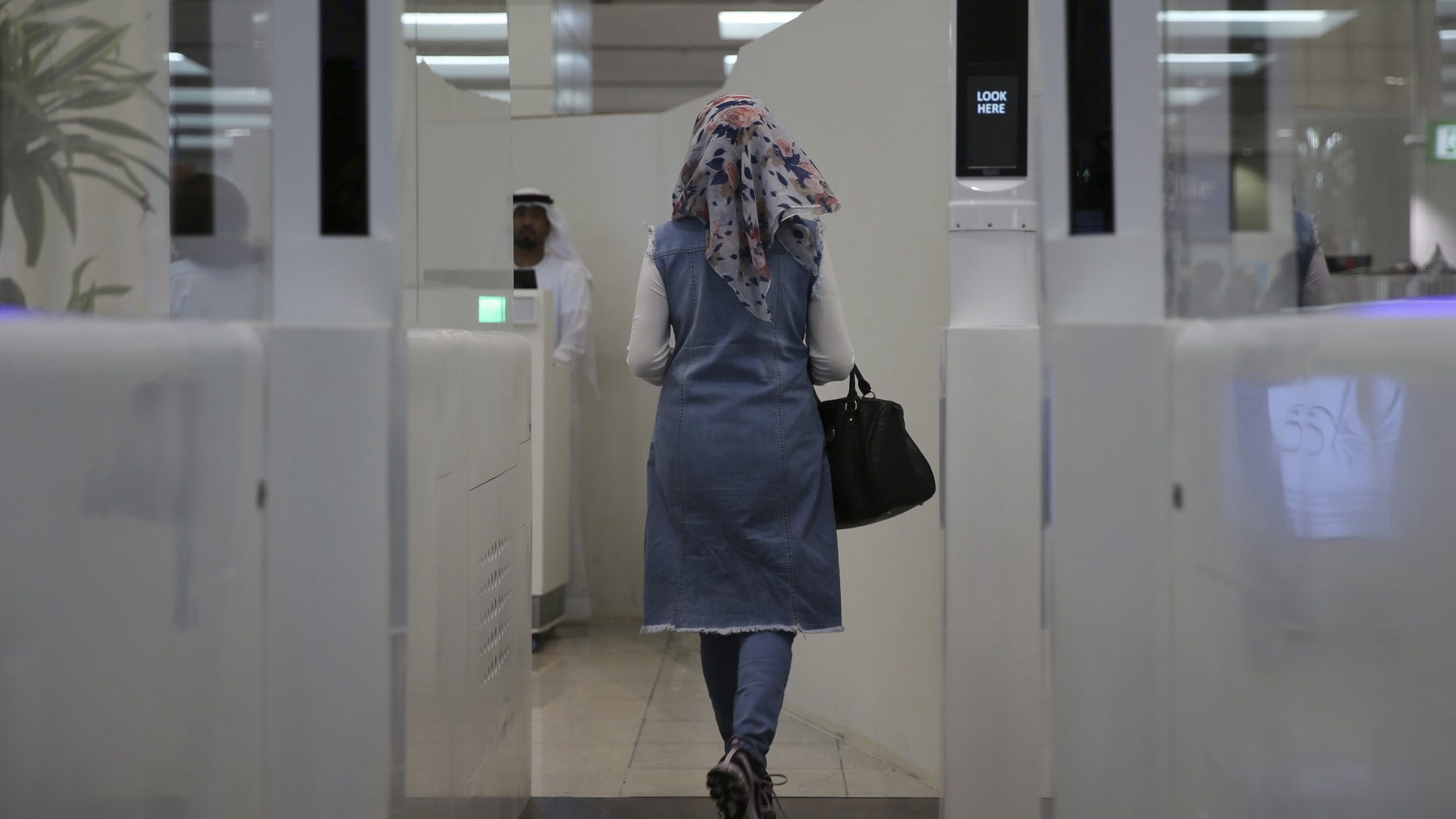
A new era has come for passengers at the Dubai International Airport as the security check now uses biometric technology. The "smart tunnel" was introduced to replace human checks and allows some air travelers to complete passport control in just 15 seconds.
Passengers register at a kiosk before going through smart gates which open with iris recognition. For now, only business- and first-class passengers can use the new facilities.
Maj. Gen. Mohammed Ahmed al-Marri, director-general at the General Directorate of Residency and Foreign Affairs, called it the "latest and most unique technology" and says the project has been in development for four years, AP reported.
What is biometric technology?
Biometric technology refers to tech that uses a person's unique biological indicators. To identify a person, the technology should use indicators that meet these four requirements:
1. Universality: All individuals have that indicator;
2. Uniqueness: There is practically no likelihood at all that two individuals have the same indicator;
3. Permanence: The indicator's basic parameters should not change over time;
4. Quantification: The indicator should be measurable.
Biometric tech applications in daily life
The most common human traits for biotech recognition include the face, fingerprints, hand geometry, and the iris and retina patterns of the eye.
Biometrics are already prevalent in our daily life and have been for many years: fingerprints used when logging in to smartphones; voice used with Siri, Cortana and Amazon's Echo Dot; and facial recognition used for logging in to Windows 10, the latest models of Apple's iPhone and some online banking systems.
Biometric tech applied at other airports around the world
Facial recognition is being used by many airports as a convenient way to identify people through an analysis of their facial features as extracted from digital images or video photograms. Recognition is based on comparing this data with the data available in huge databases, and the whole process can be completed in just a few tenths of a second. This is an efficient way to speed up passenger flows especially during peak hours.
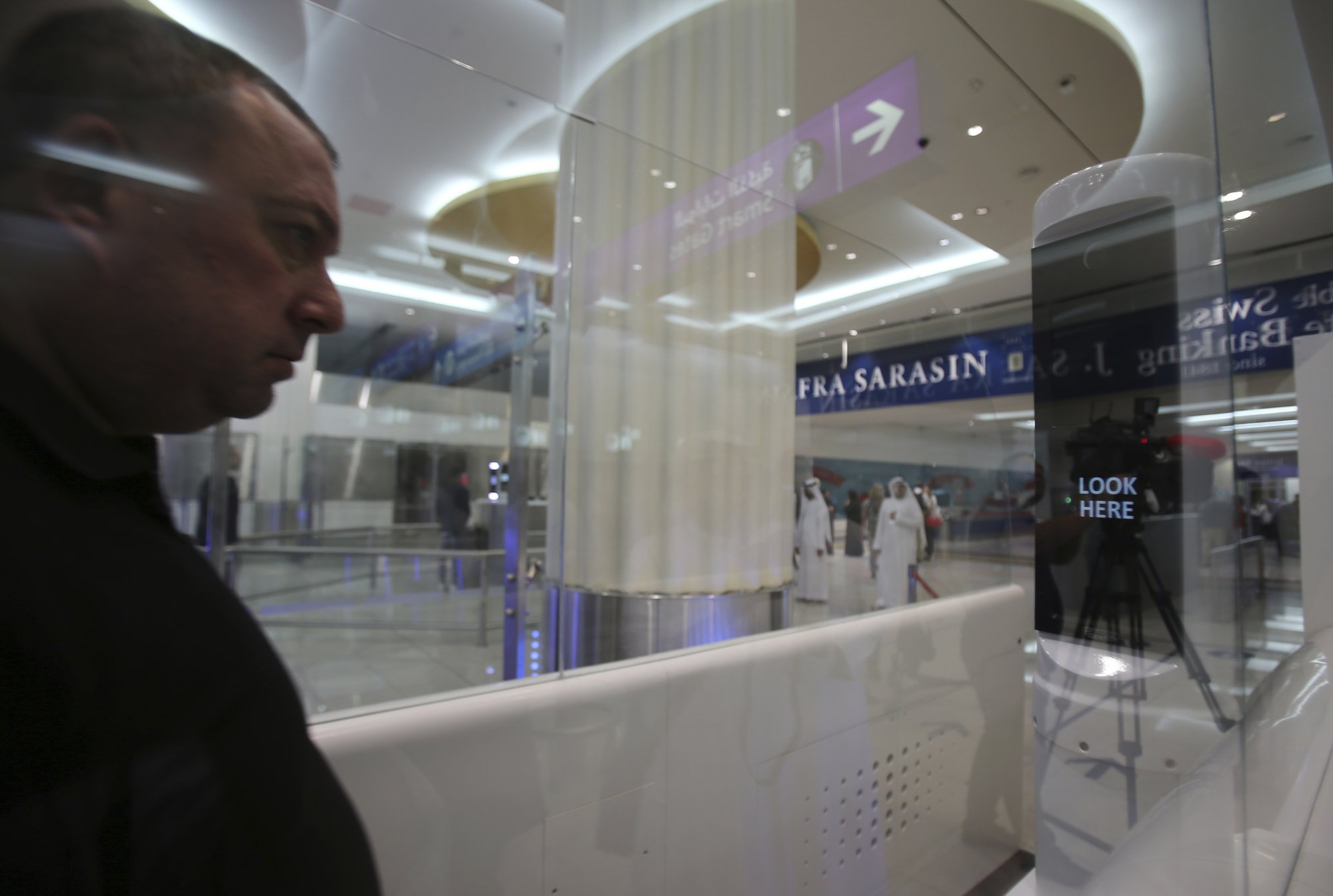
Biometric recognition efficiently saves time for passengers at airports' security check process. /AP Photo
Biometric recognition efficiently saves time for passengers at airports' security check process. /AP Photo
The following airports around the world are taking steps in better utilizing biotech in their operations:
Australian airports have decided to replace passports with biometric controls including fingerprint, iris and facial recognition. This system is expected to cover 90 percent of passengers by 2020.
Schiphol Airport (AMS) in Amsterdam and Dutch airline KLM have begun testing a biometric boarding system in which passengers will not have to show either a boarding pass or passport. Instead, they just need to pass through a special gate, which will recognize their faces.
Charles de Gaulle Airport (CDG) in Paris has started to expand its biometric recognition system. It was first used in 2010 and scans passengers' biometric passports and fingerprints. They aim to cover 20 percent of the passengers who use the airport every day.
The United States is where the biometrics are used the most as the technology is widely used in passports.
More than a hundred airports throughout the world are currently implementing technologies aimed at biometrically recognizing their travelers. This shows the potentials of biometric technology in providing real solutions to the two problems at many world's busiest airports: Growing passenger demands and stricter security requirements.
(Cover image: A passenger walks through the Smart Tunnel at the airport in Dubai, United Arab Emirates, Wednesday, Oct. 10, 2018. /AP Photo)