
Business
21:01, 07-Aug-2018
High stakes for Starbucks in China amid the trade war
Updated
20:01, 10-Aug-2018
 ["china"]
Share







Copied
02:28
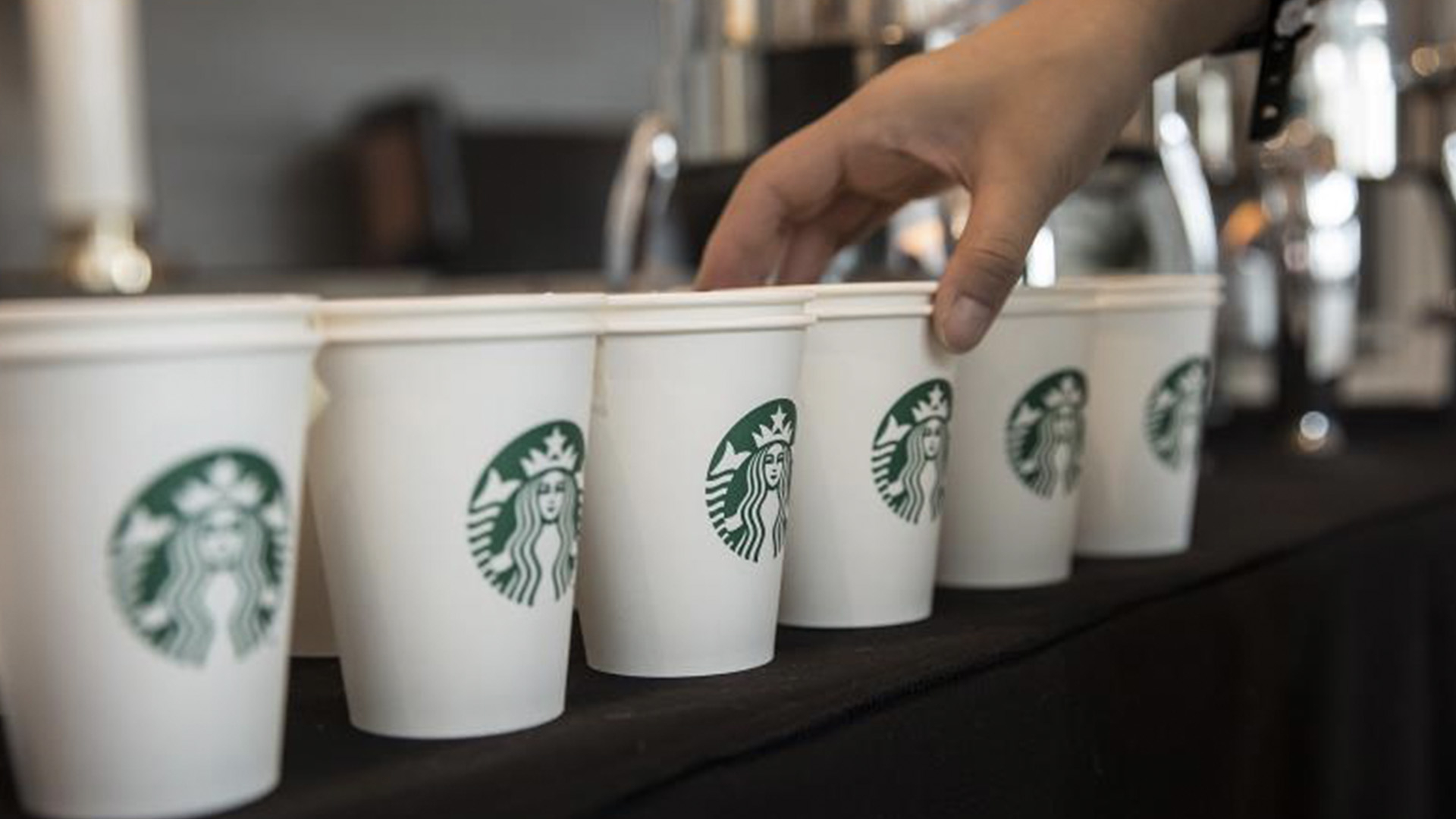
Despite the rising China-US trade tensions, the US coffee company Starbucks announced a high-profile partnership with Chinese e-commerce giant Alibaba.
Part of their deal is that Alibaba will build a fast delivery network for Starbucks in China. Alibaba has a nationwide food delivery platform Ele.me, where three million drivers deliver meals from restaurants to customers within 30 minutes after an order is made online.
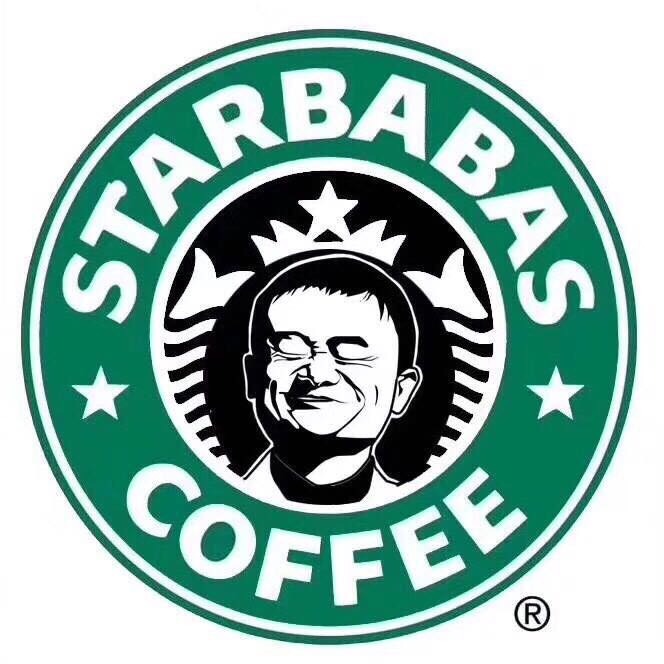
Chinese netizens use photoshop to merge the logos of Starbucks and Alibaba /VCG Photo
Chinese netizens use photoshop to merge the logos of Starbucks and Alibaba /VCG Photo
This platform will deliver Starbucks coffee in 30 cities in China to make sure that coffee retains its original taste when customers get their drinks.
CEO of Starbucks, Kevin Johnson, claimed that the announcement between Starbucks and Alibaba is a reflection of the fact that Alibaba is a world-class technology company.
“They have a shared vision around the future of retail and how you bring the offline experience with the digital experience together to create a new customer experience.”
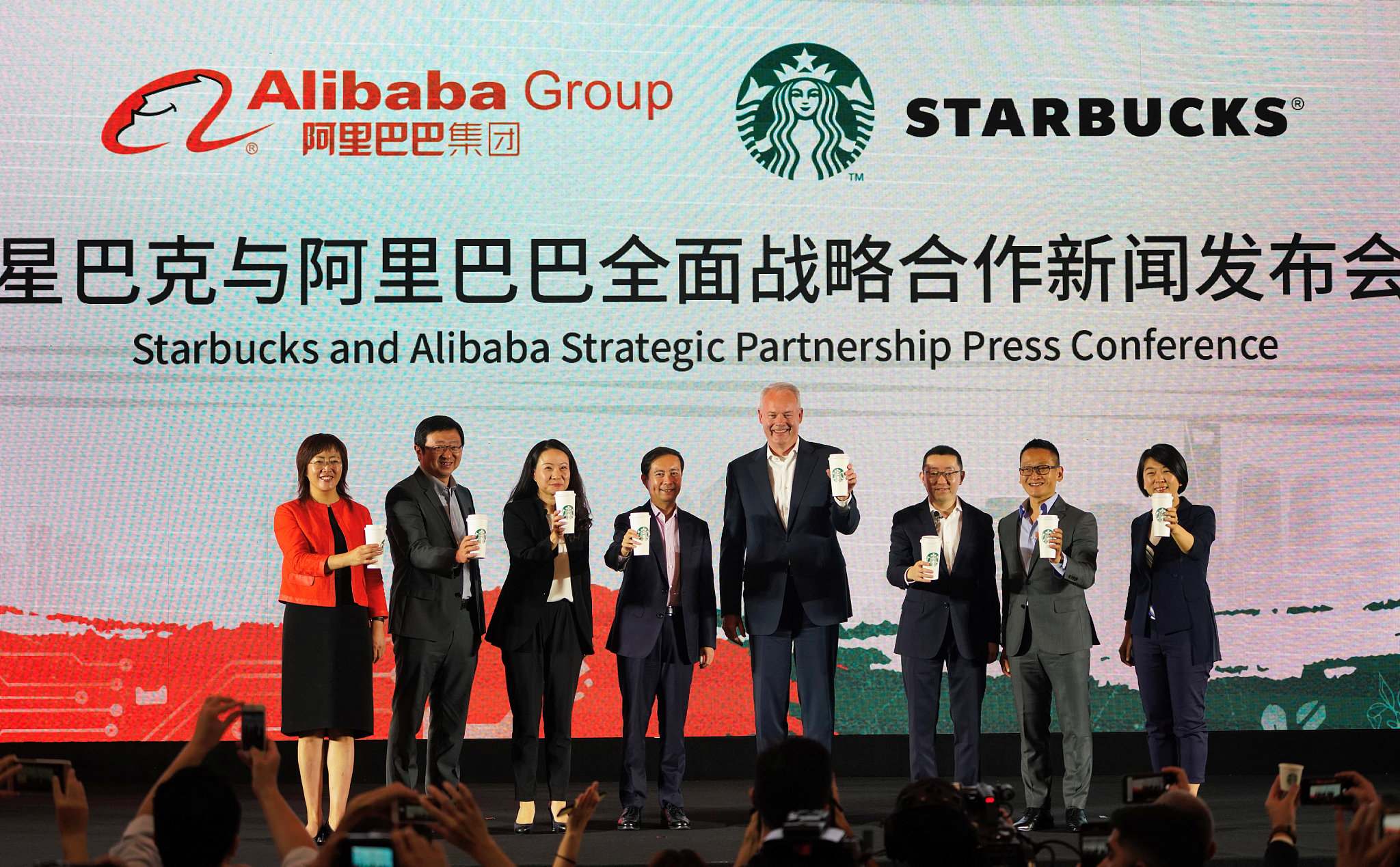
Joint press conference of Starbucks and Alibaba held in Shanghai on August 2, 2018. /VCG Photo
Joint press conference of Starbucks and Alibaba held in Shanghai on August 2, 2018. /VCG Photo
The two companies will also set up “Starbucks delivery kitchens” in some of Alibaba’s newly opened brick and mortar stores. This is the first time that the US company will brew coffee outside its own shops.
Though Alibaba started online, and Starbucks started as retail stores, the two companies are “together” according to CEO of Alibaba, Daniel Zhang Yong.
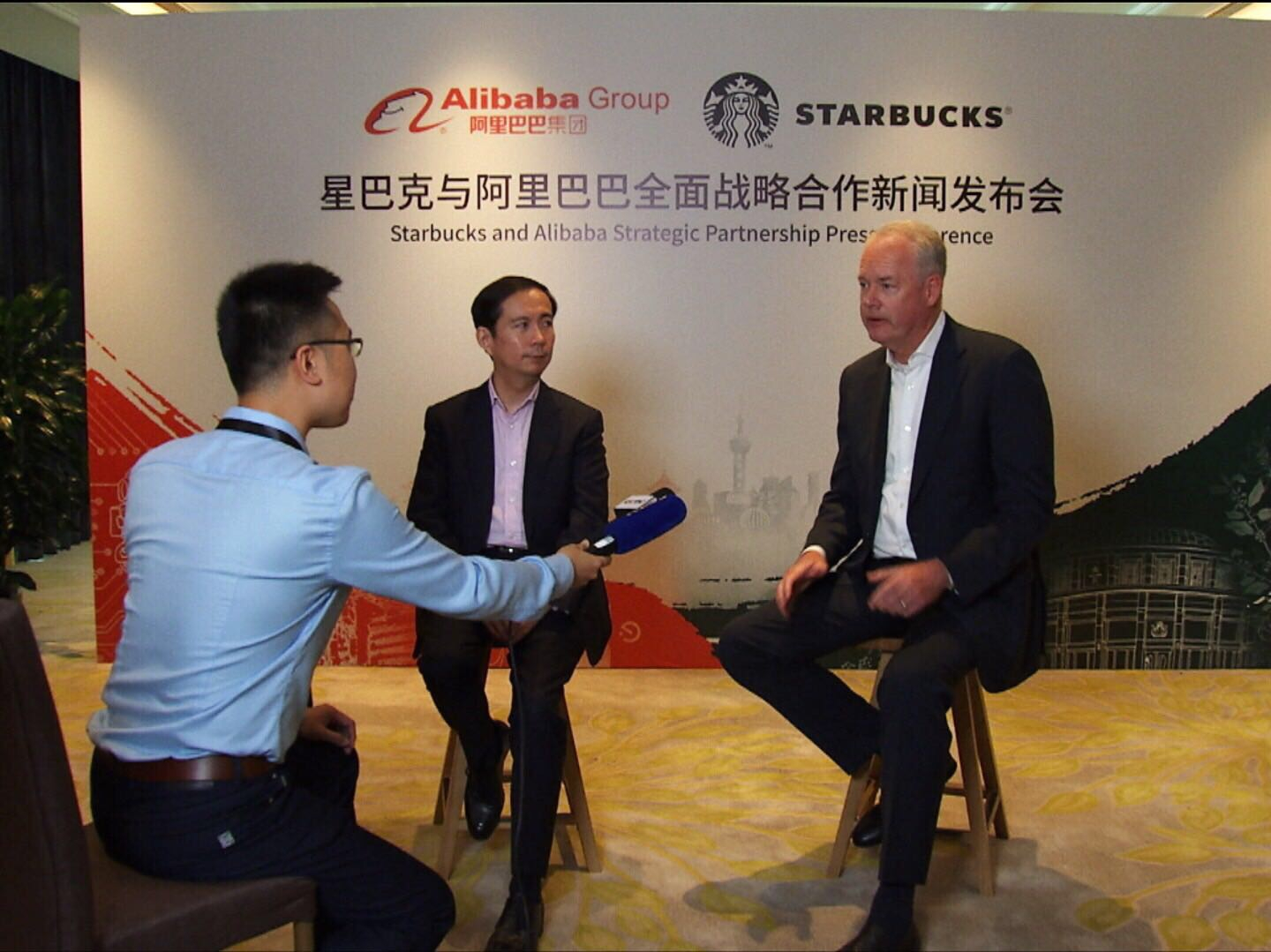
Daniel Zhang Yong, CEO of Alibaba (left) and Kevin Johnson, CEO of Starbucks (right), in exclusive interview with CGTN in Shanghai. /CGTN Photo
Daniel Zhang Yong, CEO of Alibaba (left) and Kevin Johnson, CEO of Starbucks (right), in exclusive interview with CGTN in Shanghai. /CGTN Photo
One of the reasons why Starbucks decided to partner with China’s e-commerce giant Alibaba is the challenges it faces from local brands.
Luckin coffee, one of those local brands, was set up eight months ago. It promises to deliver coffee to your home or office within 30 minutes, with half the price of Starbucks and a delivery fee of less than one US dollar.
It’s not just the competitive prices, but this online-to-offline service has fundamentally challenged Starbucks’ idea of “the third place” which means a place people need to stay in between home and work.
Despite the challenges from local brands and uncertainties from a China-US trade war, Starbucks opened its world’s biggest store in downtown Shanghai, and the second biggest in Beijing in the past year.
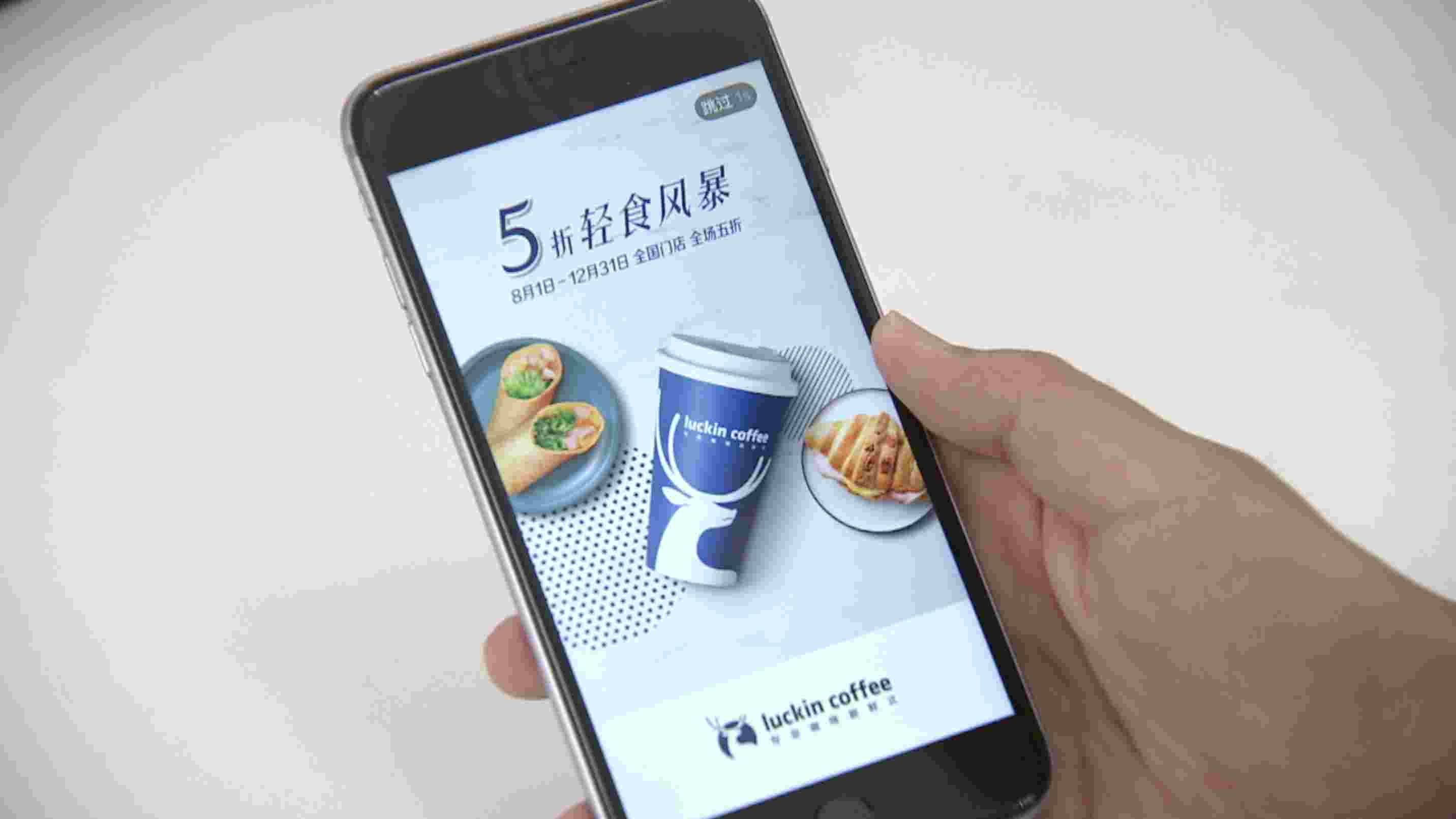
Chinese customers can
order Luckin Coffee takeouts on their mobile phones./CGTN Photo
Chinese customers can order Luckin Coffee takeouts on their mobile phones./CGTN Photo
Starbucks entered China nearly 20 years ago when few people drank coffee. It lost money for nine years, but the founder of Starbucks, Howard Schultz, remained bullish and excited about the Chinese opportunity for Starbucks and decided to stay in China.
Nowadays, more and more young people in China are accustomed to drinking coffee as part of their daily lifestyle.
As a result of Starbucks' continuous investment and young people’s enthusiasm for coffee, China has now become Starbucks' second largest market after the United States.
When it comes to the concerns of the trade war, Kevin Johnson said, “We operate in 77 countries around the world, so even if there is geopolitical discussion going on in some parts of the world, we stay focused on Starbucks and what we can do to take care of our partners and better serve our customers.”
Simply put, this US brand has shaped a Chinese lifestyle, and now, it cannot afford to lose the market in China.