
Business
18:47, 04-Oct-2018
Danske Bank faces US criminal inquiry over suspicious Estonian accounts
Updated
18:09, 07-Oct-2018
 ["china"]
Share






Copied
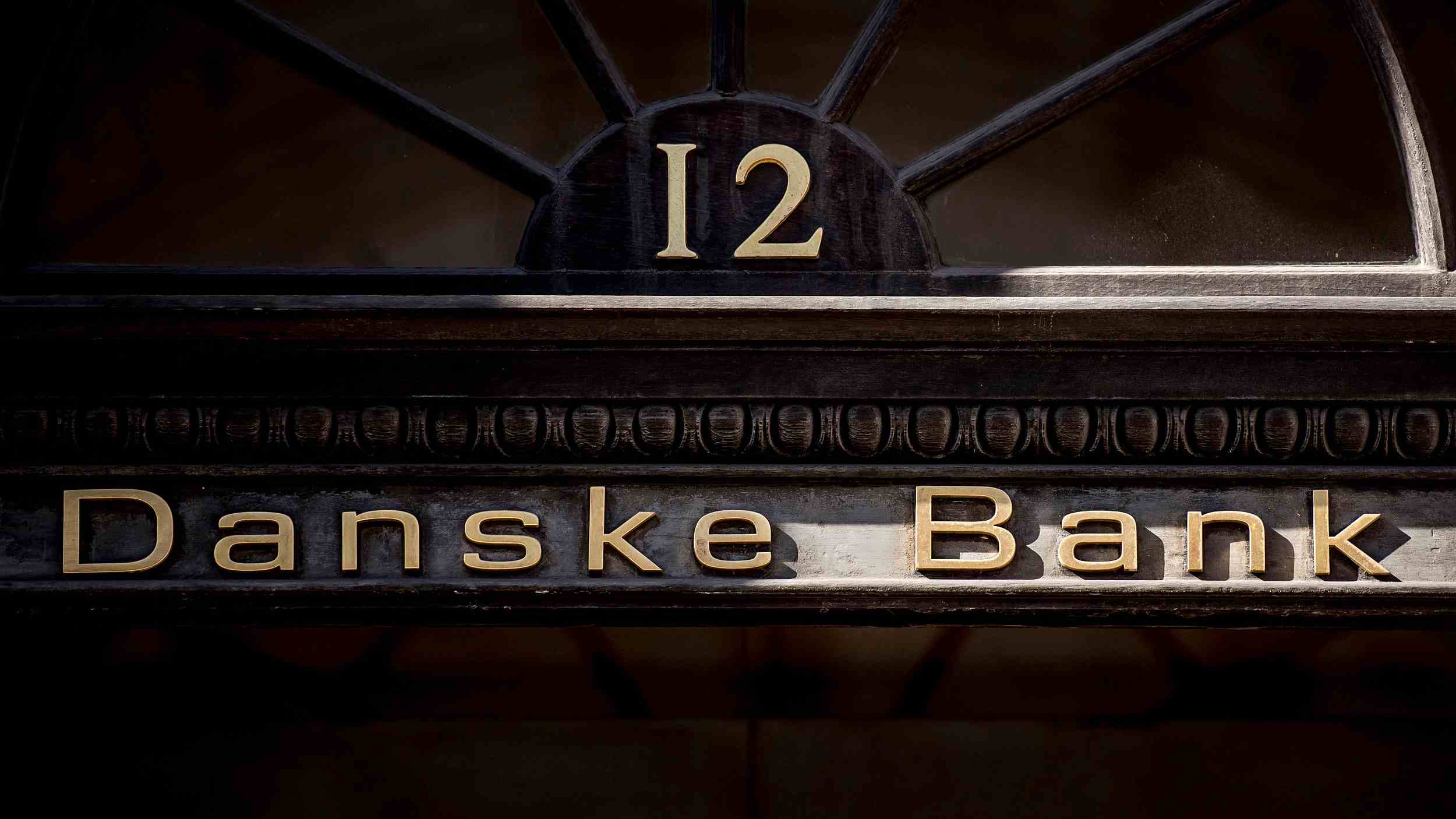
Danske Bank faces a criminal investigation by the US Department of Justice over a 200 billion-euro (230 billion US dollars) money laundering scandal involving its Estonian branch, increasing long-held investor fears.
Denmark's largest bank said on Thursday that it had "received requests for information from the US Department of Justice (DOJ) in connection with a criminal investigation relating to the bank's Estonian branch."
The bank, which this week appointed Jesper Nielsen as an interim chief executive to handle the crisis in the short term after the resignation last month of Thomas Borgen, said it was cooperating with the US authorities.
Shares in Danske Bank fell by three percent to 160 Danish crowns, their lowest level since January 2015 and a 33 percent decline so far this year, as its investors and customers digested the US investigation and the bank's decision to halt a share buyback program to bolster its capital.
The mayor of Copenhagen, Frank Jensen, said the Danish capital was looking into ending its cooperation with Danske Bank as a result of the unfolding scandal.
Shareholders have fretted for months over the possibility of US authorities investigating whether Danske Bank broke US rules in allowing payments through its Estonian operation because of the potential for significant penalties.
"We think a fine of six billion US dollars, unlikely in our view given no sanctions/terror violations have been uncovered as yet after investigating high-risk customers, is already reflected in the price," Jefferies analyst Kapilan Pillai said in a note.
France's BNP Paribas reached a record 8.9 billion US dollar settlement with US authorities in 2015 to resolve claims that it violated sanctions against Sudan, Cuba and Iran.
Many of the non-resident accounts at Denmark's Estonian branch were held by entities or individuals in Russia, which is the subject of US sanctions.
Banks doing business in Estonia handled more than one trillion US dollars in cross-border flows between 2008 and 2017, the country's central bank said on Wednesday.
Sweden's Swedbank said on Thursday there were "no ongoing investigations" into its anti-money laundering practices. Nordea, the Nordic region's biggest bank, also said it is not under investigation over alleged money laundering in the Baltics.
Source(s): Reuters