
IP
13:33, 08-Jul-2018
Improved IPR protection in China boosts confidence of German companies
Updated
12:32, 11-Jul-2018
 ["china"]
Share







Copied
03:20
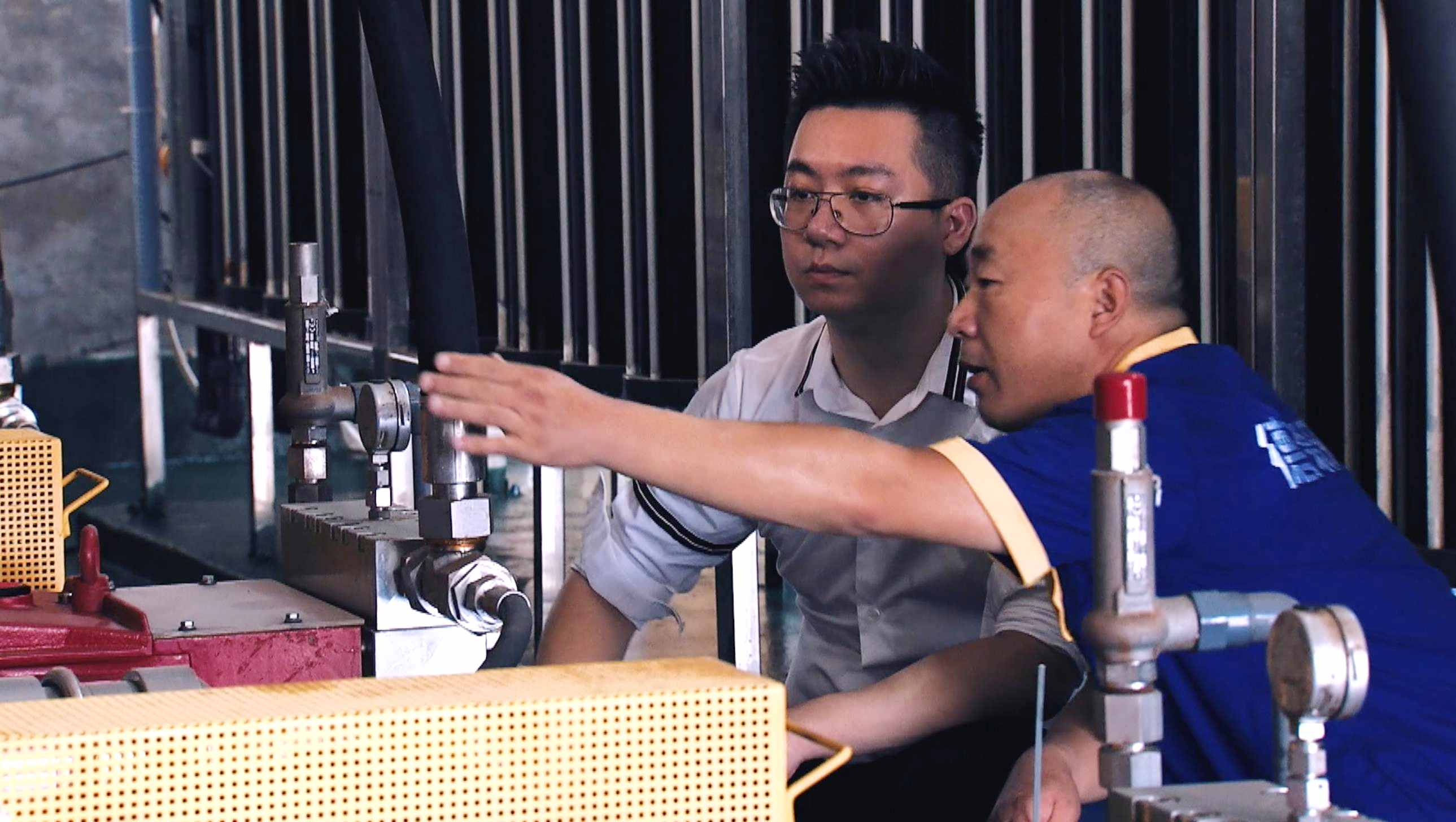
Germany is a world leader in clean energy technology, and huge demand from China in that field is luring many German firms to enter the market. But their biggest concern is intellectual property rights (IPR), or to say it in a more straightforward way, will their IPR be protected in China?
The answer may be found in Jieyang, a small city in south China's Guangdong Province.
Over the past several decades, Jieyang prospered on manufacturing stainless metal products, but heavy-metal pollution is standing in the way for its future development.
"This industry naturally brought heavy pollution. But as the Chinese government is rapidly tightening its grip on environmental protection, we're now under heavy pressure. But it's also a big opportunity for business," Sun Senlin, whose family has been in hardware business for decades, told CGTN. He is now the founder and CEO of Guangdong Desun Environmental Technology.
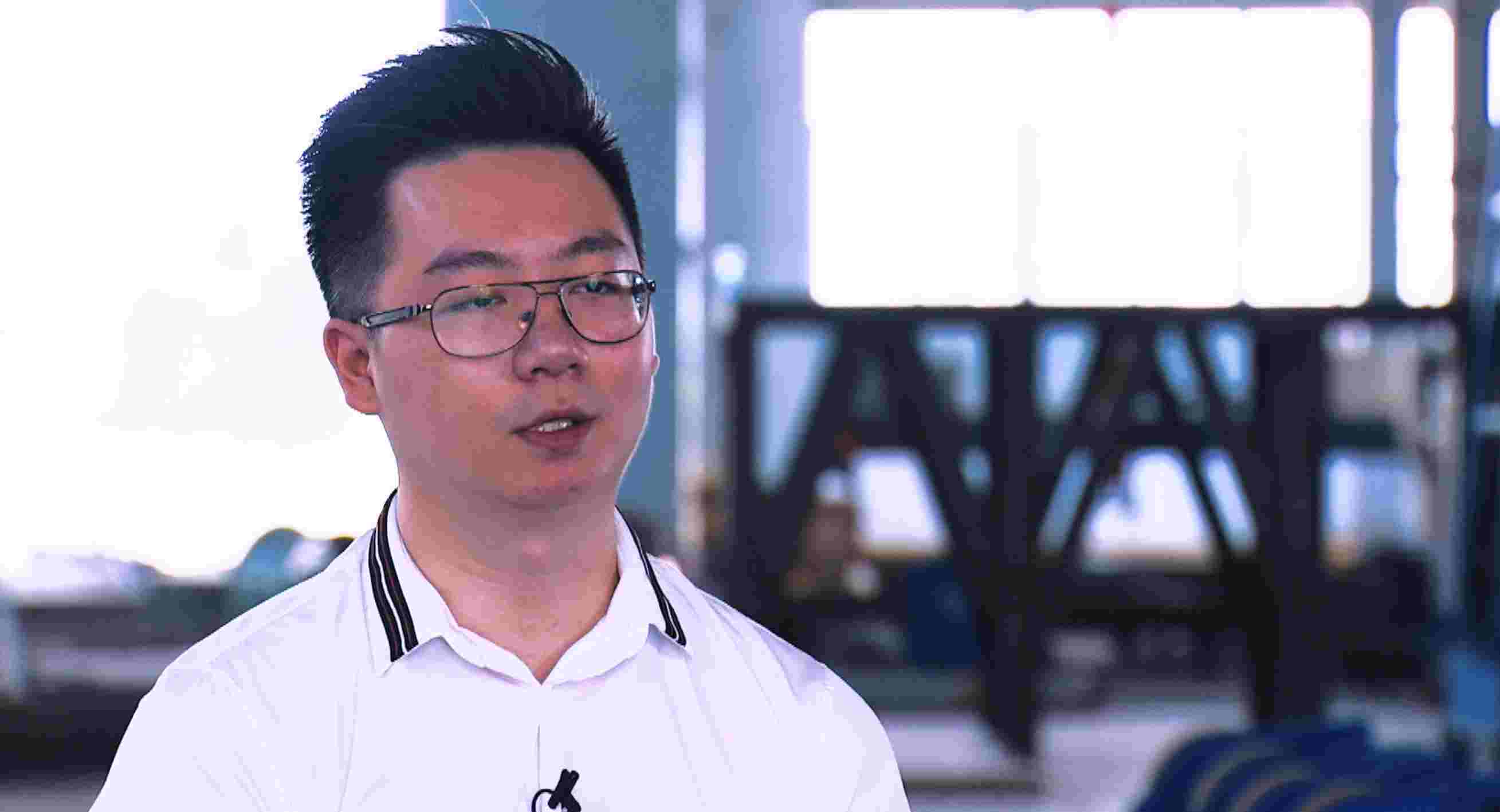
Sun Senlin, founder and CEO of Guangdong Desun Environmental Technology Co., Ltd., talks to CGTN. /CGTN Photo
Sun Senlin, founder and CEO of Guangdong Desun Environmental Technology Co., Ltd., talks to CGTN. /CGTN Photo
In 2015, seeing huge market potential, 25-year-old Sun Senlin wanted to build a wastewater treatment system that could achieve the goal of full recycling.
Eventually he found the technology made by a German company called MFT Technik. But the Germans shut him out.
"Before us, a Chinese company had come to MFT for cooperation, but instead they copied their designs. So the MFT people were on high alert when I tried to reach them."
While Sun's misbehaving Chinese peer caused him a headache, he didn't give up. In 2016 alone, he flew to Germany six times, hoping to strike a deal. Finally, his determination to protect IPR persuaded MFT.
Now Sun and his German partners have built the first and largest full-recycling membrane system for wastewater treatment in China. He hopes this will be a good start for further cooperation.
Four years ago in Berlin, Chinese President Xi Jinping and German Chancellor Angela Merkel witnessed the singing of a green power project located in Jieyang.
The green power plant uses the third generation technology which can recycle 98 percent of solid life waste into clean and green fuel that can be used for coal power plants, reducing 70 percent of carbon emissions.
To protect their cutting-edge technology, Alex Mao, the CEO of Alba Asia said they signed exclusive partnerships and confidentiality agreements with all Chinese suppliers and construction companies.
But Mao admitted their Chinese counterparts are catching up fast so the only way to keep a leading position is to keep investing in evolving technologies.
Mao said that China may soon need 300 more green power plants of this kind. With an improving environment of IPR protection, it’s an opportunity that German companies cannot miss.
(Cover: Sun Senlin, founder and CEO of Guangdong Desun Environmental Technology Co., Ltd., inspects a wastewater treatment equipment with a staff member. /CGTN Photo)