
Internet
16:59, 21-Apr-2018
Xi outlines blueprint to develop China's strength in cyberspace
 ["china"]
Share







Copied
00:41
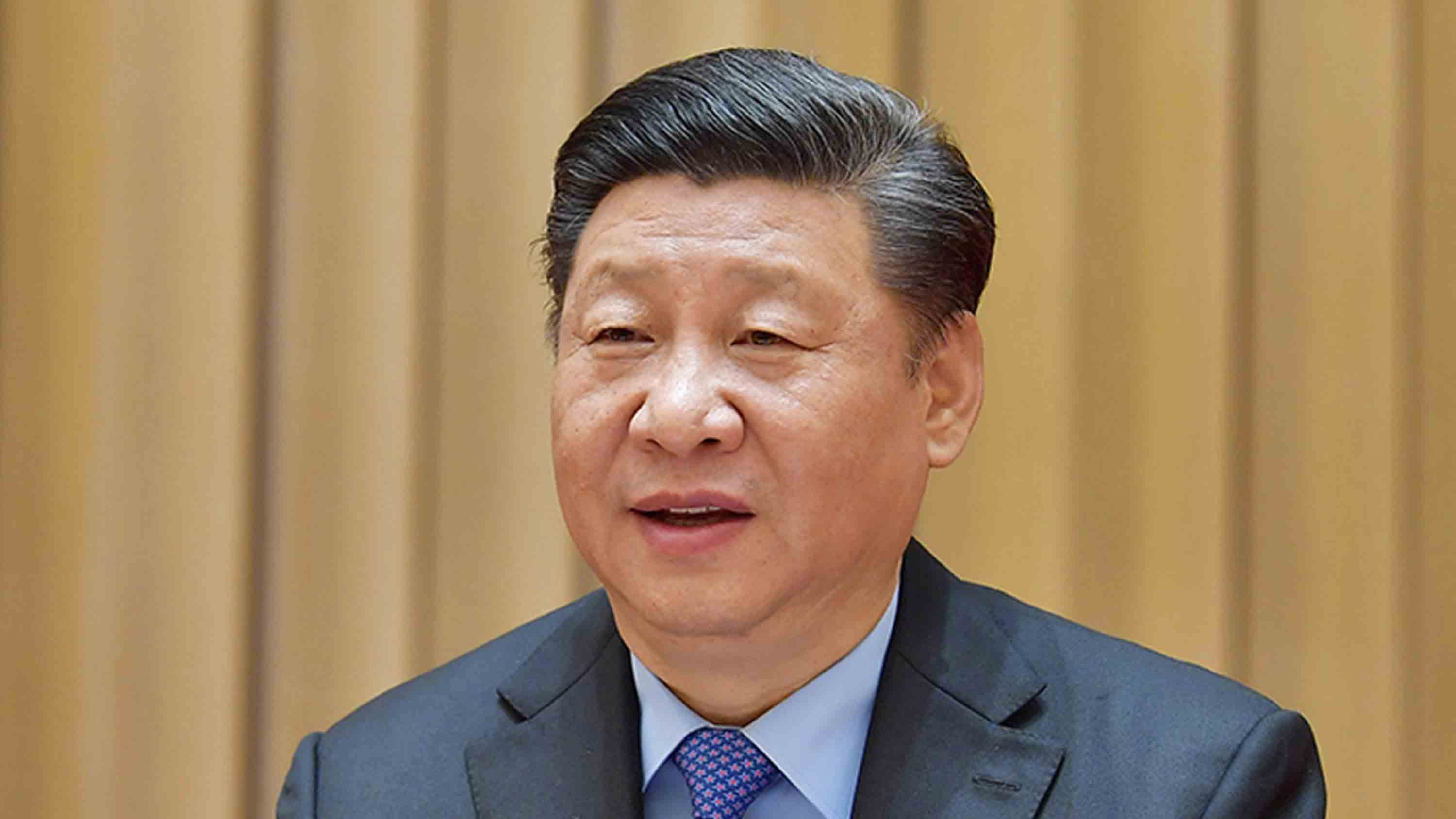
Chinese President Xi Jinping has called for "keenly" grasping the historic opportunity for informatization development in a bid to build the country's strength in cyberspace.
Xi, also head of the Central Cyberspace Affairs Commission, made the remarks at a two-day national conference on the work of cybersecurity and informatization held from Friday.
He called for the enhancement of the comprehensive network governance system, and urged relevant sides to fully play their roles: Party committees with leadership functions, government agencies with management, enterprises with social responsibility and individuals with self-discipline.
The responsibilities of Internet enterprises should be compacted and implemented, and "in no way should the Internet become a platform to spread harmful information and make rumors," said Xi, who also required the industry to strengthen self-regulation.
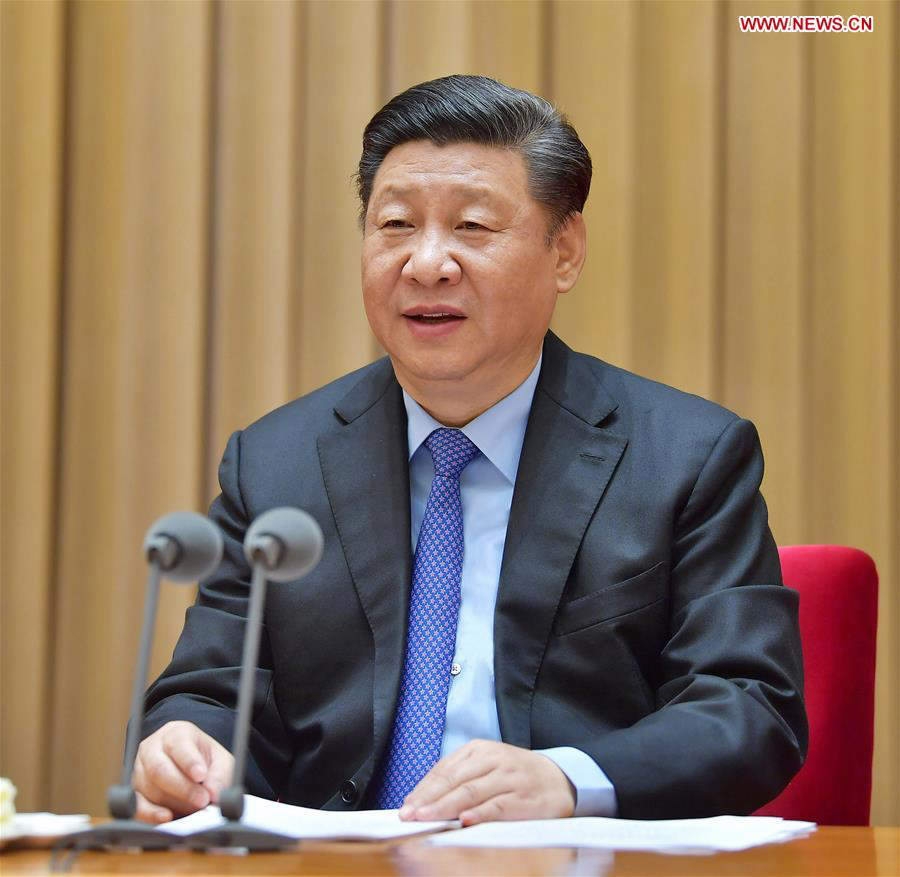
Chinese President Xi Jinping, also head of the Central Cyberspace Affairs Commission, speaks at a national conference on the work of cybersecurity and informatization held from April 20 to 21 in Beijing. /Xinhua Photo
Chinese President Xi Jinping, also head of the Central Cyberspace Affairs Commission, speaks at a national conference on the work of cybersecurity and informatization held from April 20 to 21 in Beijing. /Xinhua Photo
No cybersecurity, no national security
Xi highlighted cybersecurity as the premise of national security, economic and social stability, and a guarantee of the general public’s interests.
Chinese netizens faced fewer cybersecurity problems in 2017 compared to 2016, according to a report released by the China Internet Network Information Center last January.
A total of 47.4 percent of participants in the survey said they had not come across cybersecurity problems in the last six months – up 17.9 percentage points from 2016.
The president pointed out that China should improve the protection of its information infrastructure's security and proactively develop the cybersecurity industry.
Illegal activities such as hacking and telecommunications fraud, and violation to people’s privacy will be cracked down, Xi promised.
China has the ability to help tackle the world’s cybersecurity problems with advanced hardware, experts maintain.
"Much computer software around the world is designed and manufactured in China. Thus China has been in a good position to assist the world to cope with cybersecurity threats. Because only through improving the security standards for both hardware and software can we build a safer cyber world," said Robert Hannigan, former director of Britain's Government Communications Headquarters.
Technical support for China’s cyberspace construction
Xi reiterated the significance of core technologies at the conference. He said the country needs to step up breakthroughs in core technology, and improve the institutional and marketing environments to inject vitality in innovative processes and mobilize innovators.
He also encouraged the connection of basic research with technological innovation, calling for the former to drive the latter.
In fact, China has witnessed a leap in information technology, with its 5G network, supercomputers and quantum communication knowledge leading the world.
China ranks the first, followed by South Korea and the US, in the race to develop fifth generation wireless networks, according to a study released by the CTIA, a US-based trade association of wireless carriers released last week.
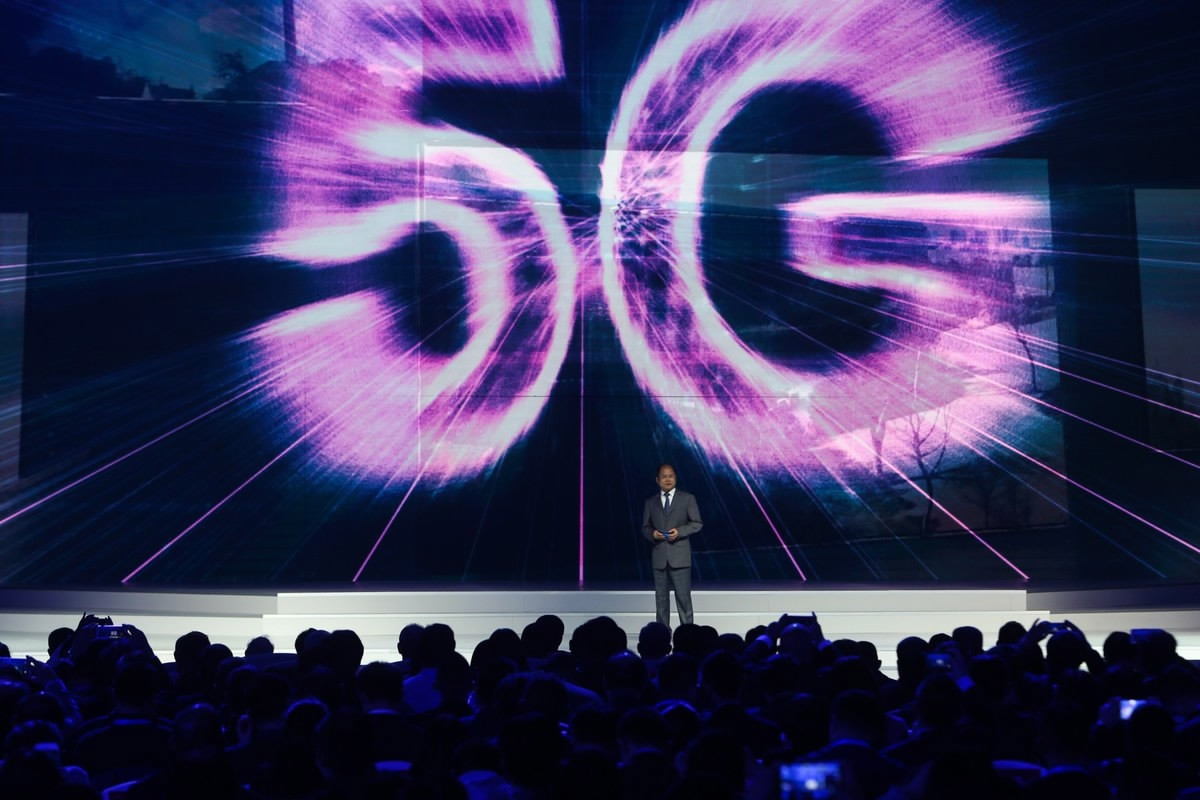
China prepares for 5G commercialization. /Xinhua Photo
China prepares for 5G commercialization. /Xinhua Photo
"The United States will not get a second chance to win the global 5G race," said Meredith Attwell Baker, CTIA president and chief executive.
For supercomputers, China’s Sunway TaihuLight maintains the lead as the No. 1 system for the fourth time and Tianhe-2, or Milky Way-2, comes in second, according to the 50th TOP500 list of the fastest supercomputers in the world, which also showed that China has overtaken the US in the total number of ranked supercomputers systems.
"China now clearly shows a substantially larger number of installations than the United States," said TOP500.
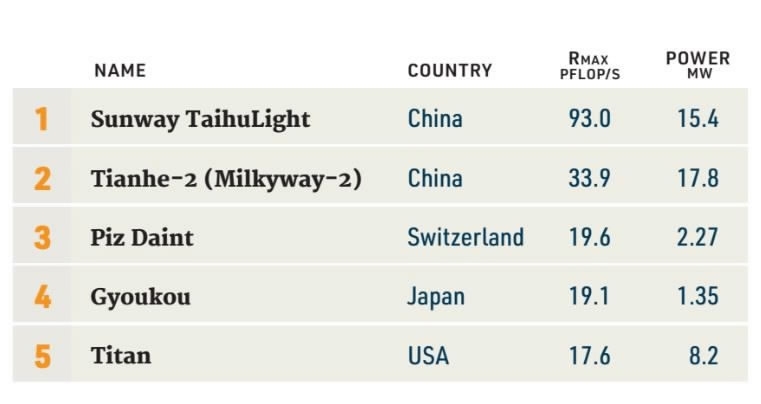
China dominates the world's Top 500 supercomputers list. /Photo via TOP500
China dominates the world's Top 500 supercomputers list. /Photo via TOP500
China has also made tremendous efforts in developing quantum technology over the years, with achievements including the first large-scale quantum communication test network in 2010, the world's first quantum-encrypted network in 2017, and the world’s first quantum communication trunk line the same year.
"In quantum, China may already be ahead," William Carter, deputy director of the Technology Policy Program at the Center for Strategic and International Studies, said.

Quantum communication technology is considered as one of the most secure information delivery methods at present. /VCG Photo
Quantum communication technology is considered as one of the most secure information delivery methods at present. /VCG Photo
Xi also pointed out the need to develop digital economy and facilitate digital industrialization.
He noted China should strengthen cooperation with countries and regions in the Belt and Road Initiative to jointly develop Internet infrastructure, digital economy and cybersecurity to build a digital Silk Road for the 21st century.
17km