
World
18:20, 23-Apr-2018
Why are Pakistan's Pashtuns protesting?
 ["other","Pakistan"]
Share







Copied
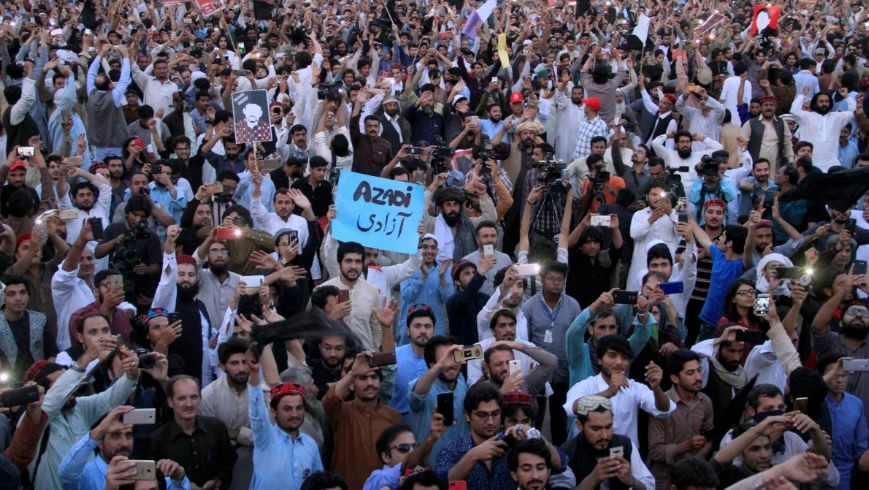
Thousands of people gathered in Pakistan's eastern city of Lahore to demand an end to what they say have been decades of oppression against an ethnic group in areas bordering Afghanistan.
Some of the Pashtun community's demands include the recovery of missing persons and action against a high profile cop involved in the extrajudicial killing of a youth.
The protest went ahead on Sunday despite the authorities' refusal to issue a permit for the event, citing specific threats to the security of organizers, and a police crackdown on the demonstration.
Five of the Pashtun Tahaffuz Movement's (PTM) members were arrested, while the venue of the demonstration - the city's Mochi Gate - was also flooded with sewage water, but nothing could deter the participants.
Local government officials refused to comment on how the wastewater was discharged, Reuters reported.
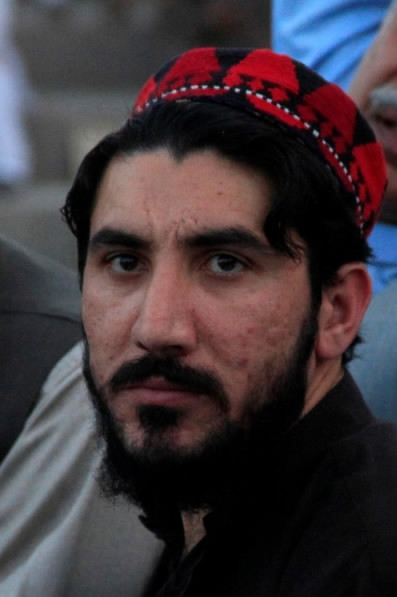
Manzoor Pashteen, student activist and leader of the Pashtun Tahaffuz Movement (PTM), is seen during a rally in Lahore, Pakistan April 22, 2018. /Reuters Photo
Manzoor Pashteen, student activist and leader of the Pashtun Tahaffuz Movement (PTM), is seen during a rally in Lahore, Pakistan April 22, 2018. /Reuters Photo
Speaking at the rally, the PTM leader and student activist Manzoor Pashteen said they wanted to reveal the situation that had been hidden from the media and the eyes of the public.
The backing of political leaders
Members of civil society also attended the rally, among them were Tahera Jalib – daughter of revolutionary poet Habib Jalib – and Amina Masood Janjua of the Defence of Human Rights Pakistan, whose husband has been missing since 2005, Pakistan's English-language daily DAWN reported.
The protest also drew support from Bilawal Bhutto-Zardari, the leader of the main opposition, the Pakistan Peoples Party (PPP), and Maryam Nawaz, the daughter of Pakistan's former Prime Minister Nawaz Sharif, who backed PTM's right to protest.
"All Pakistani citizens have right to peaceful protest. PTM are no different. From the arrest of their organisers and allies, to the continued harassment of students in Lahore, I condemn the high handedness and disregard for the constitutional rights of the people," the PPP chairman tweeted on Sunday.
Maryam Nawaz, in a tweet, called for the release of the arrested PTM activists, saying they are equal citizens in Pakistan.
What led to protest
In January this year, a Pashtun youth named Naqibullah Mehsud was killed in a staged encounter in the southern city of Karachi. The killing sparked nationwide protests and led to the emergence of the PTM.
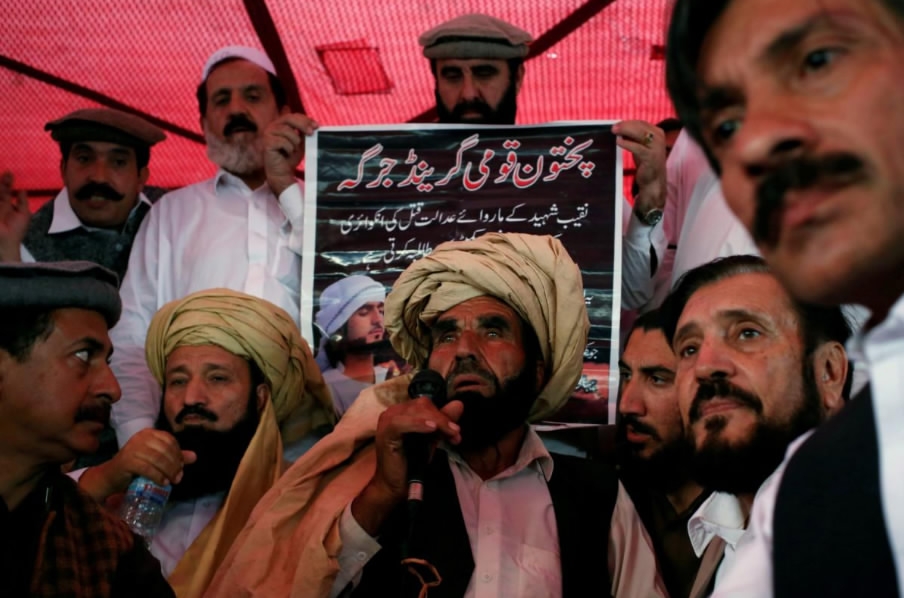
Muhammad Khan Mehsud (C), the father of Naqibullah Mehsud, whose family said was killed by police in a so-called "encounter killing," speaks to grand jirga (tribal assembly or public meeting) in Karachi, Pakistan January 22, 2018. /Reuters Photo
Muhammad Khan Mehsud (C), the father of Naqibullah Mehsud, whose family said was killed by police in a so-called "encounter killing," speaks to grand jirga (tribal assembly or public meeting) in Karachi, Pakistan January 22, 2018. /Reuters Photo
A probe ordered by the Supreme Court found former senior superintendent of police Rao Anwar and three others guilty of killing Mehsud in the fake encounter.
According to Pakistani media, an Anti-Terrorism Court on Saturday sent Anwar to prison on judicial remand.
Pashteen, referring to the action against Anwar, said the whole country had seen the result of PTM's first demand.
Now the court, he said, has declared Anwar a terrorist and Mehsud innocent.
Mehsud was a native of Waziristan, a tribal area in Pakistan that neighbors Afghanistan, where the Taliban took control of swathes of territory, leading to large military operations in 2009 and 2014. Ethnic Pashtuns said they were caught in the war between the Taliban and Pakistan's military.
The Pashteen also called for an end to enforced disappearances and extrajudicial killings, saying thousands of Pashtuns have been killed extrajudicially despite a provision in the constitution stating that those arrested should be presented before courts within 24 hours.
The Supreme Court has ordered a probe on enforced disappearances.
The organizers of Sunday's rally announced they will hold a similar event in Karachi on May 12 to condemn the violence that the city witnessed in 2007.
The PTM held a rally in the northwestern city of Peshawar earlier this month, which the English language Pakistan Daily dubbed as an "impressive gathering", to demand the release of missing persons as well as the provision of basic human rights to the Pashtun community in the country.
[Cover: Members of Pakistan's Pashtun community, chant slogans and take photos of their leader Manzoor Pashteen (unseen) during Pashtun Tahaffuz Movement's (PTM) rally against, what they say, are human rights violations, in Lahore, Pakistan April 22, 2018. /Reuters]