
Enviro
21:54, 29-Apr-2018
Australia announces AU$500 million plan to restore Great Barrier Reef
 ["china"]
Share







Copied
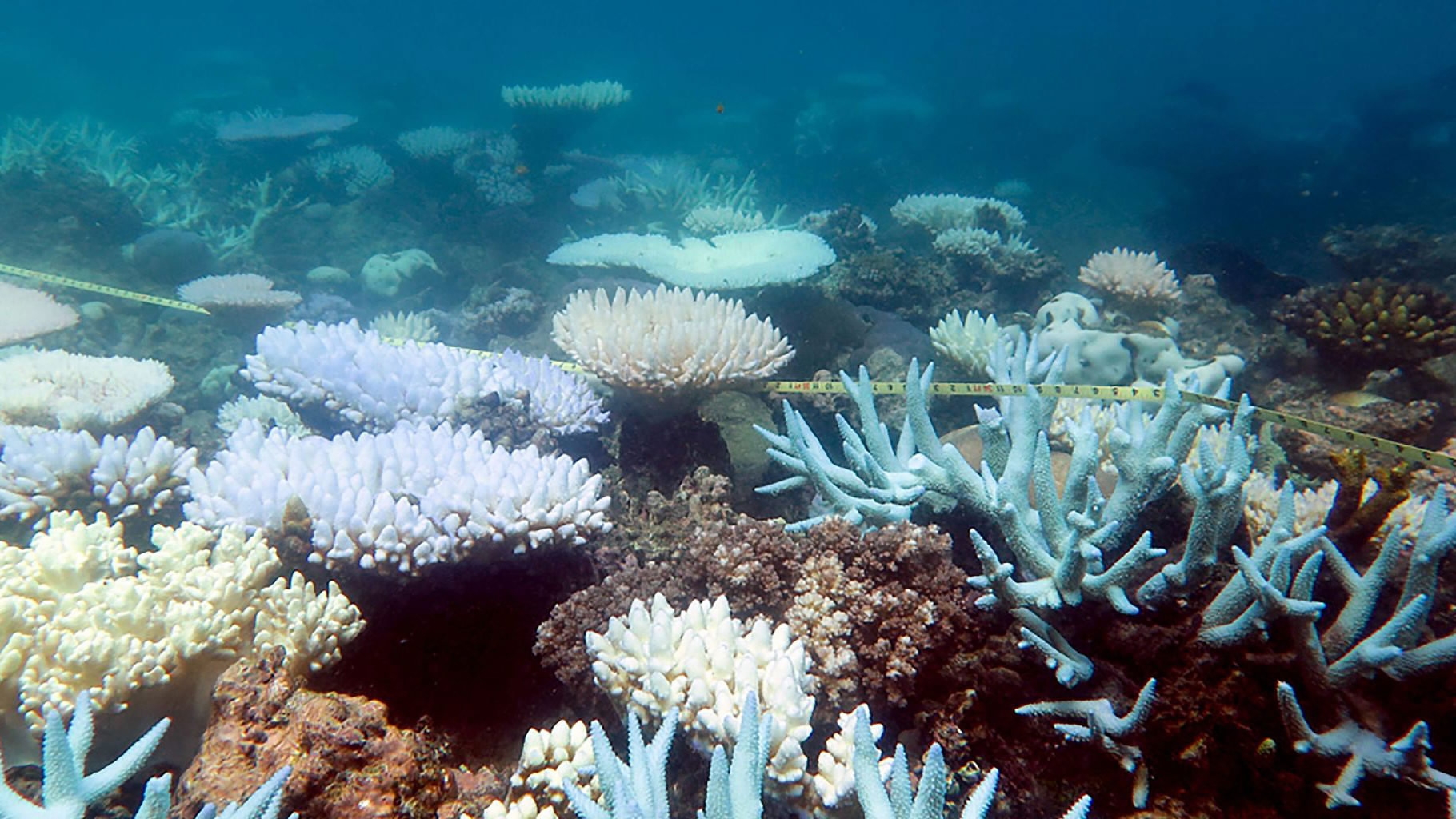
Australia’s Great Barrier Reef will receive 500 million Australian dollars (about 379.08 million US dollars) in new funding to restore water quality and protect the coral from starfish attacks, government ministers announced on Sunday.
Australian Energy Minister Josh Frydenberg said in a televised interview that some of the money would go directly to farmers so they can modify their practices “to ensure that the reef doesn’t get the large amounts of sediment, nitrogen and pesticide run-off which is so damaging to coral” but instead help breed crown-of-thorns starfish which feeds on them.
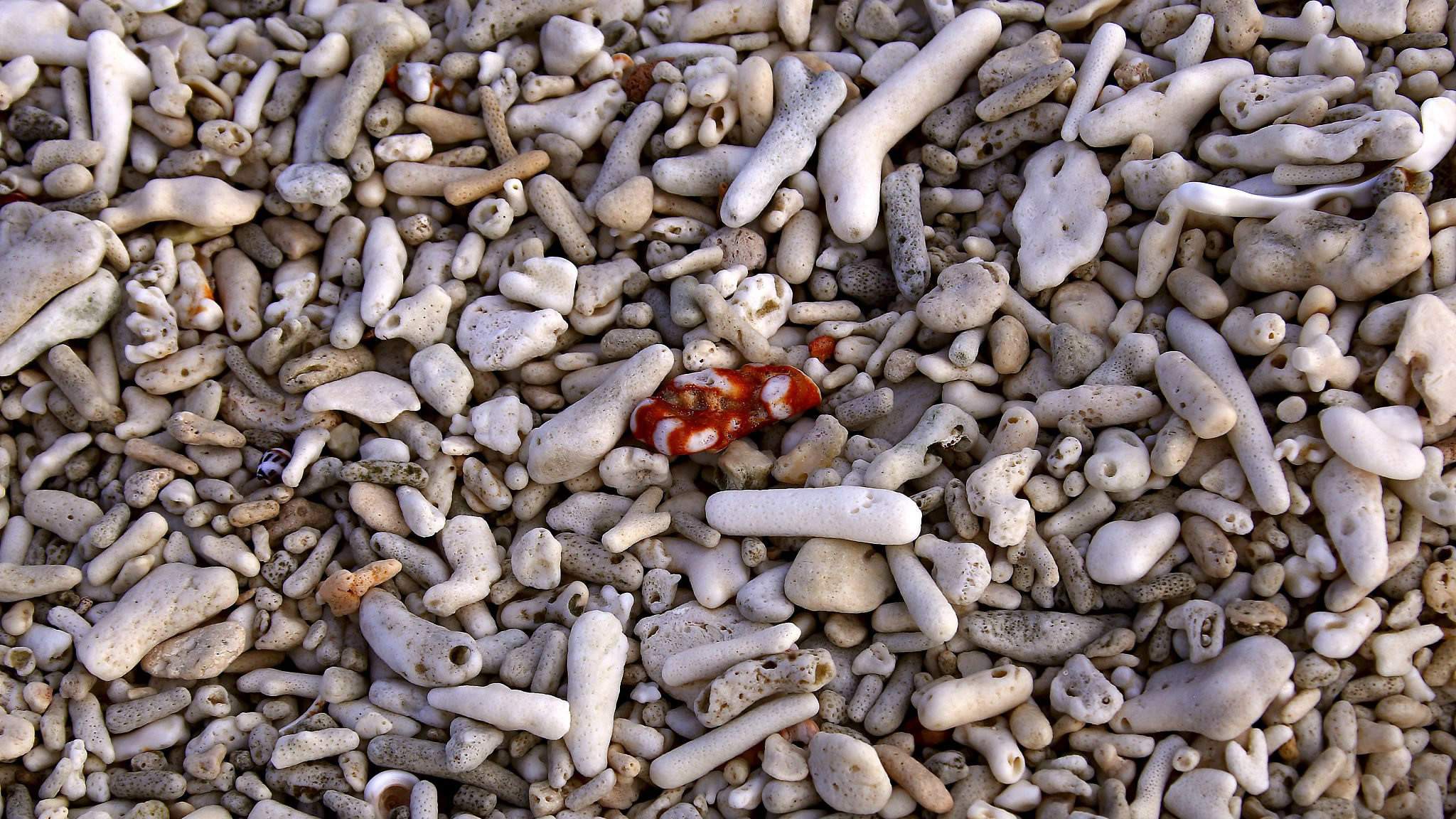
Dried coral and shells lie on a beach on Lady Elliot Island, northeast of the town of Bundaberg in Queensland, Australia, June 10, 2015. /VCG Photo
Dried coral and shells lie on a beach on Lady Elliot Island, northeast of the town of Bundaberg in Queensland, Australia, June 10, 2015. /VCG Photo
Turnbull said it was the “largest ever single investment” to protect the reef, secure its viability and the 64,000 jobs that rely on the reef.
"We want to ensure the reef's future for the benefit of all Australians, particularly those whose livelihood depends on the reef," he added, saying the government would work with traditional Aboriginal owners, the tourist industry, farmers and scientists and calling the commitment “a game-changer.”
The Great Barrier Reef is a critical national asset, contributing 6.4 billion Australian dollars a year to the country’s economy.
File photo shows healthy corals in the Great Barrier Reef, Australia. /VCG Photo
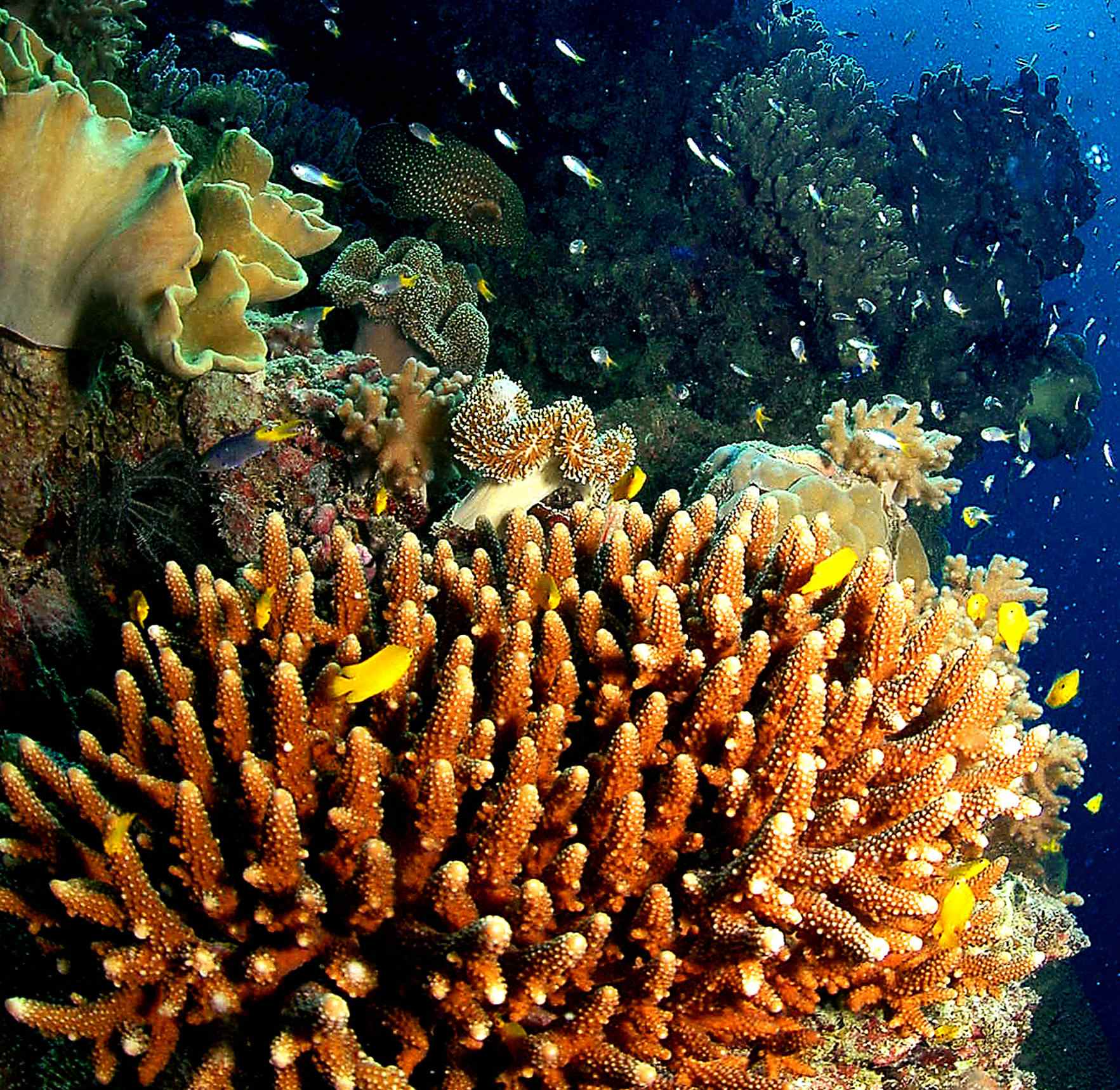
File photo shows healthy corals in the Great Barrier Reef, Australia. /VCG Photo
However, a study in the journal Nature said some 30 percent of the reef's coral had perished, the first of an unprecedented two successive years of coral bleaching along the 2,300 km reef.
The UN culture body UNESCO considered putting it on the “in danger” list last year due to recent widespread destruction but voted against it, saving Australia from the potential damage to its tourism industry.
While the funding announcement was welcomed by scientists, some were skeptical about whether it would actually help.
Jon Brodie, a professor at James Cook University’s Coral Reef Studies Center of Excellence said the funding is "not working, not achieving major water quality improvements”, referring to it as an extension of existing failed programs.
However, according to Australian Foreign Minister Julie Bishop, Australia was a world leader in managing and protecting its reef, as the government’s Reef 2050 plan had been approved by the UNESCO World Heritage Committee as being the standard for the rest of the world to follow.
“They look to Australia to provide the technical expertise, the scientific research, and to give the best practice management of coral reefs and that’s what we demonstrate,” she said.
Source(s): AFP
,Reuters