
Company
15:11, 20-Dec-2018
Bike-sharing company ofo hit with spending restriction order amid bankruptcy fears
Updated
14:34, 23-Dec-2018
 ["china"]
Share







Copied
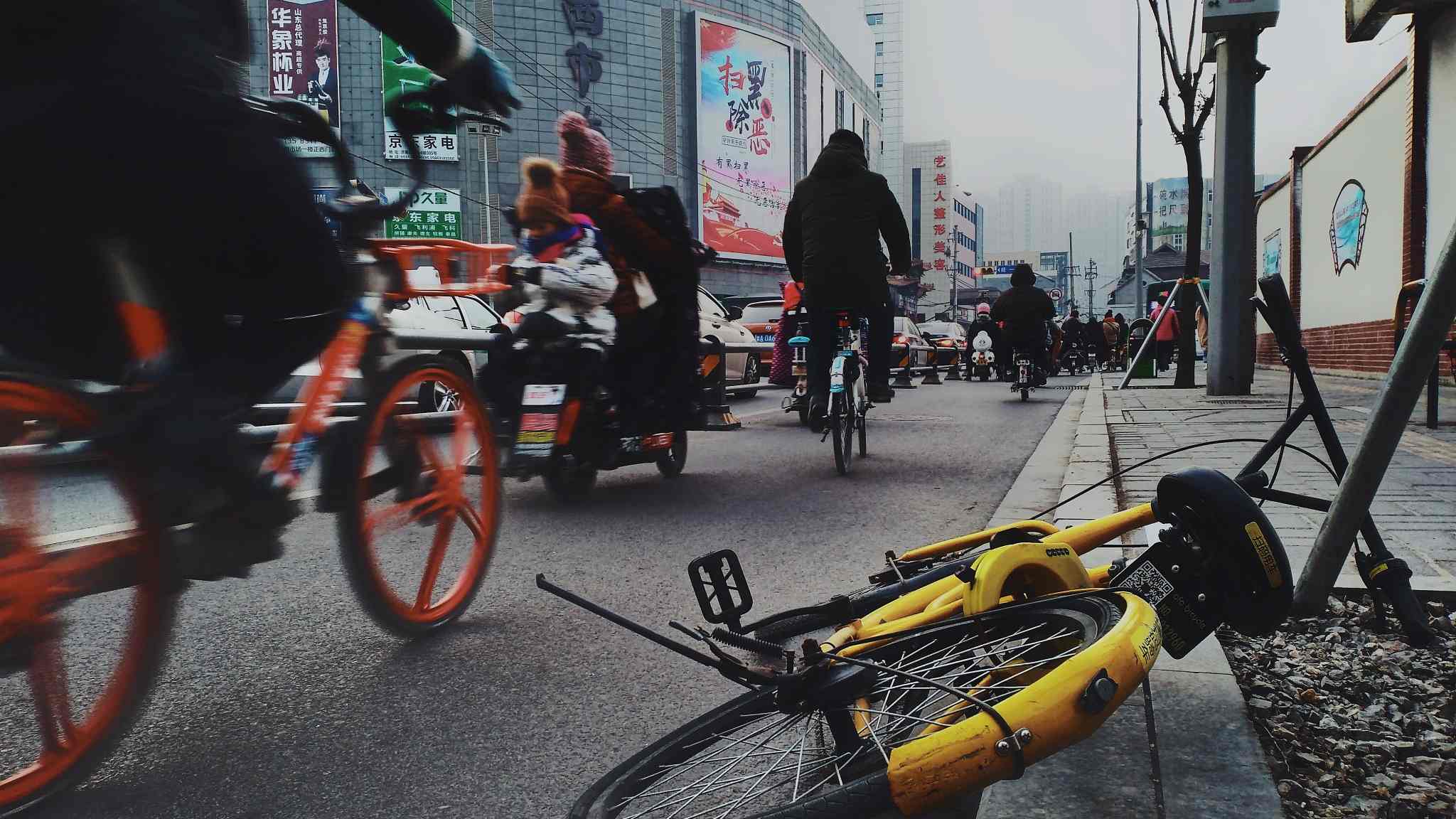
Dai Wei, the founder of struggling Chinese bike-sharing company ofo, has been hit by a spending restriction for failing to pay his debts, it emerged on Thursday.
According to a court order secured by the government on December 4 but just picked up by the media, both Dai and ofo received a ban on high-end consumption and unnecessary expenses beyond basic living and working needs.
The founder has been ordered to not take planes or high-speed trains, spend money on luxurious hotels or traveling, or send his children to expensive private schools.
There are also 20 instances of the company being issued with orders from the court.
Dai on Wednesday conceded that the service is on the brink of bankruptcy after a year of “immense” cash flow problems, days after reports emerged that millions of people are awaiting the return of their deposits.

ofo founder Dai Wei was hit with a consumption restriction order. /VCG Photo
ofo founder Dai Wei was hit with a consumption restriction order. /VCG Photo
In a message to ofo employees released Wednesday, the founder and CEO conceded that on numerous occasions he had considered “dissolving the company and applying for bankruptcy.”
Referencing ofo's debts and efforts to repay deposits to millions of users, Dai said that “to keep the company running we have to turn every yuan into three.”
On Monday morning, some ofo users arrived at the company's headquarters in Beijing, demanding the company repaid their deposits of between 99 and 199 yuan ( between 14 and 29 U.S. dollars).
Online, the “queue” of users awaiting the return of their deposits from the company has exceeded 10 million, with social media users posting screenshots showing the millions of users ahead of them in the refund process.

Ofo users line up outside the company's headquarters in Beijing to demand the return of their deposits, December 18, 2018. /VCG Photo
Ofo users line up outside the company's headquarters in Beijing to demand the return of their deposits, December 18, 2018. /VCG Photo
In October, ofo denied media reports that it was facing bankruptcy, with speculation that the company faced liabilities of about 6.5 billion yuan (932 million U.S. dollars), including 3.65 billion yuan of users' deposits and more than one billion in debt owed to suppliers.
One month later, users began reporting that the company was not returning deposits, and was instead directing customers to place their money into an online peer-to-peer lending scheme. Ofo again denied the reports, insisting its refund process was fully operational and that users could choose not to take part in the P2P scheme.
According to Dai's message, ofo had failed to “correctly assess the changing external environment from the end of last year.”
The company has received hundreds of millions of dollars in funding in recent years, with an 866-million-U.S.-dollar funding round completed earlier this year.
However, a failed overseas expansion strategy that saw ofo enter markets in Europe and the U.S. was just one factor in the company burning through funds. According to the Financial Times, ofo was burning through an estimated 25 million U.S. dollars each month earlier this year.
Rival bike-sharing firm Mobike has also withdrawn from overseas markets and was taken over by Meituan Dianping in April in a deal that looks to have secured its finances and values the company at 3.7 billion U.S. dollars.