
Asia Pacific
10:10, 25-Apr-2019
Well-to-do young bombers likely behind Sri Lankan carnage
Updated
12:10, 25-Apr-2019
 ["china"]
Share







Copied
Details began to emerge in Sri Lanka on Wednesday of a band of nine, well-educated Islamist suicide bombers, including a woman, from well-to-do families who slaughtered 359 people in Easter Sunday bomb attacks.
“Most of the bombers are well-educated, come from economically strong families. Some of them went abroad for studies,” junior defense minister Ruwan Wijewardene said at a news conference.
“One of them we know went to the UK, then went to Australia for a law degree. Foreign partners, including the UK, are helping us with those investigations.”
Two of the bombers were brothers, sons of a wealthy spice trader and pillar of the business community, a source close to the family said.
Intelligence officials and Prime Minister Ranil Wickremesinghe believe that Zahran, a Tamil-speaking preacher from the east of the Indian Ocean island country, may have been the mastermind.
He was well-known for his militant views and fiery Facebook posts, according to Muslim leaders and a Sri Lankan intelligence report issued.
The government suspects two Sri Lankan Islamist groups – the National Thawheed Jama'ut, of which Zahran was believed to have been a member, and Jammiyathul Millathu Ibrahim – were responsible, with outside help.
The Islamic State militant group claimed responsibility for the coordinated attacks on three churches and four hotels. If that connection is confirmed, the attacks look likely to be the deadliest ever linked to the group.
Lakshman Kiriella, the leader of parliament, said senior officials had deliberately withheld intelligence about possible attacks.
“The top brass security officials did not take appropriate actions,” Kiriella, who is also minister of public enterprise, told parliament.
He said information about possible attacks was received from Indian intelligence on April 4 and a Security Council meeting was chaired by President Maithripala Sirisena three days later, but it was not shared more widely.
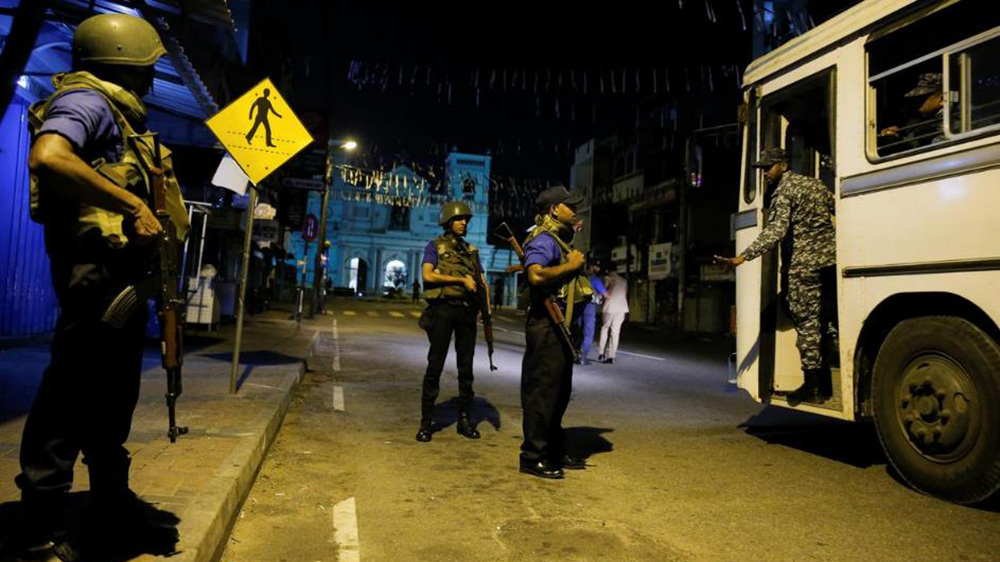
(Cover: Security forces stand guard at St. Anthony's Shrine, days after a string of suicide bomb attacks on churches and luxury hotels across the island on Easter Sunday, in Colombo, April 24, 2019. /Reuters Photo)
Source(s): Reuters