
Culture
19:59, 31-Aug-2018
A Youthful Perspective: Africa's natural splendor
Updated
19:20, 03-Sep-2018
 ["china"]
Share







Copied
03:05

When it comes to Africa, scorching deserts and meandering elephants are often the first things that come to mind, but there's certainly much more to the dynamic continent. Now, let's get a small taste of all the natural splendor Africa has to offer.

Screenshot via CGTN
Screenshot via CGTN
Africa enjoys a unique natural landscape. The world-famous Sahara desert is the source of many people's impression of the continent's searing heat and climate. The annual average temperature in Africa is 20 degrees Celsius, with the highest-ever recorded temperature being 58 degrees Celsius in Libya.

Screenshot via CGTN
Screenshot via CGTN
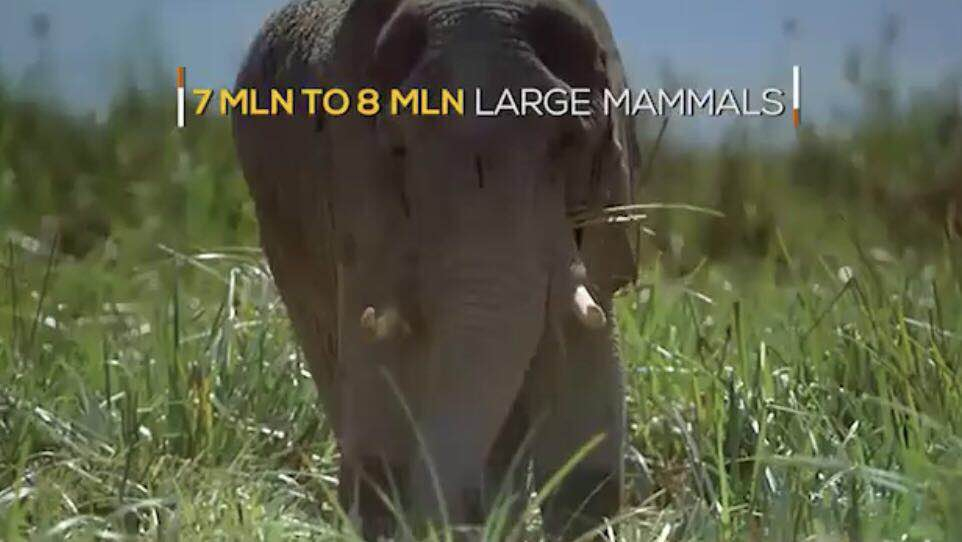
Africa boasts what is perhaps the world's largest combination of wild animal populations. There are seven to eight million large mammals: Ranging from carnivores like lions, hyenas, and cheetahs, to herbivores like buffalo, elephants, camels, and giraffes. The continent is also home to a variety of "jungle" creatures, including snakes, monkeys, and crocodiles.
Screenshot via CGTN
Screenshot via CGTN
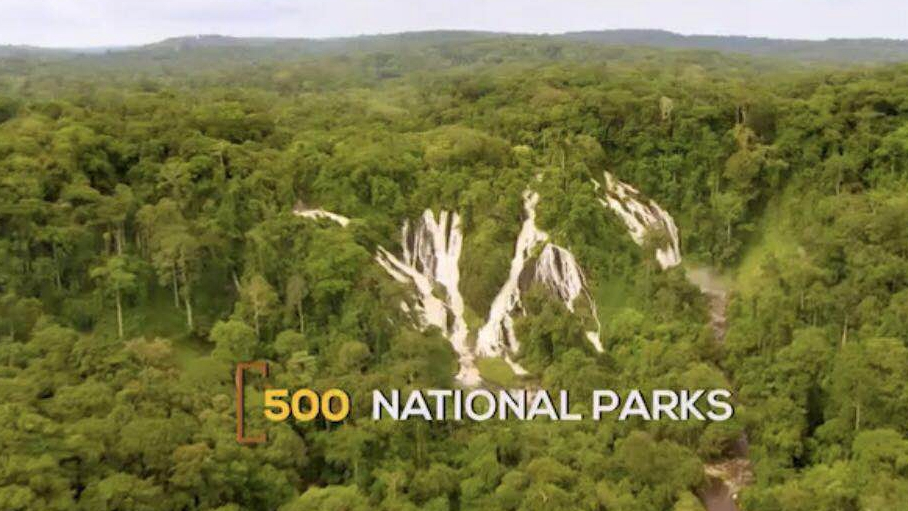
There are nearly 500 national parks in Africa. The Serengeti National Park in Tanzania covers more than 14,000 square kilometers - twice the size of the Chinese metropolis of Shanghai. The park is famous for its massive annual migration of over 1.5 million wildebeests.
Africa also has over 20,000 species of seed-producing plants. Trees make up 1,700 of those species, including acacias, albizia, large aloes and buddleia butterfly trees.
Screenshot via CGTN
Screenshot via CGTN
The continent has rich mineral resources, especially precious gems. The Democratic Republic of the Congo (DRC) holds the world's largest diamond reserves. And South Africa's Venetia mine contains more than 71 million carats of diamonds, making Africa well-deserving of its common nickname: "The shining land."

Screenshot via CGTN
Screenshot via CGTN
Nearly 40 million people traveled to Africa in 2017. Some of the most visited tourist attractions in Africa are South Africa's Cape Town, Mount Kilimanjaro in Tanzania, the Great Rift Valley in the continent's East, and Egypt's Pyramids and Valley of the Kings.