
Food
14:35, 10-Sep-2018
Fighting food fraud with technology
Updated
14:33, 13-Sep-2018
 ["china"]
Share







Copied

Researchers in Sydney are working on a way to give consumers more information about the food they buy and reduce the chance of food fraud.
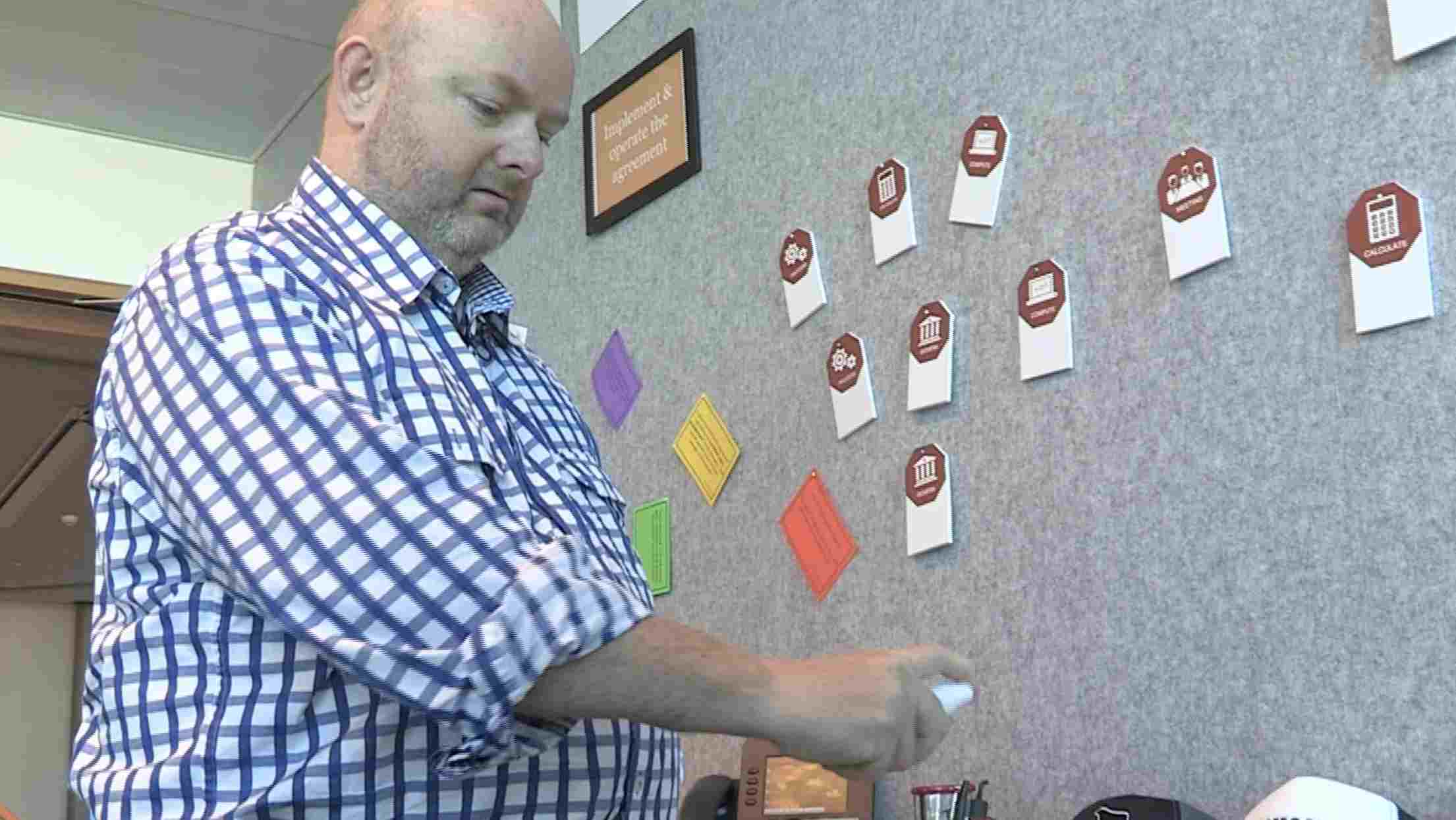
PwC National Agribusiness Leader Craig Heraghty /CGTN Photo
PwC National Agribusiness Leader Craig Heraghty /CGTN Photo
At PricewaterhouseCoopers, national agribusiness leader Craig Heraghty has been testing a method that involves spraying meat with a silicone dioxide marker that's invisible to the eye. That marker allows consumers to learn a variety of information about a given product.
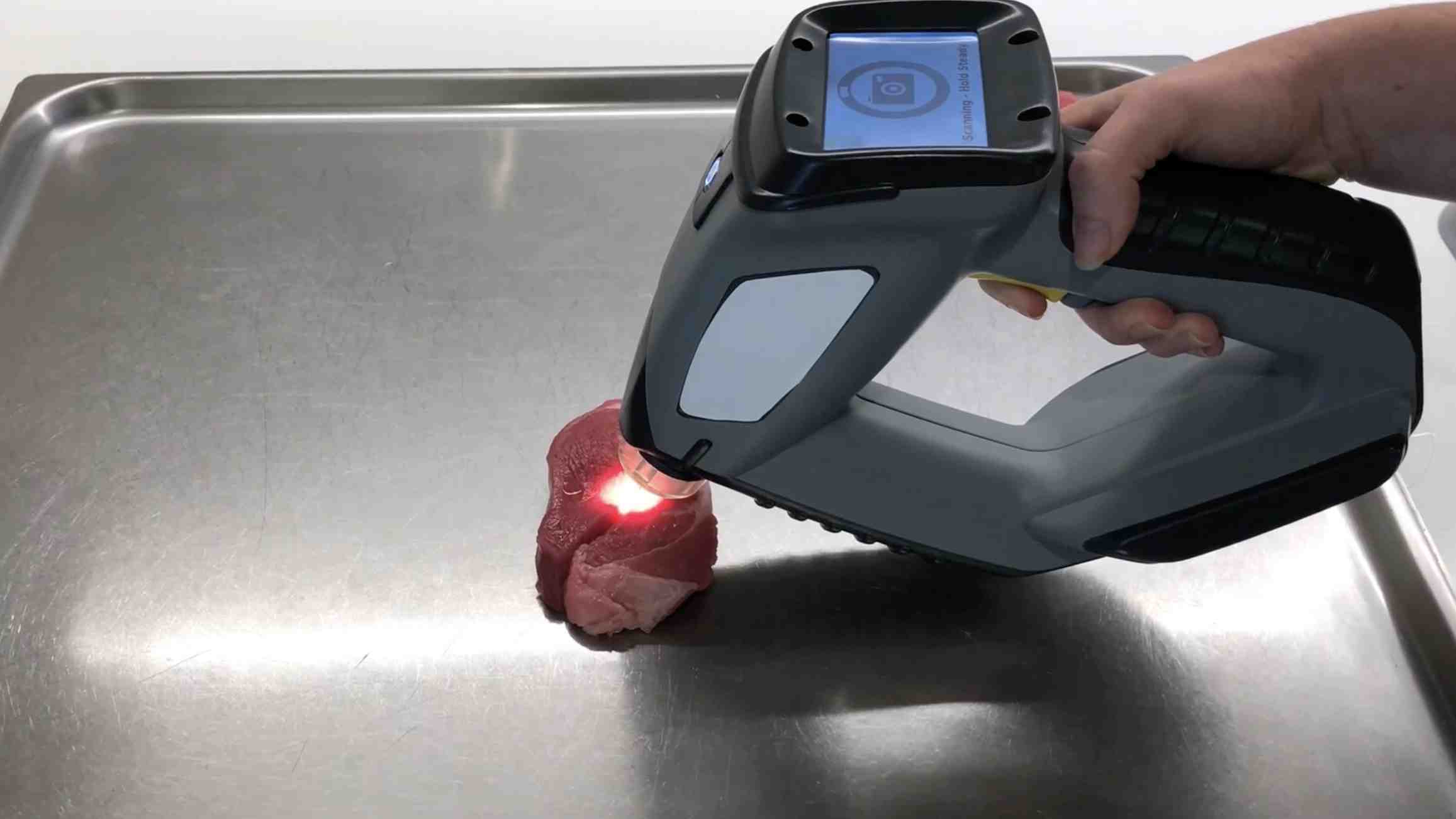
Scanning beef sprayed with a silicon dioxide marker /PwC Photo
Scanning beef sprayed with a silicon dioxide marker /PwC Photo
"Where it came from, how it was processed, does it have hormones, does it not have hormones, in the case of beef what breed was it, was it grain fed or was it grass fed," said Heraghty.
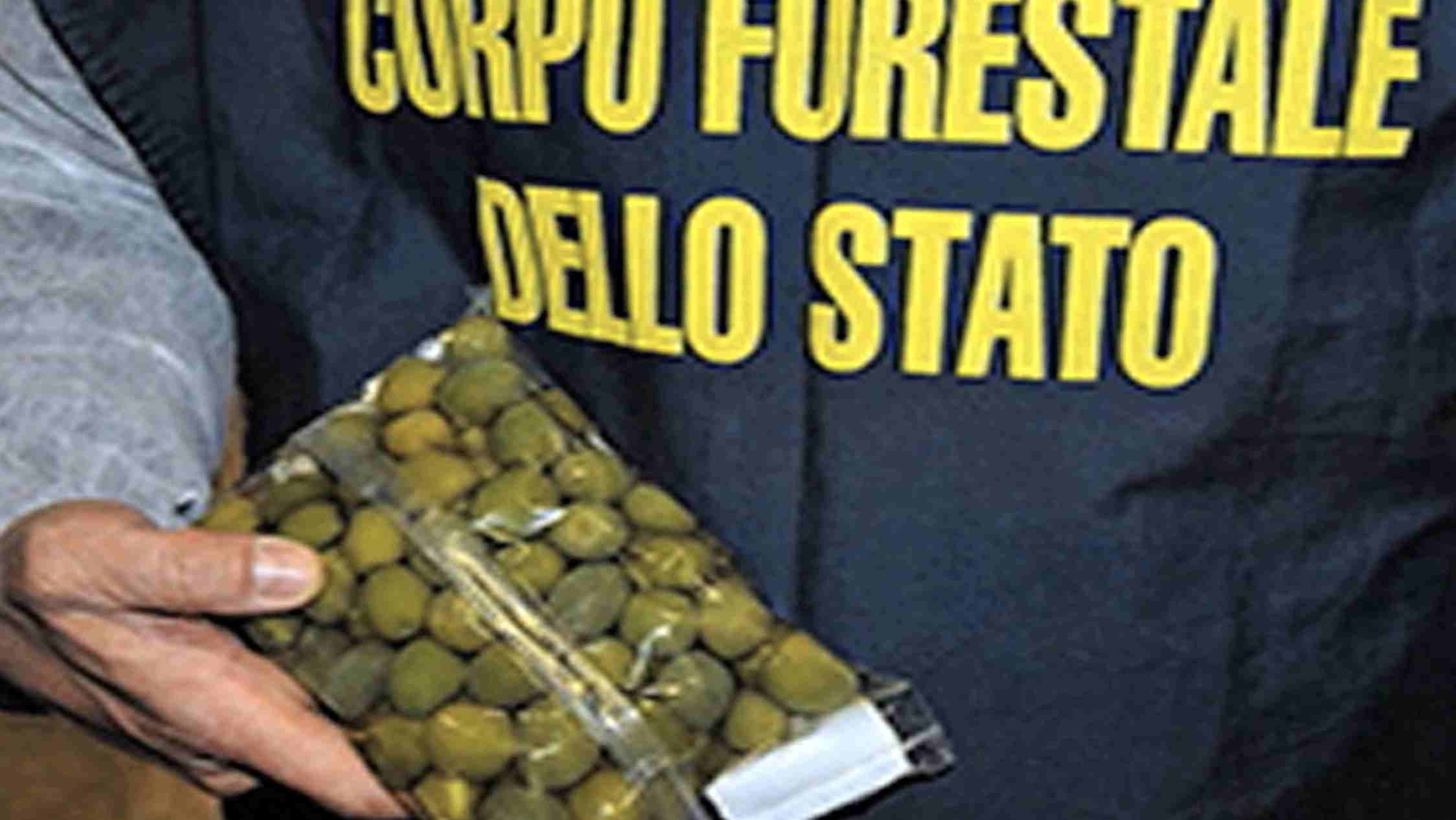
Olives painted with copper sulphate /Europol Photo
Olives painted with copper sulphate /Europol Photo
It's estimated that food fraud is a 50 billion US dollars global criminal industry, ranging from adulterated ingredients to inferior products. Experts say most of the time, consumers are unaware of what they are buying.
"If you look in your shopping trolley and you have got 100 products in there you have got maybe 10 that have been affected in some small way," said Food Fraud Advisers principal consultant Karen Constable.
Heraghty believes the technology, which should be available to consumers on packaging by the end of the year, will help food producers keep their word to consumers.
"If you are seen to be telling a lie about some of the stories that you wish to deliver to customers, that is brand suicide. As soon as you don't deliver on what you say, it is that brand dissolves," he said.