
China
23:36, 11-Sep-2018
'Mobilephobia': Teachers in China view classroom chat groups as a burden
Updated
23:16, 14-Sep-2018
 ["china"]
Share







Copied
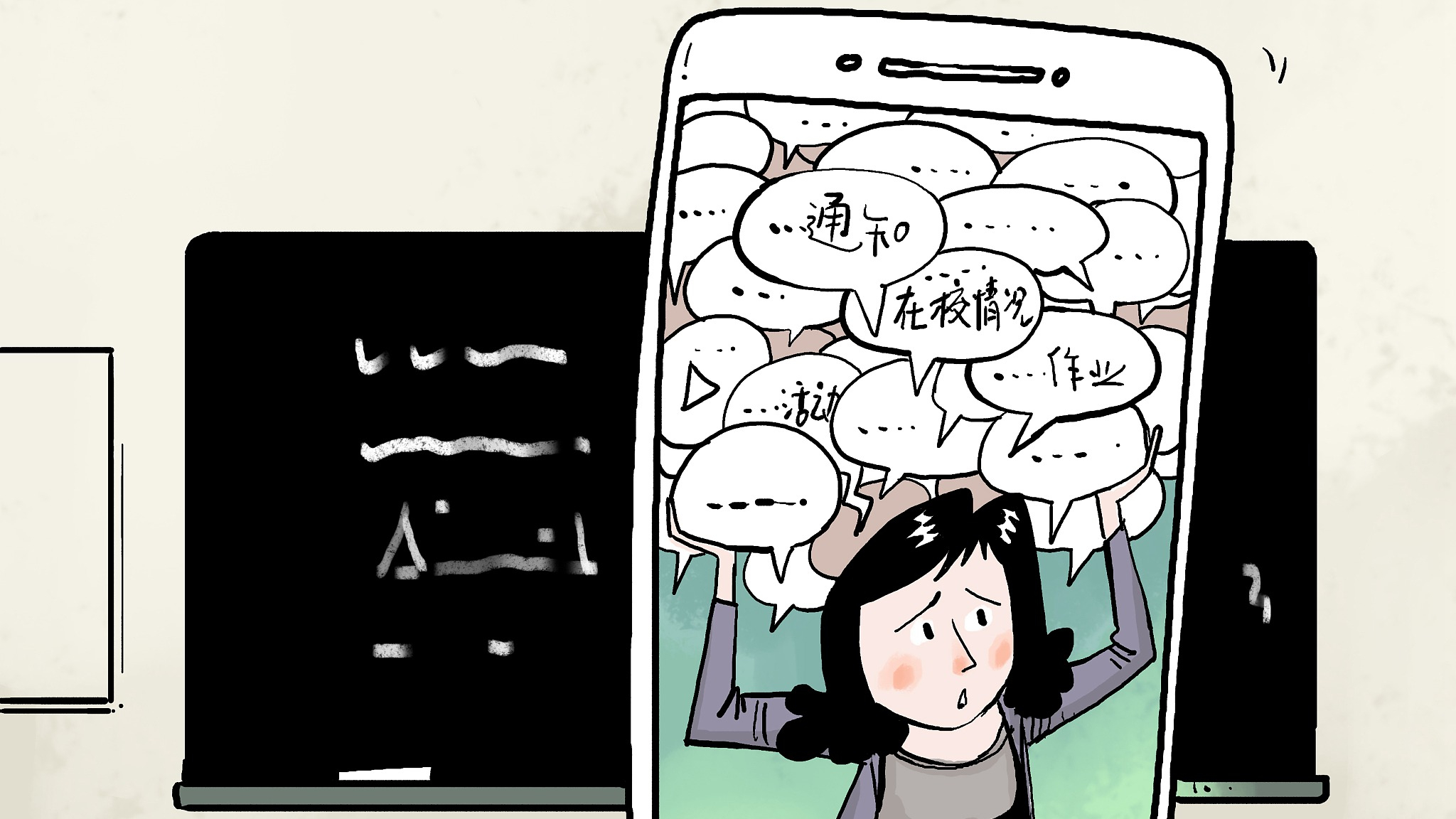
Most of the schools in China require teachers to set up parent-teacher WeChat groups in a bid to strengthen their relationships.
Although the groups greatly help narrow down the distance between teachers and parents, they can however, bring about trouble.
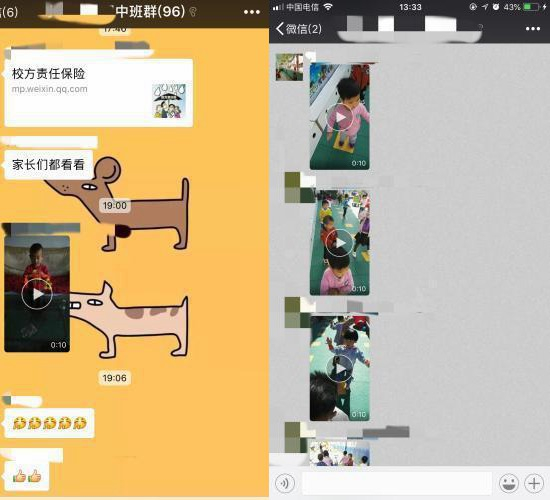
Screenshots of parent-teacher WeChat groups. /CNS Photo
Screenshots of parent-teacher WeChat groups. /CNS Photo
According to a report by Chinanews.com on Monday, China's Teacher's Day, managing WeChat groups has become a huge burden for many teachers as they have to spend a huge amount of time dealing with the constant message notifications. Some of them have even started to develop a phobia of mobile phones.
Zhao Juan and Chen Hong, two kindergarten teachers respectively from northwestern China's Gansu and eastern China's Jiangxi, found themselves busy shooting and sharing videos documenting students' nap times and play times every day, just to meet parents' eager observation demands.
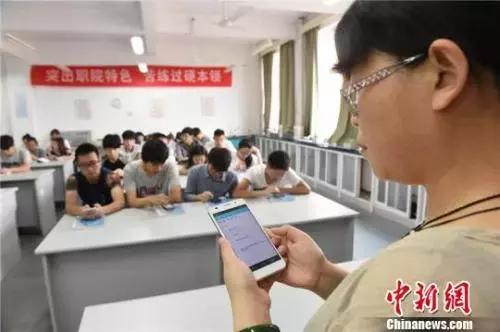
A teacher checks a WeChat message notification in a classroom. /CNS Photo
A teacher checks a WeChat message notification in a classroom. /CNS Photo
“Even if I have done so much, some parents will reach me though WeChat if they didn't see their children in the videos, reminding me to re-shoot a close-up video of their children,” Chen complained.
“Every time I post something to the group, there will instantly be compliments from parents, as they take every opportunity to impress the teacher,” Zhao said helplessly. Even more disappointing, some parents utilize the group for commercial purposes or asking for votes if their children are running for a prize or title.
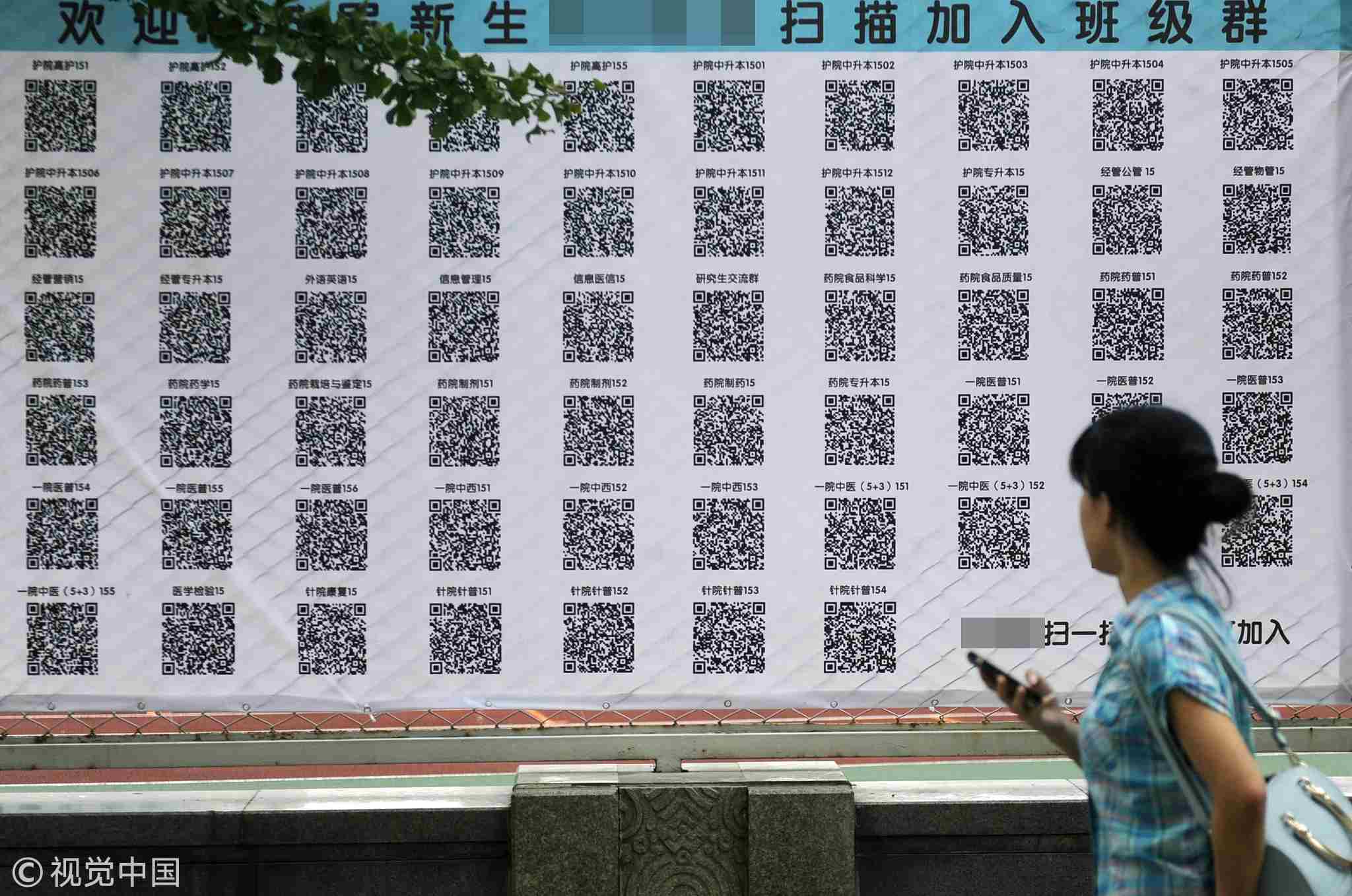
QR codes are displayed on a board for students to enter the class WeChat group at a school in northeastern China's Shenyang City, September 1, 2015. /VCG Photo
QR codes are displayed on a board for students to enter the class WeChat group at a school in northeastern China's Shenyang City, September 1, 2015. /VCG Photo
Besides the sycophantic behavior, what makes teachers feel more distracted and stressed is parents' overdramatic feedback.
When Liu Ming, a Beijing-based middle school teacher listed a student's flaws in math in the group to notify a father about his child's performance, the mad parent felt embarrassed and questioned the teacher's ability.
As these groups have become increasingly problematic, many local education departments have issued regulations to bring them under control.
A kindergarten in northeastern China's Dalian City recently set nine rules for parents, in effect banning all posts unrelated to students and schools, including advertising, flattering and disturbing behavior during teachers' work time.
Relationships within teacher-parent chat groups are subtle and complex. How can they prevent WeChat from being used as a platform that takes a negative turn and ends with feuds and disagreements? That should be an educational problem arousing society's attention.