
World
18:01, 17-Aug-2018
Lebanon's winners and losers from Turkey's currency crisis
Updated
17:19, 20-Aug-2018
 ["other"]
Share







Copied
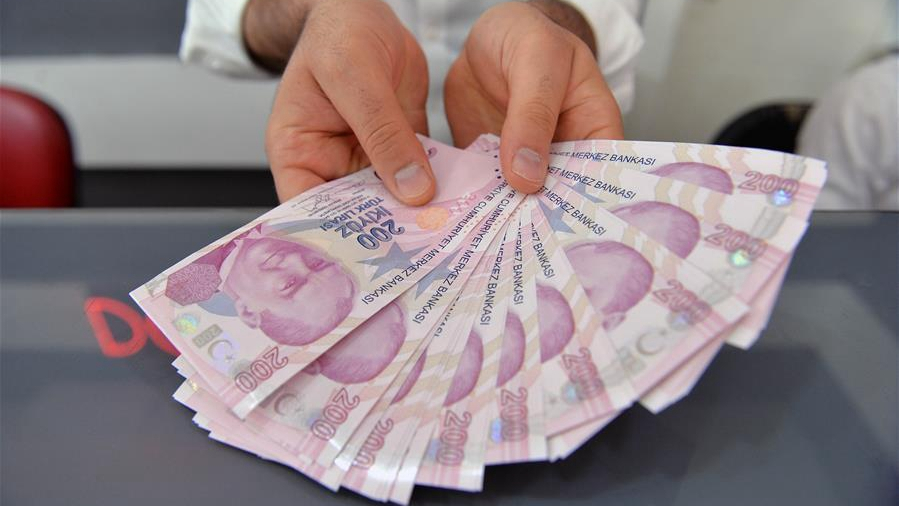
The Turkish lira is one of the worst performing currencies in 2018, having shed more than 45 percent of its value this year. Rising tensions between Ankara and Washington over the detention of US pastor Andrew Brunson in Turkey further exacerbated the crisis in recent weeks.
In nearby Lebanon, the lira has lost almost a third of its value against the Lebanese pound since the beginning of the year. Its fall further accelerated this week to 215.18 on Monday, before slightly recovering.
But someone’s misery is someone else’s fortune. The crumbling currency has sent shockwaves in markets around the world and triggered fears of contagion, all the while helping tourists in the country snatch their favorite luxury items at more affordable prices.
Who in Lebanon should be delighted by Turkey’s currency crisis, and who can possibly feeling the pinch?
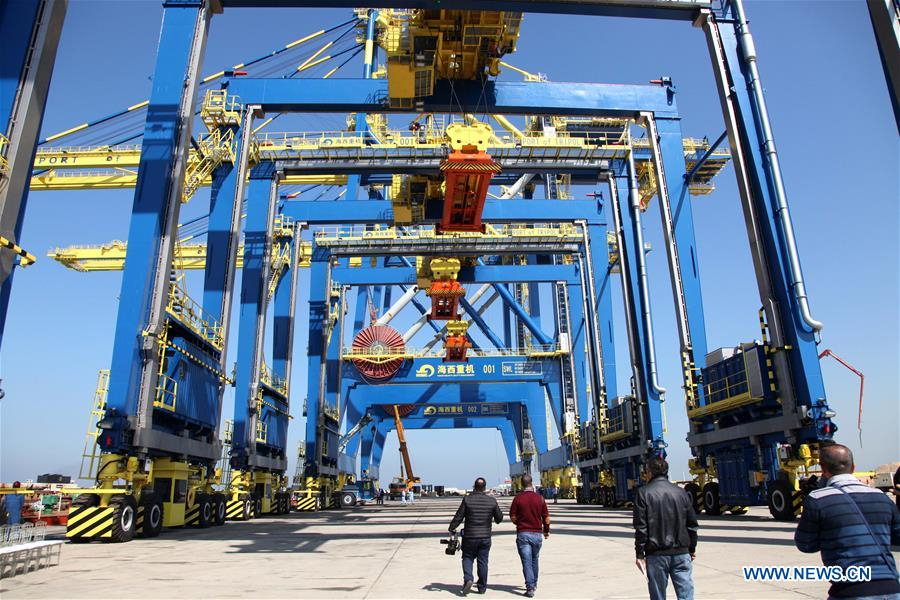
March 6, 2017: Tripoli port in Lebanon. /Xinhua Photo
March 6, 2017: Tripoli port in Lebanon. /Xinhua Photo
WINNERS
Traders
Turkey is Lebanon's fourth largest trading partner, according to the Directorate General for Trade of the European Commission. Lebanon’s imports from Turkey stood at 759 million euros (around 863 million US dollars), mostly foodstuff, clothes and aluminum, in 2017.
The volume of imported commodities eclipses what the small Mediterranean country exports to the neighboring G20 nation, which last year was valued at 175 million euros (199 million US dollars).
The depreciation of the Turkish lira means cheaper imports – and possibly fatter profits – for Lebanese traders. "Turkey is one of the main sources of imports for Lebanon so the drop in the Turkish lira will be to our advantage since Turkish imports will become cheaper," Nassib Ghobril, head of the Economic Research and Analysis Department at Byblos Bank, told Xinhua News Agency.
Tourists
Wonderlust-stricken Lebanese can take advantage of the tumbling lira to quench their thirst for traveling without burning a hole in their pocket.

April 18, 2016: A Tulip carpet in Istanbul, Turkey. /Xinhua Photo
April 18, 2016: A Tulip carpet in Istanbul, Turkey. /Xinhua Photo
Almost 300,000 holidaymakers from Lebanon head north every year for a short getaway in Turkey, taking advantage of the country's geographic proximity, relaxed visa requirements, and cultural diversity. With the depreciation of the lira, they will change less money to pay for their expenses.
LOSERS
Industrialists
The prospect of more shipments at lower price tags from Turkey to Lebanon has raised concerns over the consequences on Lebanese manufacturers who say they are already at a disadvantage because of subsidized imports on the market.
"The industrial sector in Lebanon would be impacted negatively (by cheaper Turkish products) because it is not protected, and as a result, a number of factories could close their doors because they cannot compete with cheap Turkish goods," Mohammad Noureddine, an expert on Turkish affairs, told Lebanese broadcaster Al-Manar.
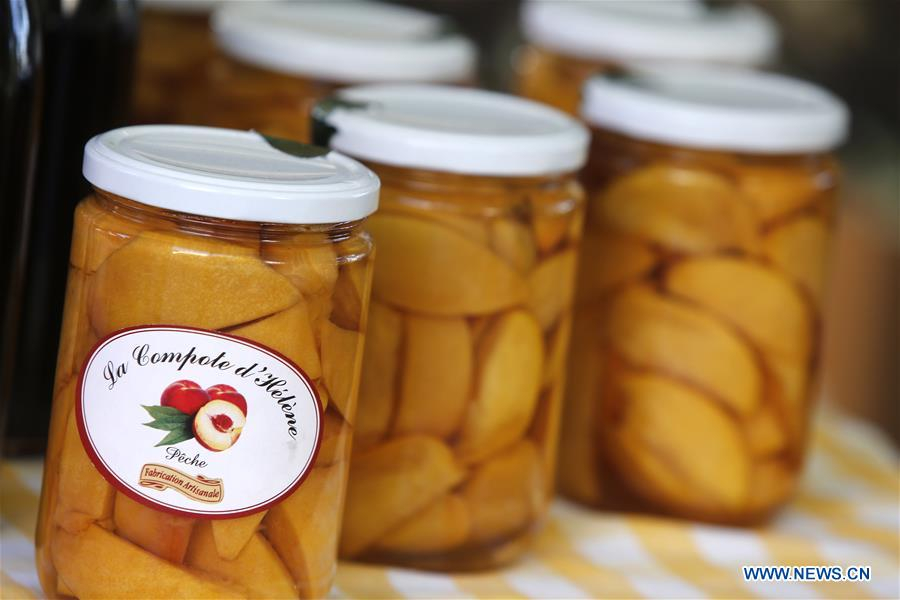
Peach products on display during Bikfaya Peach Festival in Bikfaya, northeast of Beirut, July 5, 2018. /Xinhua Photo
Peach products on display during Bikfaya Peach Festival in Bikfaya, northeast of Beirut, July 5, 2018. /Xinhua Photo
The Lebanese government moved earlier this year to assuage industrialists' fears, announcing in May a series of measures targeting Turkish products to help boost the local industrial sector. Turkish biscuits and wafers, which make up 51 percent of Lebanon’s cookie imports, and detergents, which grew by 55 percent year-on-year in 2016, were banned, along with bulgur, a whole grain that is indispensable for traditional Lebanese salad, tabbouleh. Restrictions were also imposed on Turkish paper, carton and clothes.
The decision will affect about 30 million US dollars' worth of Turkish imports, according to caretaker Economy and Trade Minister Raed Khoury – a value Lebanese authorities said was paltry in comparison with the total trade volume between the two countries.
Exporters
In the first four months of this year, Lebanese exports to Turkey grew by 56.5 percent from the same period in 2017, customs data showed. However, with the Turkish lira sinking, Lebanese products have reportedly increased threefold against the purchasing power of Turks.
"Exports from Lebanon to Turkey will drop because they will become more expensive," Ghobril told Xinhua.
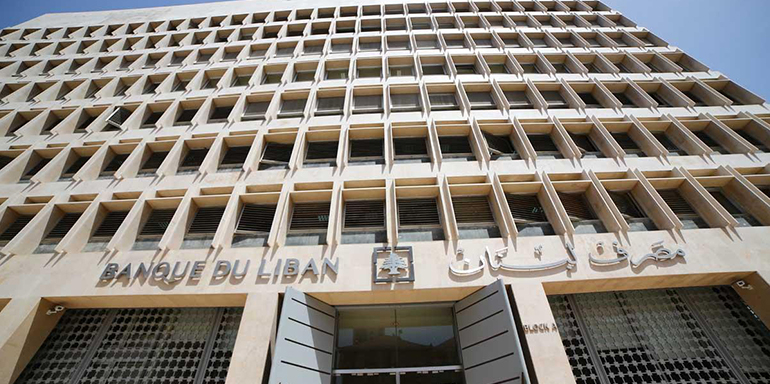
Lebanon's central bank. /Photo via Finance Bank
Lebanon's central bank. /Photo via Finance Bank
Banks
Turkish banks and foreign banks operating in Turkey are also feeling the heat, and branches of Lebanese banks in Turkey might not be immune. That's because many of the Turkish companies borrow in foreign currencies, and with a weak lira, concerns are mounting over whether they would be able to pay back their debt. Lebanese media reported that the country's central bank is monitoring the developments through the Association of Banks in Lebanon to avoid any impact.
Lebanon could also see capital outflows to the neighboring country if Turkish authorities offer further incentives to attract foreign investment.
(Cover photo: A money changer counts Turkish lira banknotes at a currency exchange office in Ankara, Turkey, August 10, 2018. /Xinhua Photo)