
Politics
21:44, 08-Aug-2018
Germany defends business with Iran in face of US threats
Updated
21:06, 11-Aug-2018
 ["china"]
Share






Copied
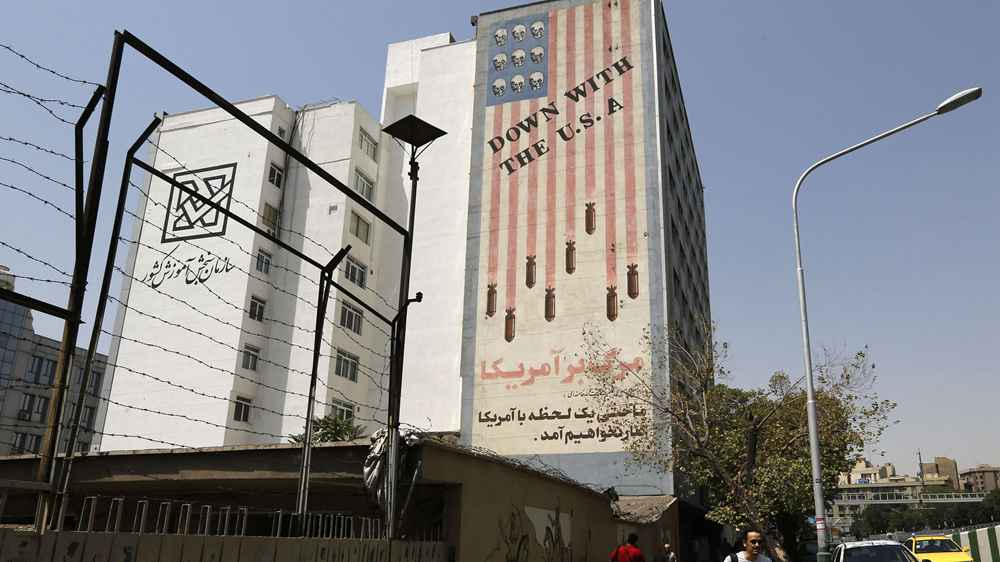
Germany defended their business ties with Iran on Wednesday in the face of US President Donald Trump's warning that any companies trading with the Islamic Republic would be barred from the United States.
The comments from Berlin signaled growing anger from partners of the United States, which re-imposed strict sanctions against Iran on Tuesday, over its threat to penalize businesses from third countries that continue to operate there.
The German government said US sanctions against Iran that have an extra-territorial effect violate international law, and Germany expects Washington to consider European interests when coming up with such sanctions.
Meanwhile, German Foreign Minister Heiko Maas warned Wednesday that the re-imposition of the US sanctions on Iran could further destabilize the Middle East and boost radical forces in the region.
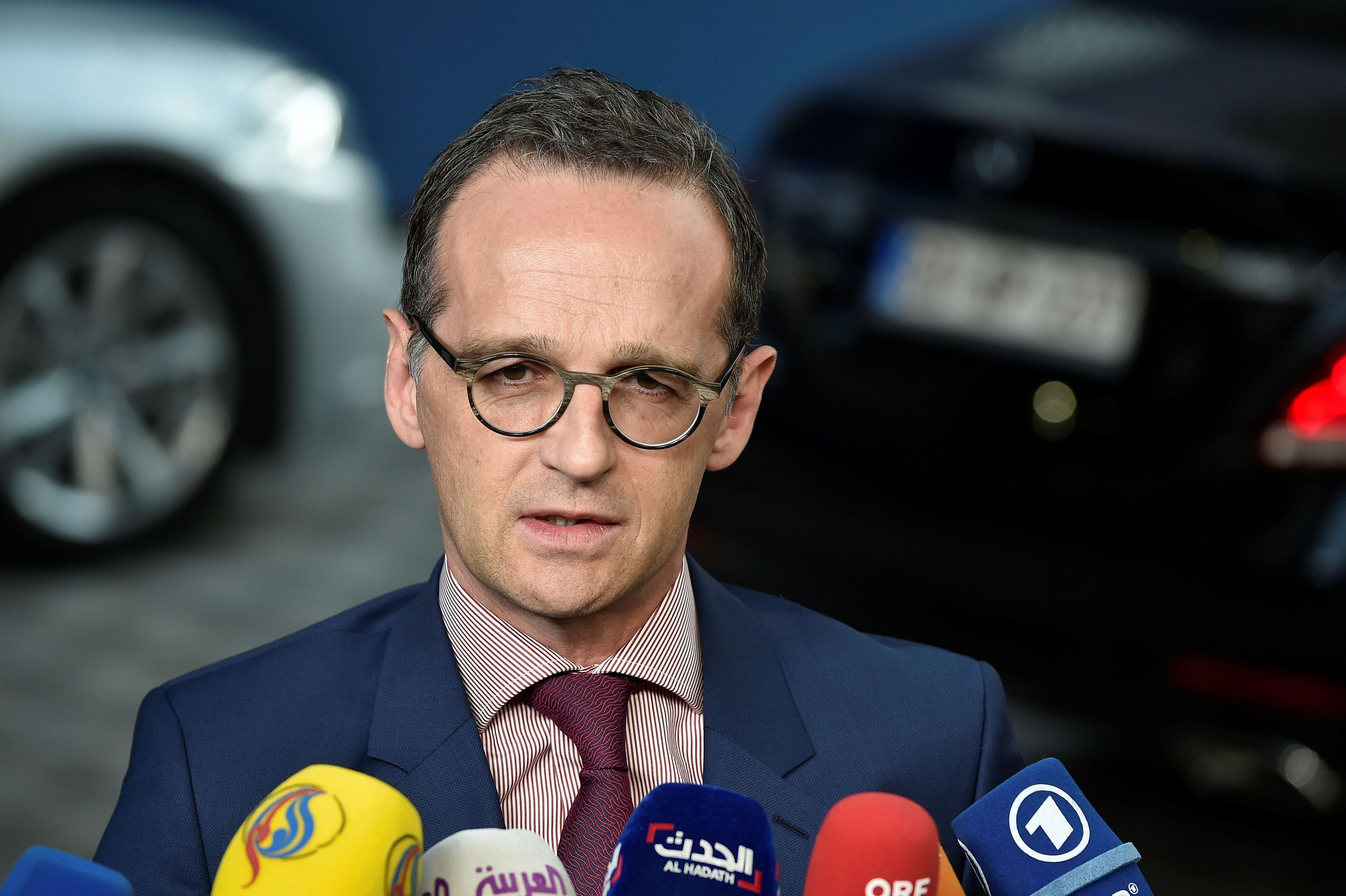
German Foreign Minister Heiko Maas answers journalists' questions before a ministerial meeting of EU/E3 and EU/E3 with Iran at the EU headquarters in Brussels, Belgium, May 15, 2018. /VCG Photo
German Foreign Minister Heiko Maas answers journalists' questions before a ministerial meeting of EU/E3 and EU/E3 with Iran at the EU headquarters in Brussels, Belgium, May 15, 2018. /VCG Photo
Trump brought back the punishing sanctions after unilaterally pulling out of a landmark 2015 deal between Tehran and Western powers to halt Iran's nuclear ambitions.
"We still think that it is a mistake to give up on the nuclear accord with Iran," Maas said in an interview with the daily Passauer Neue Presse.
"We are fighting for the deal because it also serves our purpose by bringing about security and transparency in the region."
Noting Iran's geographic proximity to Europe, Maas warned that "anyone who's hoping for regime change must not forget that whatever follows could bring us much bigger problems."
"Isolating Iran could boost radical and fundamentalist forces," he said, adding that "chaos in Iran, as we have experienced in Iraq or Libya, would further destabilize an already troubled region."
Europeans withdraw
European countries, hoping to persuade Tehran to continue to respect the deal, have promised to try to lessen the blow of sanctions and to urge their firms not to pull out.
But that has proved difficult: European companies have quit Iran, arguing that they cannot risk their US business.
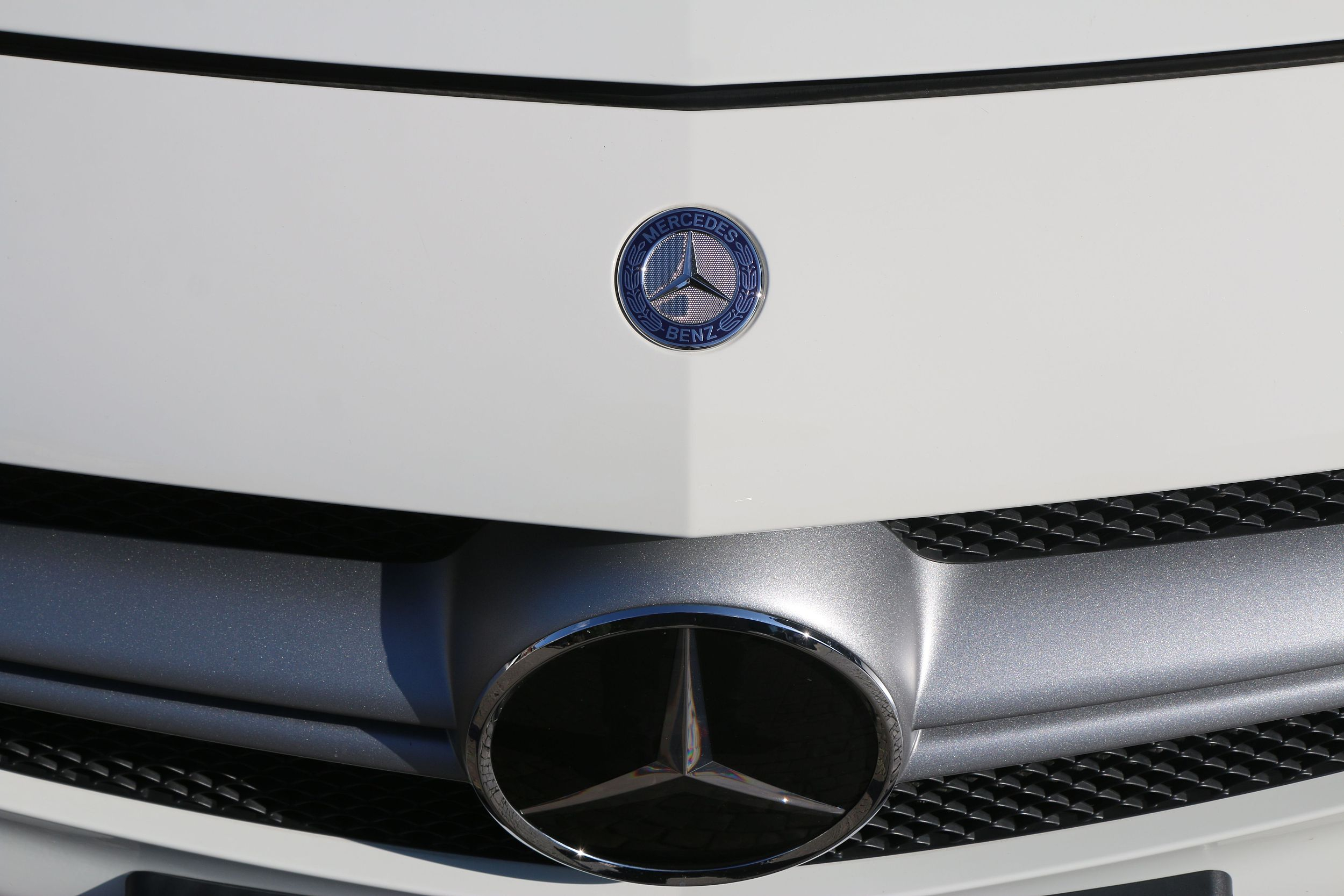
German automaker Daimler on August 7, 2018 said it was halting its business activities in Iran after the United States re-imposed sanctions on Tehran.
German automaker Daimler on August 7, 2018 said it was halting its business activities in Iran after the United States re-imposed sanctions on Tehran.
Among those that have suspended plans to invest in Iran are France's oil major Total, its big carmakers PSA and Renault, and their German rival Daimler.
Danish engineering company Haldor Topsoe, one of the world's leading industrial catalyst producers, said on Wednesday it would cut around 200 jobs from its workforce of 2,700 due to the new US sanctions on Iran, which made it very hard for its customers there to finance new projects.
The chief executive of reinsurance group Munich Re said it may abandon its Iran business under pressure from the United States, but described the operation as very small.
Turkey, however, said it would continue to buy natural gas from Iran.
'Simplistic idea'
In Tehran, Iranian Foreign Minister Mohammad Javad Zarif was quoted by an Iranian newspaper as saying that a US plan to reduce Iran's oil exports to zero would not succeed.
US officials have said in recent weeks that they aim to pressure countries to stop buying oil from Iran in a bid to force Tehran to halt its nuclear and missile programs and involvement in regional conflicts in Syria and Iraq.
"If the Americans want to keep this simplistic and impossible idea in their minds they should also know its consequences," Zarif told the Iran newspaper.
"They can’t think that Iran won’t export oil and others will export."
(Cover: Iranians walk by a mural painting of a US flag depicting skulls in place of the stars at Karim Khan Zand Avenue in downtown Tehran, Iran, August 7, 2018. /VCG Photo)
Source(s): AFP
,Reuters