
Opinion
15:38, 26-Apr-2019
The Belt and Road Initiative confronts its challenges
 ["china"]
Share







Copied
Editor's note: Tom Fowdy is a British political and international relations analyst and a graduate of Durham and Oxford universities. He writes on topics pertaining to China, the DPRK, Britain and the U.S. The article reflects the author's opinion, and not necessarily the views of CGTN.
On Friday morning, Chinese President Xi Jinping commenced the second Belt and Road Forum for International Cooperation in Beijing with a keynote speech. Hosting an audience of nearly 40 leaders from around the world and hundreds more officials and representatives, Xi spoke of the projects value and also sought to address concerns surrounding the project. In particular, he pledged greater openness and transparency for the initiative, a greater emphasis upon environmentalism and also reassurances that it is not a “closed club” with geopolitical or hegemonic motivations.
What the speech underlines is that the Belt and Road Initiative (BRI) is not a static, unchanging or rigid project, but it is one which is adaptable and attentive to the international context to which it operates in. Given this, to paint it as an act of revising or reshaping the international order is misleading, Xi's emphasis on multilateral cooperation with the BRI is a reminder that it strives to operate within, than contrary to the international order. As the project grows, China is likely to move to iron out the project's mistakes and less appealing aspects in order to continue its global appeal.
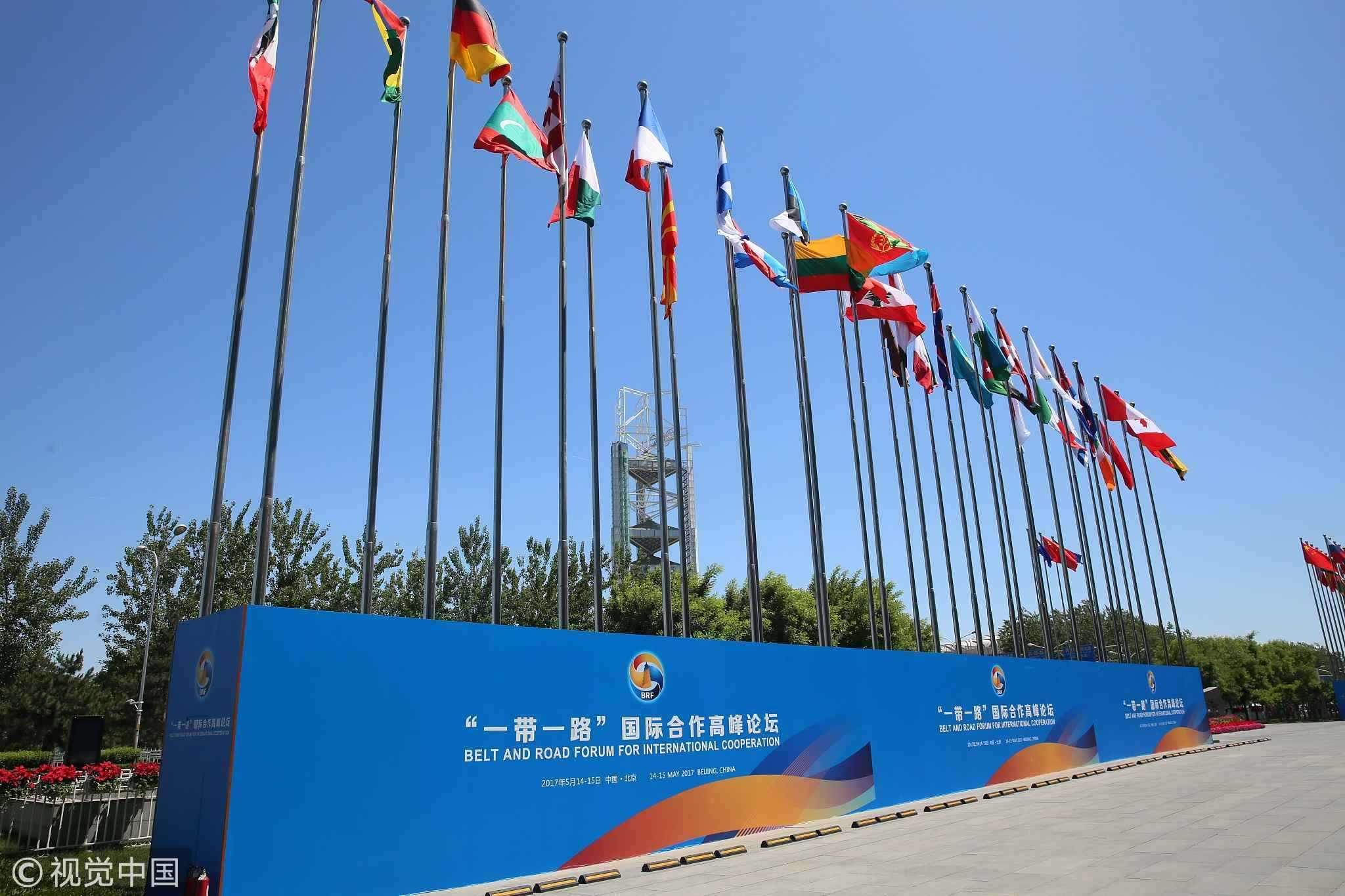
The first Belt and Road Forum for International Cooperation held in Beijing, May 2017. /VCG Photo
The first Belt and Road Forum for International Cooperation held in Beijing, May 2017. /VCG Photo
First of all, what is Belt and Road really all about? As I have noted before, the project is a response to the pressing needs of globalization. No longer are businesses and markets solely rooted within one set of borders, but they are of an increasingly transnational nature, companies connect nations and people.
In order to succeed in today's world, leaders need to increasingly need to look beyond their borders and cooperate with others in order to facilitate conditions that make sustained economic growth possible. Being so tightly reliant upon the wider global economy, China cannot ignore the economic health of those around it in line with its own goals and preferences.
Thus the BRI has been born not only to help propel China forwards into prosperity, but also others too in the recognition of such structural interdependence. But of course, this brings some considerations too for Beijing. If the BRI is to be successful, then such success can only be secured within a multilateral, than a unilateral setting; a key theme present within Xi's speech.
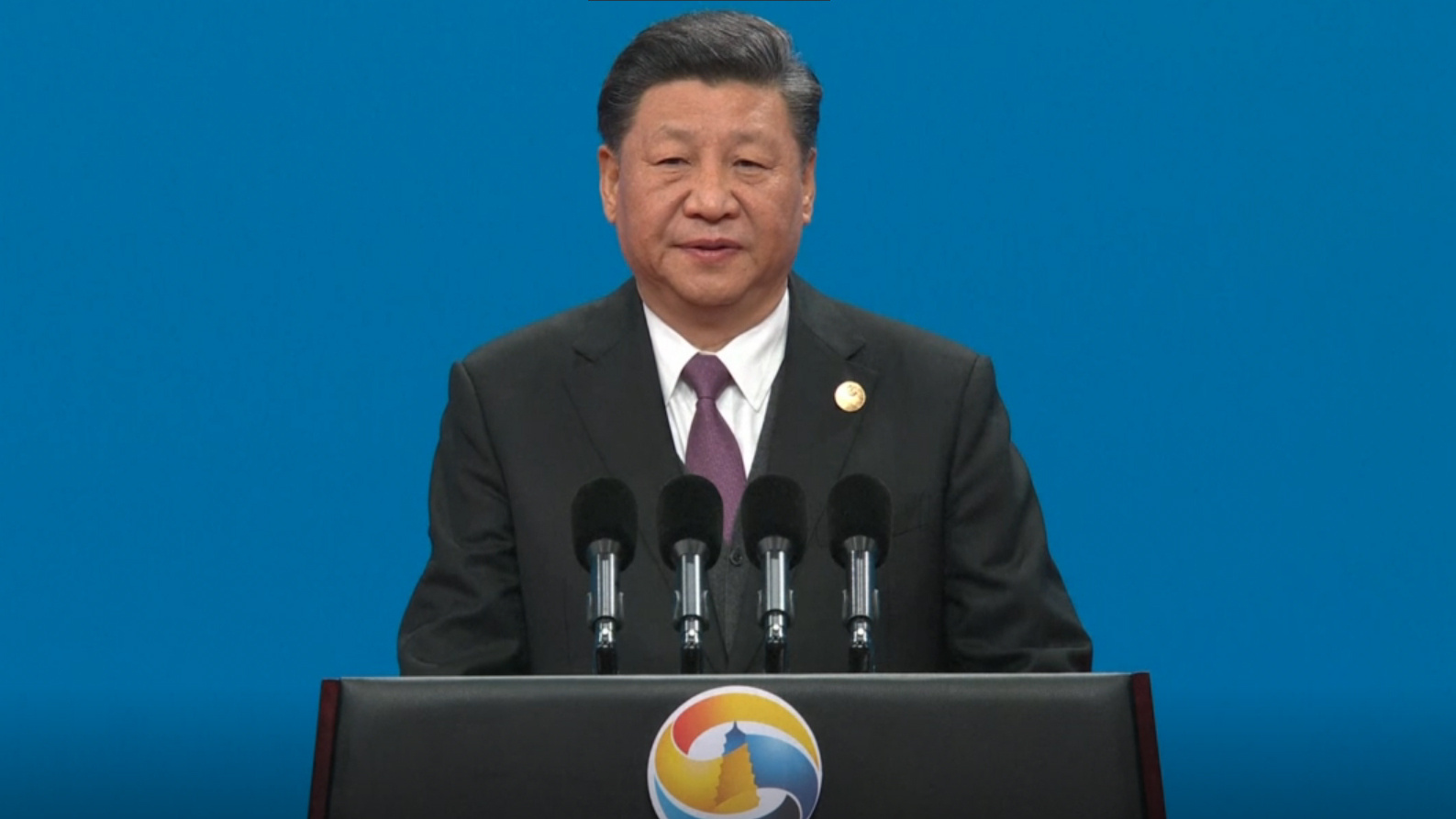
Chinese President Xi Jinping is delivering a speech at the second Belt and Road Forum for International Cooperation in Beijing on April 26th. /CGTN Photo
Chinese President Xi Jinping is delivering a speech at the second Belt and Road Forum for International Cooperation in Beijing on April 26th. /CGTN Photo
Despite the administration in Washington and the mainstream media striving to paint the initiative in negative unilateral terms, accusing it of being a power project or for pursuing hegemony, China is nevertheless aware that the BRI cannot work without sufficient cooperation between the countries involved. Now this does not mean the project is perfect, or that there have been no pressing issues, concerns or points of improvement, but nevertheless the recognition that it is not designed to be a “one way street” is very much there.
Given this, the projects critics should note that the BRI is not designed to overturn the international order or to build one within China's image, but to work within the status quo accordingly. By moving to address international criticism of the initiative and also committing to improving its quality in line with concerns, Xi Jinping is signalling that China is offering an adaptable, pragmatic and evolutionary approach to it all. In every sense, Beijing is willing to learn from its mistakes, negotiate more flexibly with the countries involved and improve the standards of the project overall in doing so.
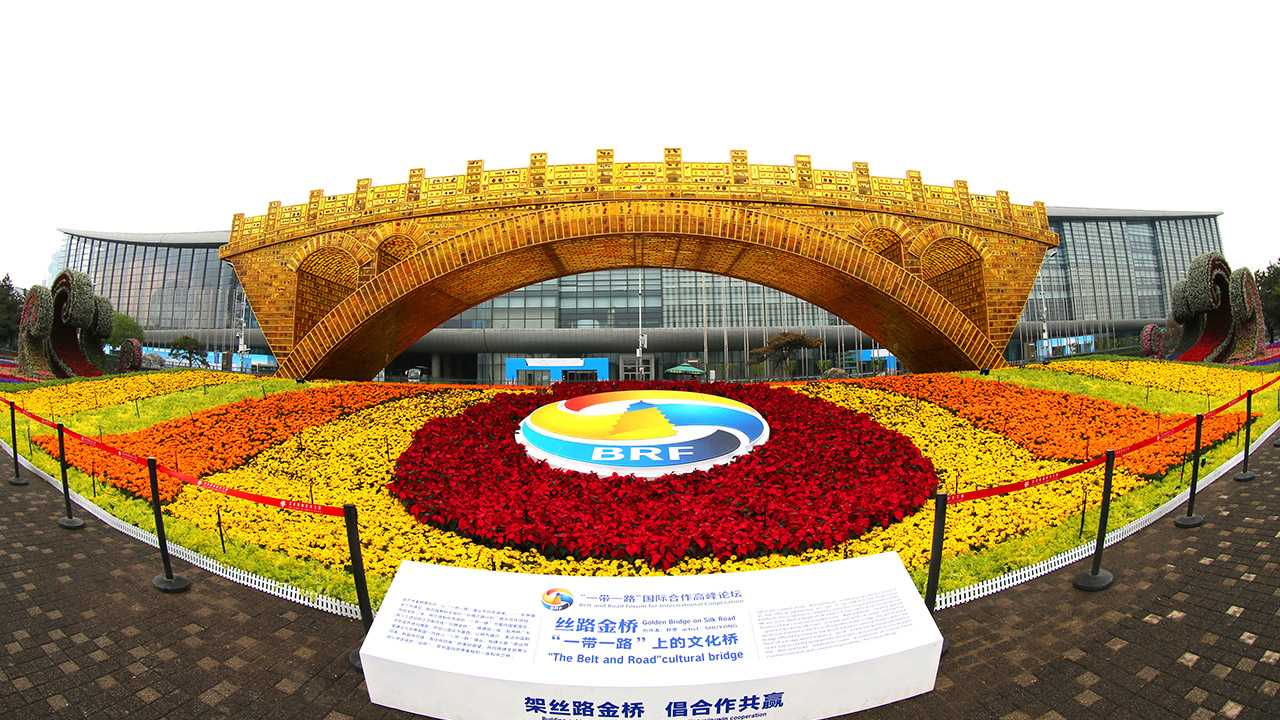
Belt and Road landscape sculpture in Beijing. /VCG Photo
Belt and Road landscape sculpture in Beijing. /VCG Photo
As a result, the mis-portrayal of the project in very general discourses as being rigid, hegemonic, imposing and inflexible are not helpful in an earnest assessment of it or for that matter, where it is going. This is not about conquest. Instead, China's contemporary foreign policy is placing increasing value upon interdependence, economic transnationalism, continued development and multilateralism.
Ultimately, the BRI is envisioned to be a global solution to global challenges and as a result, China is prepared to rise up and refine itself accordingly to meet those challenges. With so many countries placing their political capital on benefitting from this project, Beijing isn't about to get it wrong and push people away. Thus, Xi's message was very clear: It is a project that ultimately wants to cooperate, rather than coerce.
(If you want to contribute and have specific expertise, please contact us at opinions@cgtn.com)