
Business
21:05, 11-Oct-2018
Expert: US treasury bond not the safe haven asset for this round of market crash
Updated
20:52, 14-Oct-2018
 ["china"]
Share







Copied
04:05

US stock plunge is deemed as the start for a new round of correction and US Treasury may not be the safe haven asset this time, according to Hong Hao, Head of Research at Bank of Communications International.
US 10-year yields touched multi-year highs at over 3.25 percent this week and although yields did pare back a bit, investors are still concerned about what a rising rate environment may do to the equity markets.
"Now we are experiencing correction," Hong said. In the meantime, he warned that as the stock prices of American tech companies are still at high levels, the market correction for the US market starts.
00:57
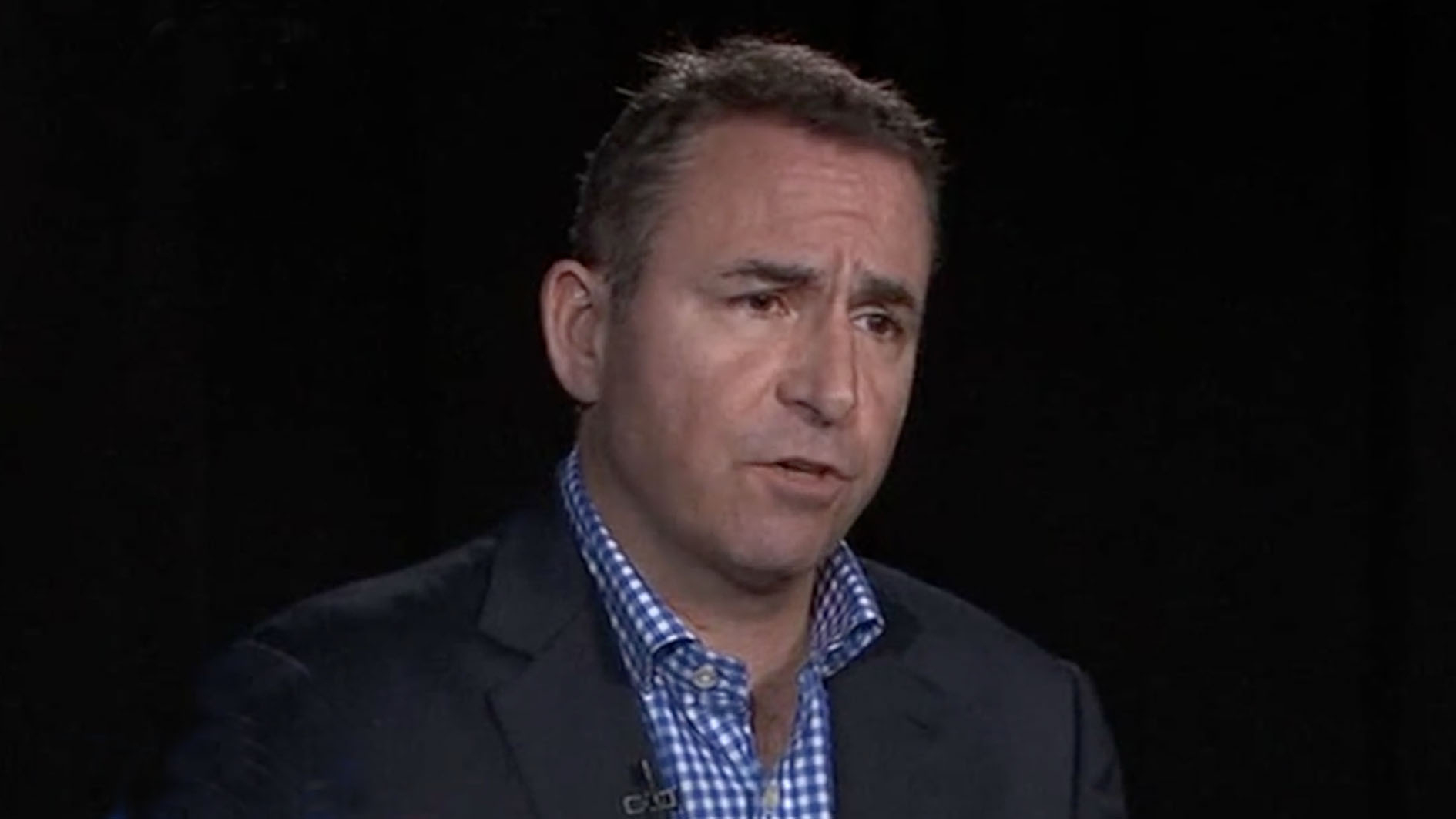
Ross Gerber, President and CEO of Gerber Kawasaki Wealth, said the market should digest the move on bond yield, adding "it's a new paradigm for the stock market and real estate market that have been used to even sub-two percent rates for quite some time."
Hong considered this round of market crash more challenging than the one in February this year when the Dow Jones Industrial Average plummeted more than 3,200 points, or 12 percent, in just two weeks.
"What's different about this time is really that safe haven asset, which is the US Treasury bonds, actually is still at the low yield. So the cushion, we used to be able to have when the market is plunging, is somehow diminishing a little bit. So I would say that the round this time is a more challenging situation… the US bond is still expensive. I think, for now, it's a little difficult to see what the safe haven could be when the market plunge continues," Hong said.
And Alice Young, Managing Director for Global Market Research at FTSE Russell, noted that people are more concerned about how high the rate could get than what the exact number it has now got.
He also stressed that “if the economy stays strong and inflation continues to creep up and the Fed keeps raising rates, you know, that is going to eventually lead to a recession which could be bad news for stocks."
Hong shared a similar opinion. "Normally, the stock market tends to correct or slow down before the real economy. So I guess that is what we've seen right now. The stock market is trying to reflect what is going to happen in the real economy, which is a slowdown in growth rate."