
Tech & Sci
12:17, 02-May-2018
What happens when a rice grower and a wheat grower enters a cafe in China?
 ["china"]
Share







Copied
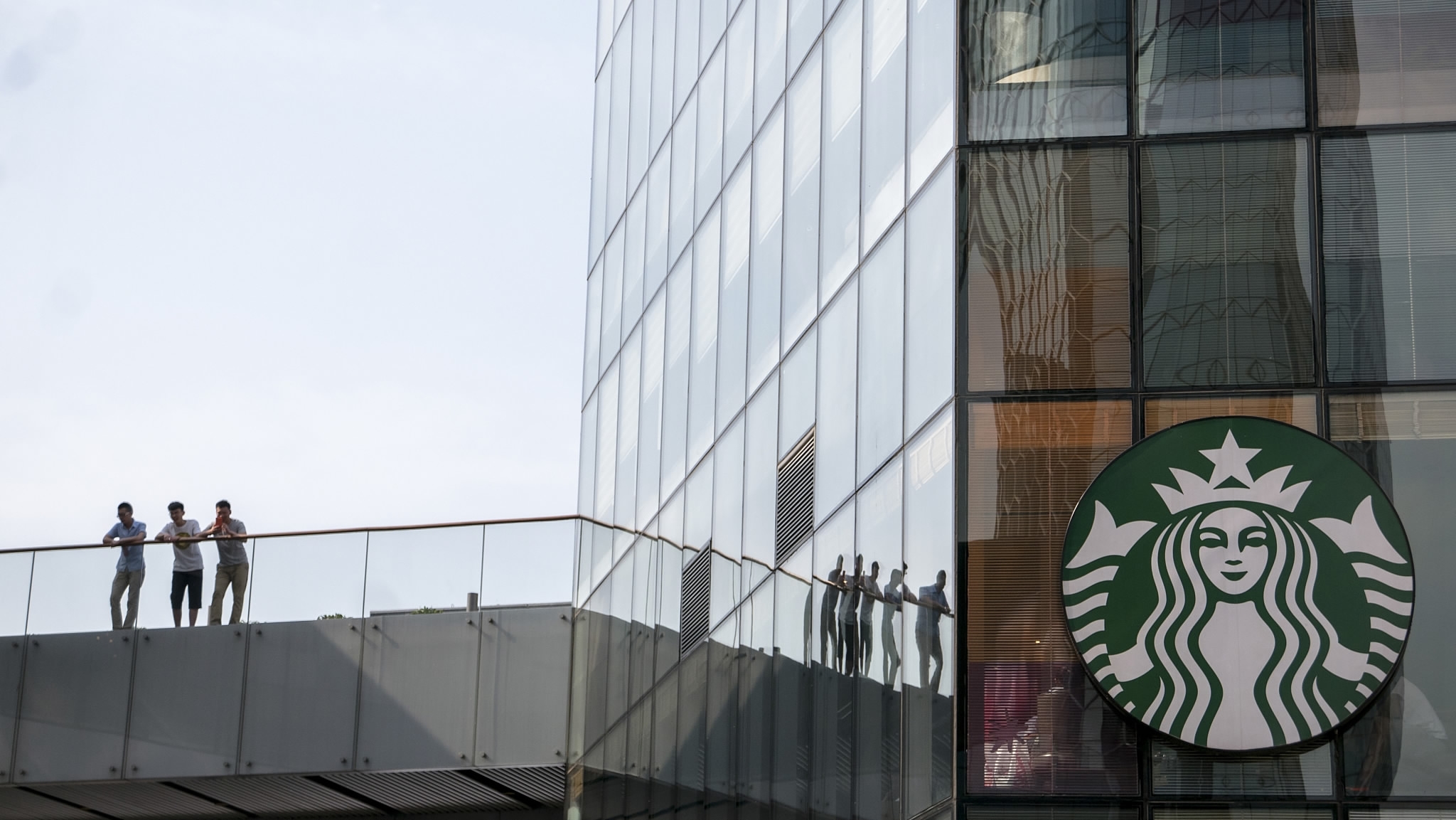
Imagine trying to find a seat in a coffee shop and finding chairs blocking your way. Would you squeeze through or move the chairs out of your path? The reactions to this social experiment in parts of China revealed the cultural divide between wheat and rice growers in Chinese society, a study claims.
People in northern China grow wheat and millet, whereas people in southern China farm rice. While rice cultivation is a collective activity, wheat farming is more solitary leading to very different lifestyle traits between them.
A team of researchers in a bid to study the behavior of northern and southern Chinese living in cities carried out experiments in Starbucks — a coffee chain. They observed the behavior of more than 8,000 people in Beijing and Shenyang — representing the wheat-growing north, and Shanghai and Guangzhou — the rice-growing south.
The study titled, “Moving chairs in Starbucks: observational studies find rice-wheat cultural differences in daily life in China,” published in Science Advances, found people in rice regions were less likely to be alone.
In the coffee shops, “On weekdays, roughly 10 percent more people were alone in the wheat region than the rice region. On weekends, the wheat region had about 5 percent more people sitting alone,” study claimed.
The chair trap further reveals the north-south divide
In the second social experiment, researchers moved chairs in the coffee shops to block the pathways and aisles. They observed the reaction of the customers and their response toward chairs as a barrier.
In the northern wheat region coffee shops, nearly 16 percent of customers moved chairs that were blocking their way. Only six percent of the respondents in the southern region took the similar initiative. People from rice-growing south tended to squeeze through the chairs or circumvent them.
“Our study confirms, people from wheat growing north like to change the environment, but people from rice-growing south try to fit into the environment,” Thomas Talhelm, lead author of the study, said during an interview on Facebook Live. The researchers also found that three times as many people from wheat-growing regions were actively taking control for removing the barrier chairs.
Researchers carried out a similar experiment in much more modernized and wealthy Hong Kong Special Administrative Region (HKSAR) to test two competing theories: modernization and the rice theory.
Researchers came up with two hypotheses. If Hong Kong shows more individualism, it would suggest that modernization has made the culture more individualistic. If Hong Kong shows more interdependence, it would indicate that rice differences can persist in the face of modernization, the study maintained.
Researchers found that only five percent of the HKSAR customers took the initiative to move the chairs to pave their way. More than 95 percent followed the rice cultivation tradition of adjusting to the environment.
“Even in China’s most modern cities, rice-wheat differences live on in everyday life,” researchers concluded.
[Top Image: A Starbucks Cafe in Beijing. /VCG Photo]