
Business
23:13, 12-Sep-2018
Are you willing to have more children?
Updated
22:25, 15-Sep-2018
 ["china"]
Share







Copied
03:28
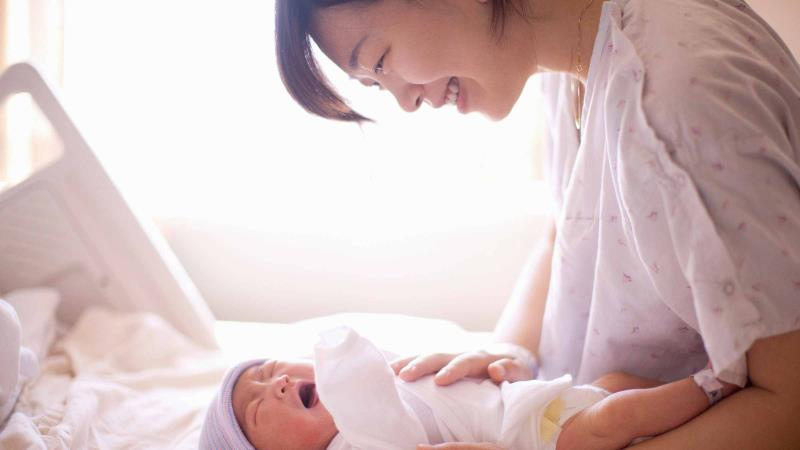
China is facing an aging population and a decline in fertility. But many Chinese families are still hesitating over having a second or even more babies. To find out the pros and cons of larger households, CGTN visited two typical families that already have two and more children. Here are their stories.
Xiao Na, a mother of a three-year-old child, is now expecting twins.
"At first, there was no plan to have these twins, and their arrival was an accident. We originally planned to add a child when our first was about five years old because one child is too lonely. Nothing's better than giving him more family members in this world," said Xiao.
When Xiao knew two new lives were on the way, she quit her job as she usually had to work overtime and started her own clothing boutique. This enables her to spend more time with her family.
"The biggest concern I had about the two newborns was the increase of energy needed. Neither my husband nor I have siblings. So we have to take care of the four old people and three children. It's a lot of pressure," said Xiao.
Just a few blocks away, Meng Lingxin, a mother of two school-aged children, has been through similar hard times.
Apart from the sacrifices in time, mental efforts and career, money is also indispensable, perhaps the most important thing to consider. Meng and Xiao have calculated the costs of raising children.
For their children below school age, the annual expenditure amounts to about 150,000 yuan (21,845 US dollars), most of which goes on daycare fees. While school-age children need about 200,000 yuan a year, of which education takes the largest share. For every extra child, these numbers will multiply.
"Education is expensive. We don't really have a choice. School tests are much harder than what our children are prepared for in class. They'll soon fall behind others without extra-curricular courses," said Meng.
Meng's husband Shi Liping agrees that if the state invests more in education, the pressure on families will be reduced.
Data from the National Bureau of Statistics shows there were 17 million births in China last year, a decrease of 630,000 from 2016. Fertility rates first started dropping in the 1980s after the one-child policy was introduced but is still an issue now larger families are an option.
There were 17 million births in China last year. /VCG photo
There were 17 million births in China last year. /VCG photo
Meng thought the pressure on this generation of young couples is much higher than before.
"Why is the fertility rate falling? The current pressures from education, pension, housing prices…all kinds of pressures are squeezing this generation. They are too stressed to have more energy for children," said Meng.
Many local governments introduced measures to encourage people to have more babies, such as longer maternity leave and better healthcare. In Beijing, many private kindergartens were made public, and preschool education expenses cut by up to 70 percent.
But a family's fertility rate should be its own choice. If Xiao and Meng can raise two or more children, others should have the right to choose whether or not to have more as well.