
Opinions
23:23, 12-Jul-2018
Opinion: The road to Kabul goes through Beijing, Moscow and Tehran
Updated
22:28, 15-Jul-2018
 ["other"]
Share







Copied
Editor's note: Ghanbar Naderi is an Iranian columnist and political commentator. The article reflects the author’s opinion, and not necessarily the views of CGTN.
The United States and its NATO allies are still trapped in the tangled war in Afghanistan. They are so deeply invested in self-deception and a self-perpetuating cycle of violence that they can neither admit to losing nor contemplate leaving.
It is against this extant policy that the heads of intelligence services of China, Russia, Iran, and Pakistan agreed to meet in Islamabad on Tuesday, July 10, to discuss measures against the growing threat of ISIL militants in Afghanistan.
The conference stressed the need for a more active inclusion of regional powers in the efforts to settle Afghanistan’s state collapse, civil conflict, ethnic disintegration and multisided intervention.
The participants agreed that if peace is to come to the country, it has to be a peace for all the people of Afghanistan, not a peace for America and its allies. Any peace process will have to include the Taliban and that also means all regional states.
Competing to spread carnage
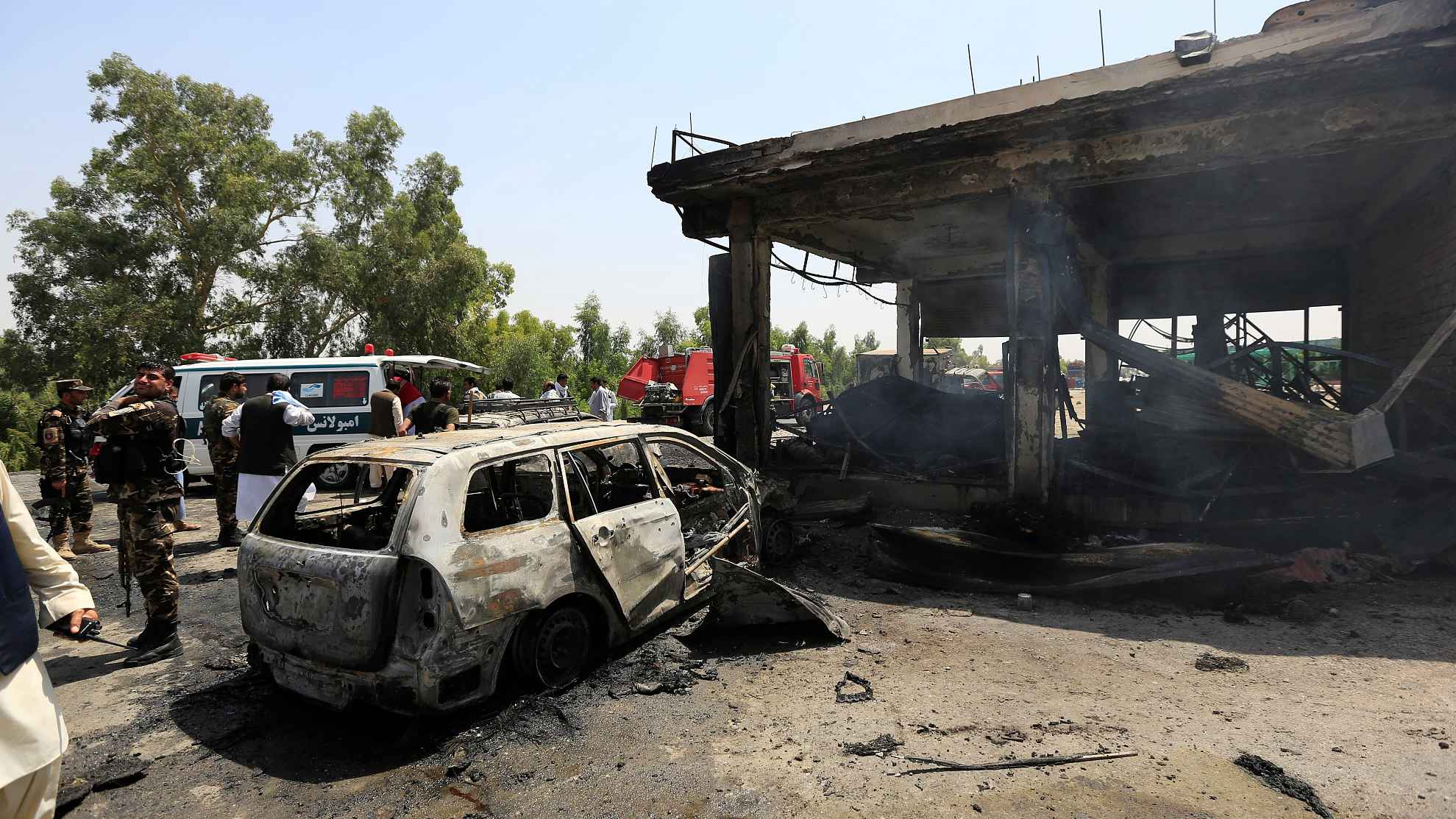
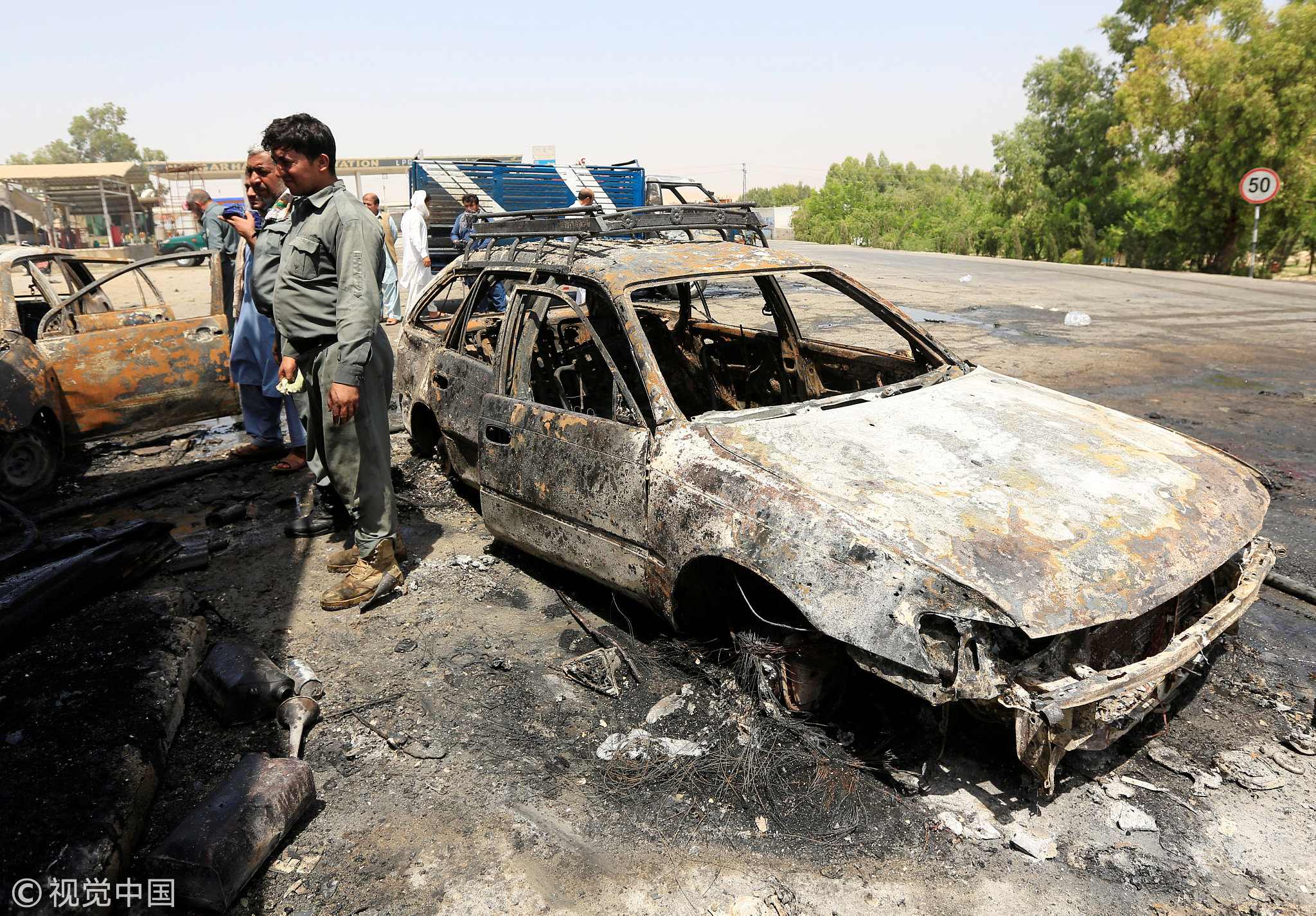
On the day that the regional security conference took place, ISIL claimed responsibility for a suicide bombing in Afghanistan that killed at least 12 people, some of whom were children.
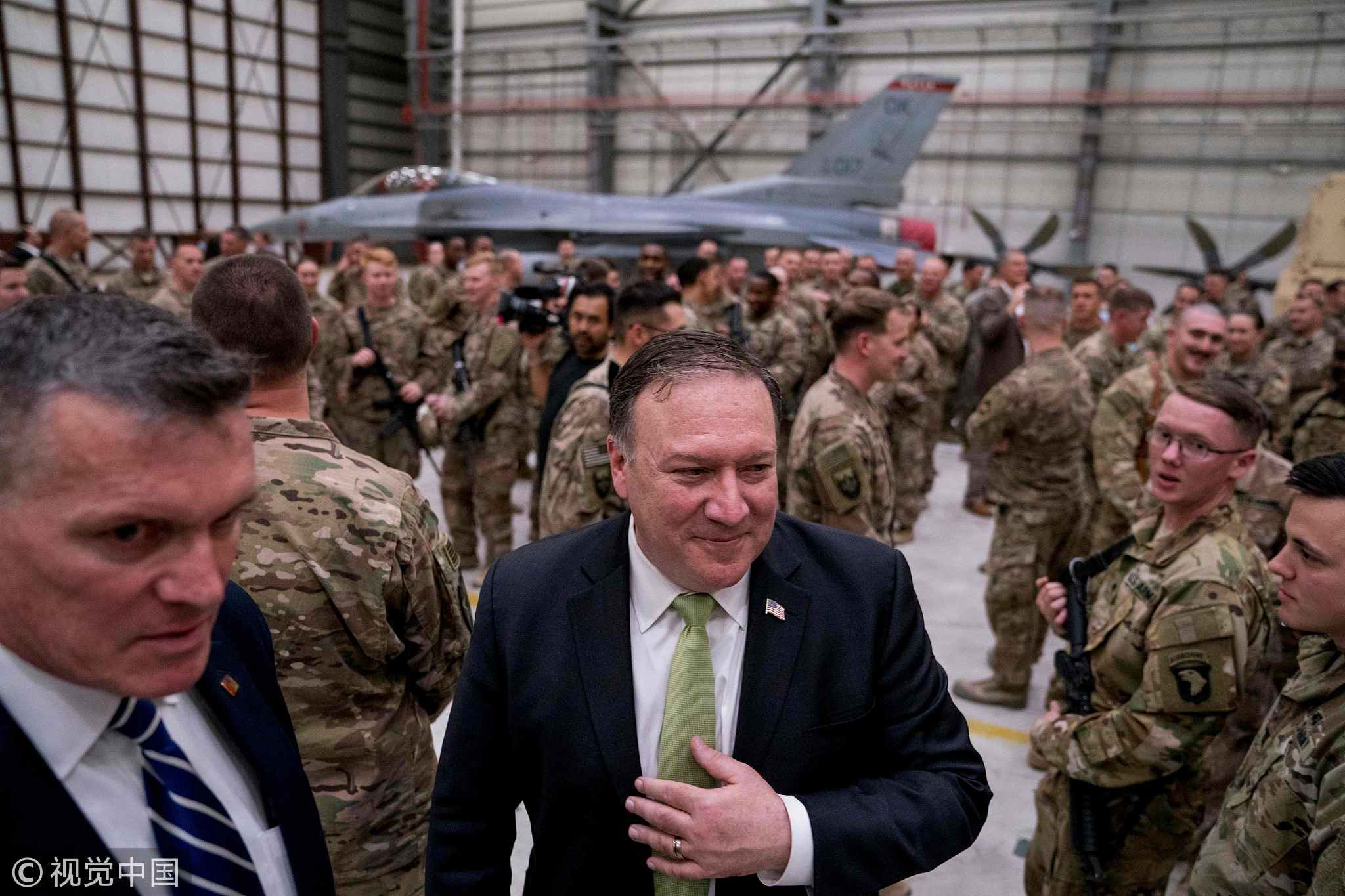
It came a day after US Secretary of State Mike Pompeo made an unannounced visit to Afghanistan to reassure the nation that Washington was committed to participating in Afghan-led negotiations with the Taliban to end ISIL attacks in the region.
Apparently, America’s “lost war” is no longer aimed at pulverizing the Taliban and Al-Qaeda. It is now a new war with ISIL, which is competing with its rival the Taliban – America’s sworn enemy – to spread carnage in the country and beyond.
To that end, the ISIL militants backed by foreign fighters are challenging the Taliban in the provinces of Jowzjan, Faryab, and Kunduz, where they are steadily building trafficking routes into neighboring Central Asian states. This turf war could easily spill on to neighboring countries, all the reason why China, Russia, Iran, and Pakistan are not sitting on their hands.
Pottery store rule
The US has taken upon itself to bring stability to Afghanistan with little or no respect for international law and regional concerns. It toppled the Taliban but has yet been able to bring about the kind of political stability needed for a functioning state and civil society.
Going by former president Hamid Karzai’s analysis: “The biggest threat to Afghanistan is the US… The West wanted to use Afghanistan, to have bases here, to create a situation whereby in the end Afghanistan would be so weak that it would agree to a deal in which Afghanistan’s interests will not even be secondary, but tertiary and worse.”
US Secretary of State Mike Pompeo greets coalition forces at Bagram Air Base, Afghanistan, July 9, 2018. /VCG Photo
US Secretary of State Mike Pompeo greets coalition forces at Bagram Air Base, Afghanistan, July 9, 2018. /VCG Photo
We all know the pottery store rule: “You break it, you own it.” While the US-led military invasion left Afghanistan in ruins and paved the way for the emergence of ISIL, western governments have resembled the barefaced customer who walks away whistling, hoping no one has noticed the mess behind.
A fate foretold
It is well documented that the US has no strategy to demobilize ISIL or neutralize its grandiose ambitions. Washington insists targeted airstrikes will continue only in places where ISIL’s militants pose a threat to American interests. This hopelessly blinkered policy makes no sense at all.
Ending the US military presence in Afghanistan, however, is a fate foretold; a necessary condition for reducing terrorism and containing the influence of ISIL in South Asia and Central Asia. China, Russia, Iran, and Pakistan didn’t meet in Islamabad to aim at regional, if not global, hegemony, or compete against each other for a false flag operation to bring their forces into Afghanistan on a permanent basis to use Afghans as cannon fodder and to pursue their interests at the cost of every last Afghan.
Knowing that the US may not be interested in bringing stability to Afghanistan for its own strategic interests, they seek to form a possible security alliance to adjust their politics to the global changes, to respond to the associated regional security challenges of America’s protracted war, and to seek a political solution to the Afghan crisis.
Chinese People's Liberation Army naval infantry soldiers and Russian Pacific Fleet naval infantry soldiers during a joint drill by counter-terrorism units at Gornostai on Russia's Pacific coast during the 2nd phase of the joint Russian-Chinese military exercise in the Far East, Naval Interaction 2017. /VCG Photo
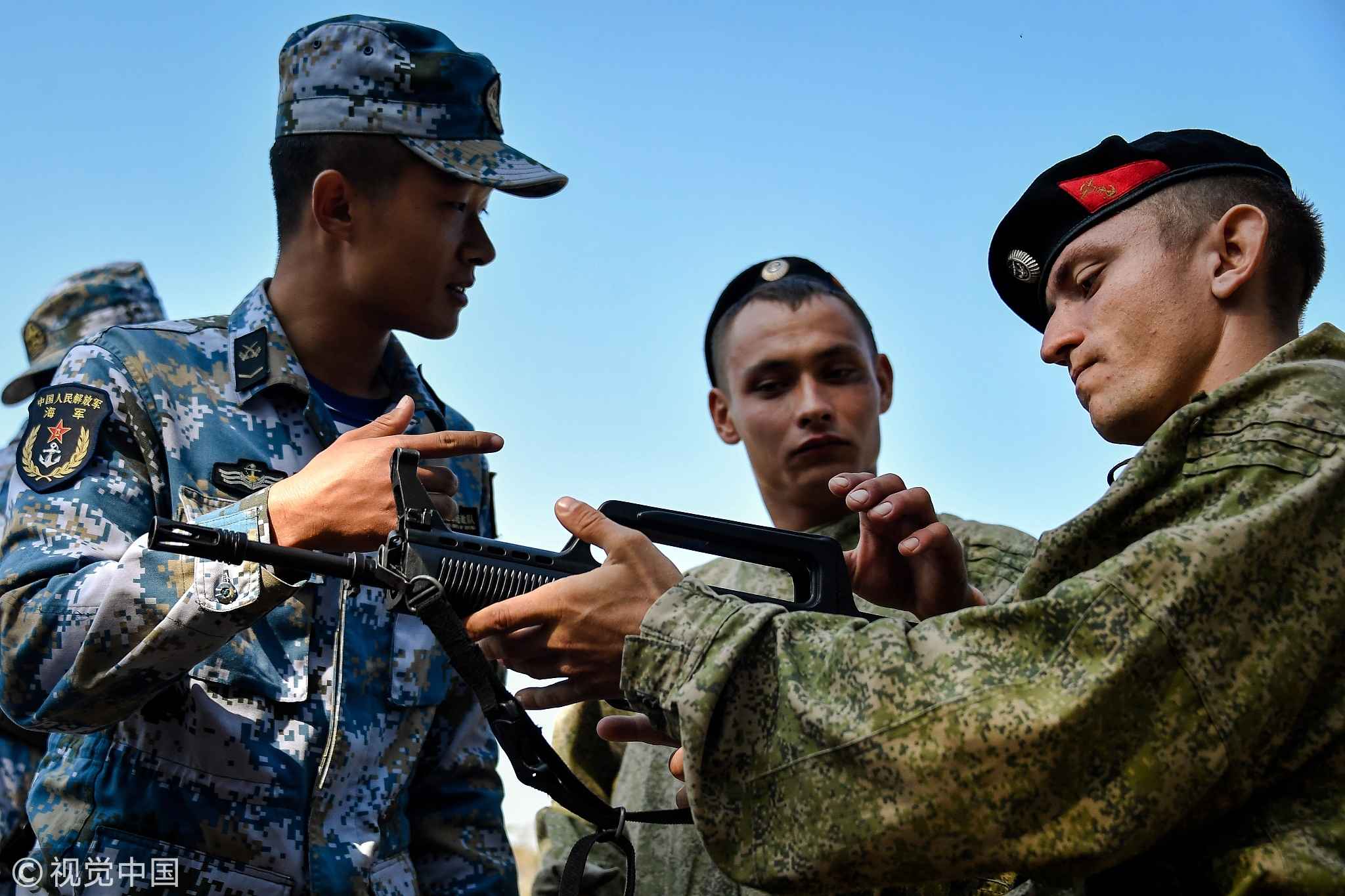
Chinese People's Liberation Army naval infantry soldiers and Russian Pacific Fleet naval infantry soldiers during a joint drill by counter-terrorism units at Gornostai on Russia's Pacific coast during the 2nd phase of the joint Russian-Chinese military exercise in the Far East, Naval Interaction 2017. /VCG Photo
The biggest fear among these nations is the emergence of ISIL in the war-blighted nation. There are reports that thousands of ISIL militants are being sent to Afghanistan from Syria, a development that many believe is aimed at further destabilizing the country.
The regional countries suspect that the US may be using ISIL as the proxy to further its interests and they all seek an all-inclusive reconciliation process – even if that requires agreeing to a flexible approach to remove certain Taliban figures from United Nations sanctions lists as part of efforts to foster a peaceful dialogue between Kabul and the Taliban.
The fact remains that a recent ceasefire between Afghan security forces and the Taliban raised hopes that an end to hostilities is possible. Opening the door for future troop increases or outsourcing the job and sending in the mercenaries, fixed-wing jets, attack helicopters, drones and/or overconfidence on the part of the Trump administration will only add fuel to the flames of this unnecessary conflict. It will not provide a strategic framework to deal with the problem of terrorism and the ISIL insurgency.
It is time to be more serious about the fact that with common and shared concerns, these factors can provide a pathway to peace, the discussion of which is suspiciously lacking in corporate media and official circles in the West. Many still seem willing to backtrack on the issue of a regional push for peace or a sort of reset if China, Russia, and Iran are involved. This policy is absurd and self-defeating and always has been.