
World
14:56, 29-May-2018
Aviation experts question the search for MH370
 ["china"]
Share







Copied
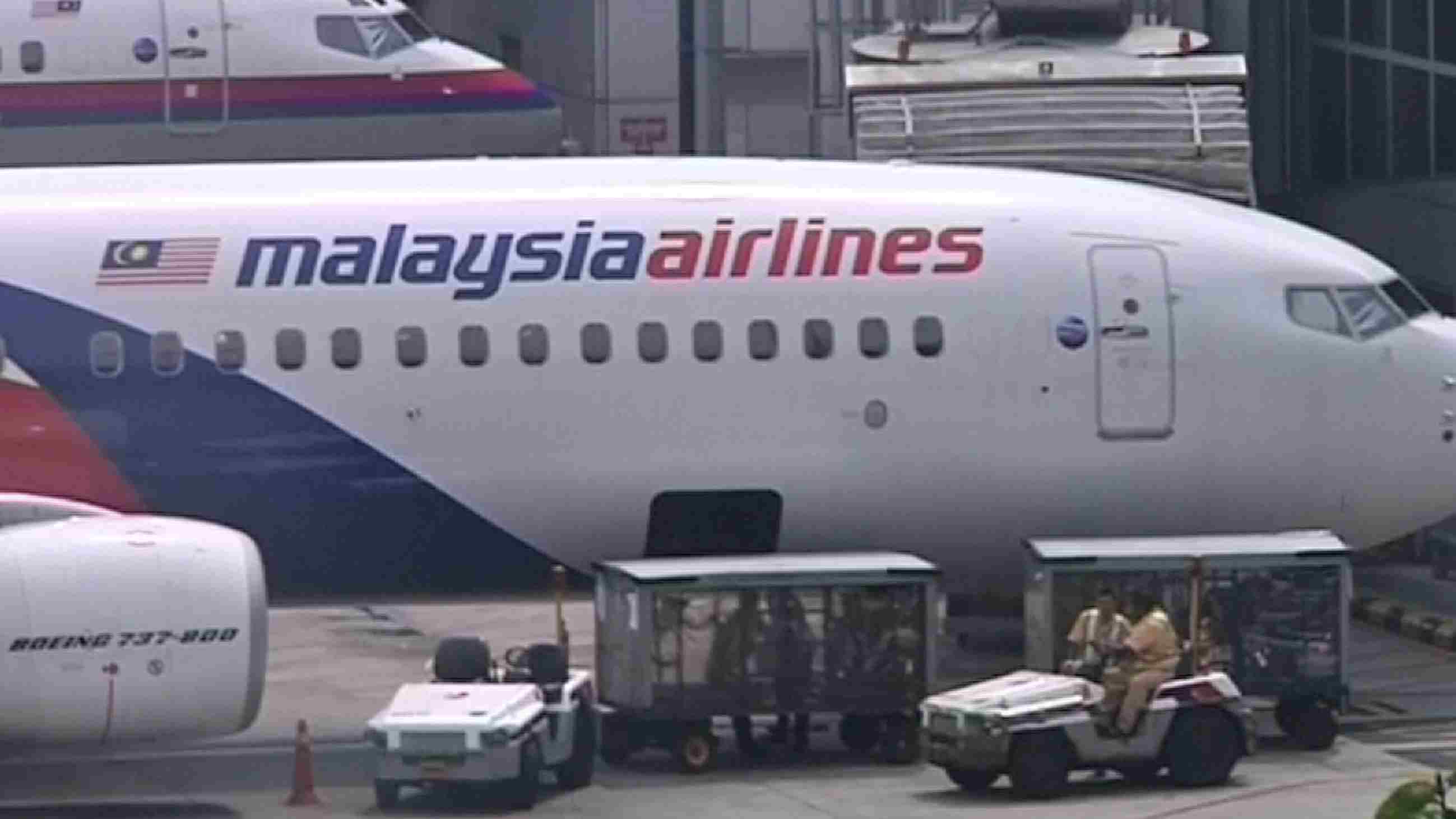
Shortly after Malaysian Airlines flight 370 disappeared in 2014, Sydney-based pilot Byron Bailey thought it was no accident.
“When they had discovered that the aircraft had flown into the Southern Indian Ocean it had to be a pilot hijack because only a pilot can reprogram the sophisticated flight management system computers. If they hadn’t done that the plane would have flown itself to Beijing, that’s the way the systems operate, 90% of the flight is done even before you start the engines,” he said.
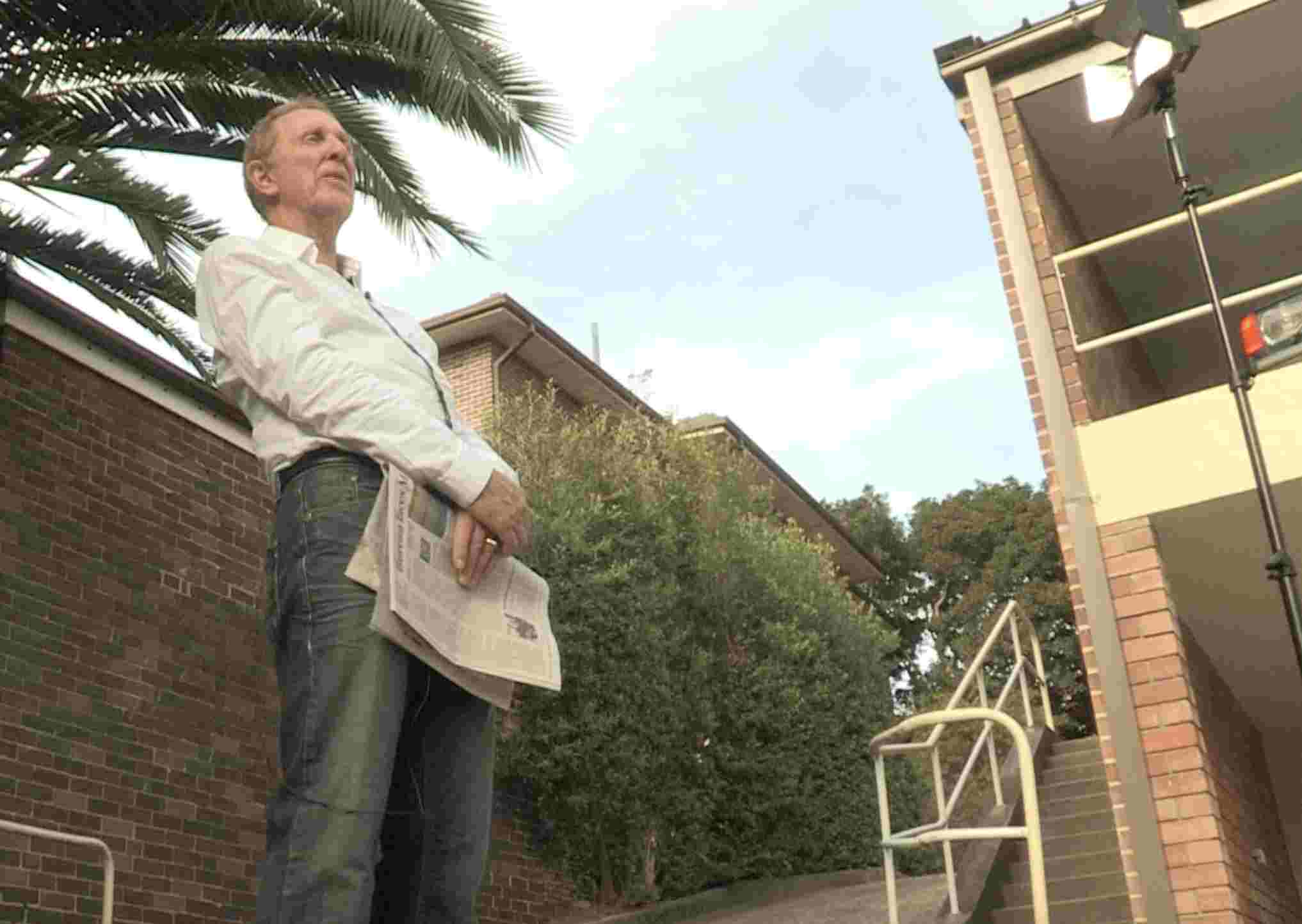
Pilot Byron Bailey. /CGTN Photo
Pilot Byron Bailey. /CGTN Photo
Bailey is one of a growing number of pilots and aviation officials who believe that MH370 was deliberately flown into the Southern Indian Ocean by its pilot. The initial search for the plane carrying 239 people on board in a 120,000-square-kilometer slice of the Southern Indian Ocean was based on an assumption by the Australian Transport Safety Bureau, which did not include a pilot hijacking scenario.
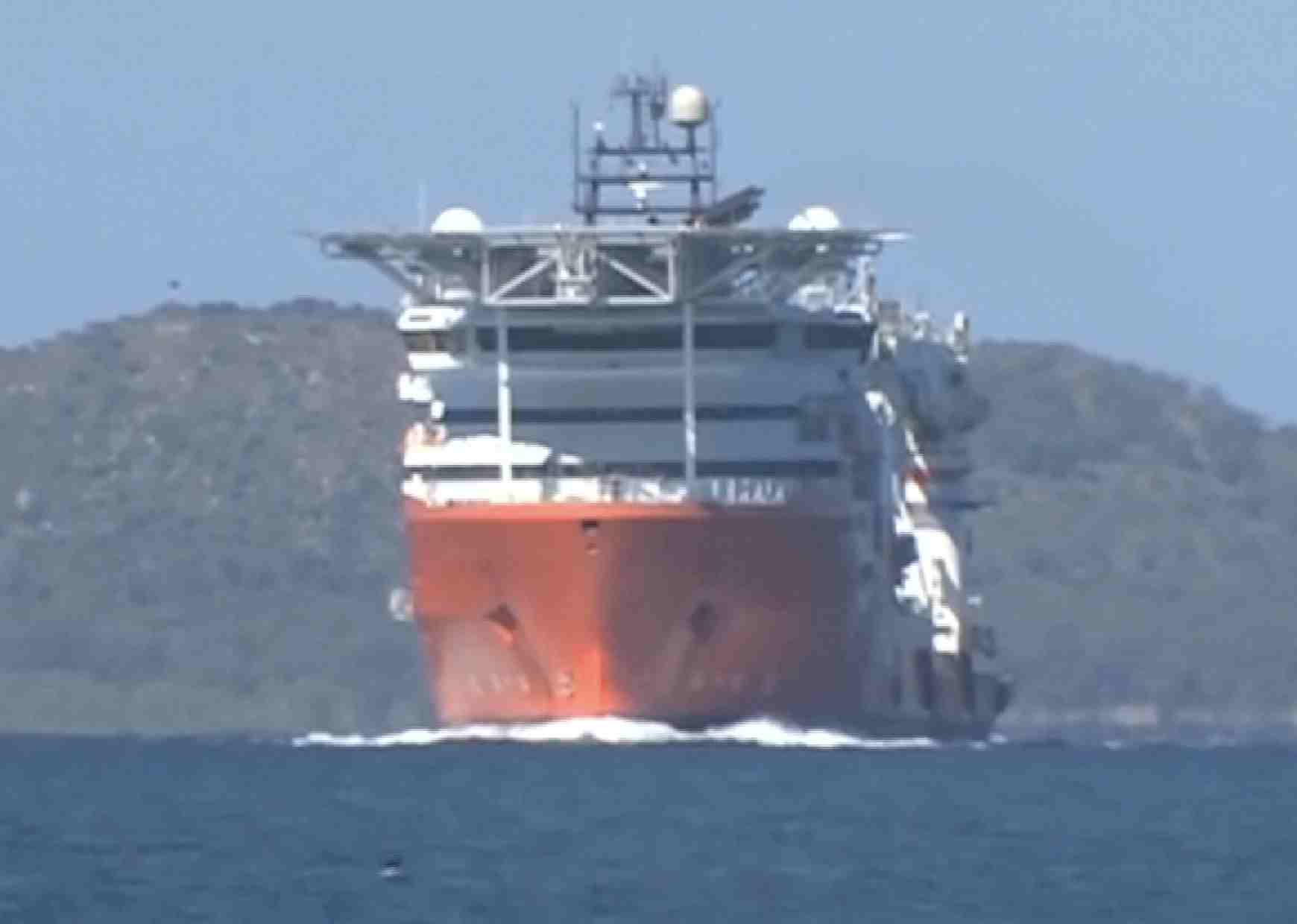
The search for MH370. /Reuters Photo
The search for MH370. /Reuters Photo
"We have quite a bit of data to tell us that the aircraft - if it was being controlled at the end, it wasn't very successfully being controlled," said Peter Foley from the Australian Transport Safety Bureau. "The flaps weren't deployed. The aircraft, given the timing, had most likely, and that first log-on request, if you like, is most consistent with a scenario where the aircraft had exhausted its fuel. So, we have quite a lot of evidences to support no control at the end.”
A second search was launched earlier this year by a private firm on a no find-no fee basis. That search also failed to locate the missing aircraft.
Bailey and other aviation specialists also point to a discovery by the FBI, that captain Zaharie Ahmed Shah had flown a disturbingly similar route on a home flight simulator to the one actually taken only weeks before the ill-fated journey.

Aerospace Developments managing director Peter Marosszeky. /CGTN Photo
Aerospace Developments managing director Peter Marosszeky. /CGTN Photo
“You can easily say oh look, he was practising his flying skills at home or keeping up to date but the coincidences are a little bit too strong,” said Peter Marosszeky, the managing director for Aerospace Developments.
Bailey believes the pilot was highly skilled and able to avoid radar detection.
“He wanted to hide the aircraft in as remote position as possible. He didn’t want bits of debris floating around, he didn’t want it to ever be found,” he said.