
Tech & Sci
16:53, 19-Aug-2018
A Chinese doctor’s last day in Africa
Updated
16:32, 22-Aug-2018
 ["china"]
Share







Copied
02:24
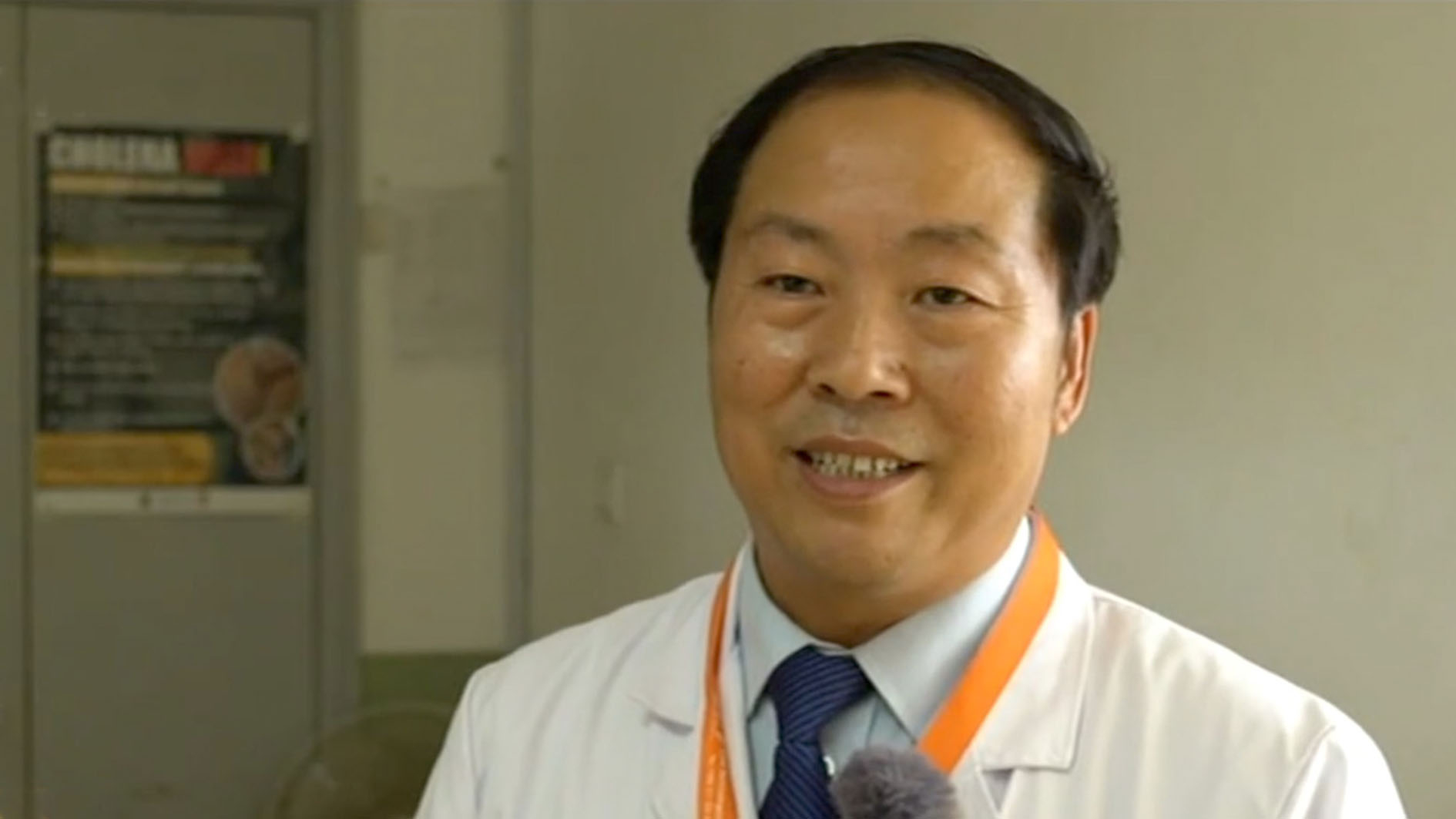
It's the last day in Levy Mwanawasa hospital for Chinese cardiologist Wang Weimin – it's also his last day in Zambia. He routinely performed checkups and other procedures on patients in the cluttered, disorganized medical center. Due to the lack of funding, the hospital has only 150 beds, while the number of patients is overwhelming.
"To be completely honest, I didn’t know much about Zambia back then, including the epidemic here, the harsh living environment and social security issues, and because of that, I did have much pressure when making the decision. But after talking to my family, I finally made the decision to come here," said Wang.
He noted that Chinese doctors in Zambia all established a strong friendship with locals over the past year.
"Since China’s Reform and Opening-Up (in the 1970s), a large number of African students have studied medicine in China. Their studies in China deepened their understanding of China, and established strong ties," said Wang.
Chief among those “relationships” is his “Zambian daughter,” a young doctor who studied in China for five years.
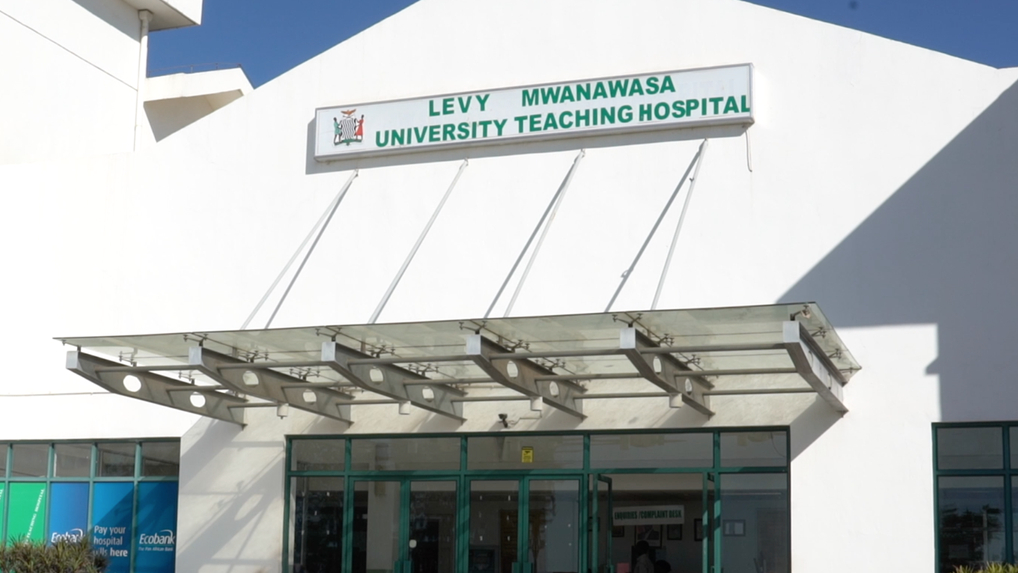
The Levy Mwanawasa hospital in Zambia. /CGTN Photo
The Levy Mwanawasa hospital in Zambia. /CGTN Photo
“They are leaving. I feel so bad. Zambia will lose out a lot because they were really helping us out. So I'm feeling bad, and I’m hoping when they go back, they have a safe life, and [they will] come back here, so that they can continue helping us here,” said Kabonde Naomi, a Zambian doctor.
Cases in China-Africa health cooperation
China has sent over 20,000 medical workers to Africa since 1963. The country also helps build medical facilities on the African continent, including building medical institutions, providing medicines and medical devices, organizing training sessions, and offering scholarships to nurture more talent.
In particular, China sent medical teams to West Africa when the outbreak of the Ebola virus quickly spread in 2014. The country has also put forward aid programs in the health sector, providing financial aid to West Africa, sending hundreds of medical personnel and public health experts to the affected countries and training local medical workers on the continent.
In 2017, the Chinese navy's "Peace Ark" hospital ship visited Tanzania and provided over 6,000 Tanzanians with free medical treatment.
"The coming of the ship has written a new history in the cordial relationship of the two countries," said Tanzanian President John Magufuli.
Zambia and China have established health cooperation in the past 40 years, which witnessed the improvement of both infrastructure in the sector and capacity building of health personnel.
"We would like to express our gratitude to the team for helping in strengthening our health system. Since 1978, Zambia and China have collaborated in the health sector," said Chitalu Chilufya, Zambia’s Minister of Health.
In the Republic of Congo, since the China-led Brightness Action campaign was launched in 2016, the China-Congo Friendship Hospital (CCFH) has been receiving modern surgical supplies and medical instruments from China to treat eye diseases.
The Johannesburg Summit of the Forum on China-Africa Cooperation in 2015 listed public health cooperation as part of the 10 China-Africa cooperation plans, in which China pledged to work with all other countries, international organizations and non-governmental organizations in addressing the global health challenge, and through South-South cooperation, to help build the health sector in developing countries.