
Business
09:06, 08-Jul-2018
Trump is tearing up the rulebook
Updated
08:18, 11-Jul-2018
 ["china"]
Share






Copied
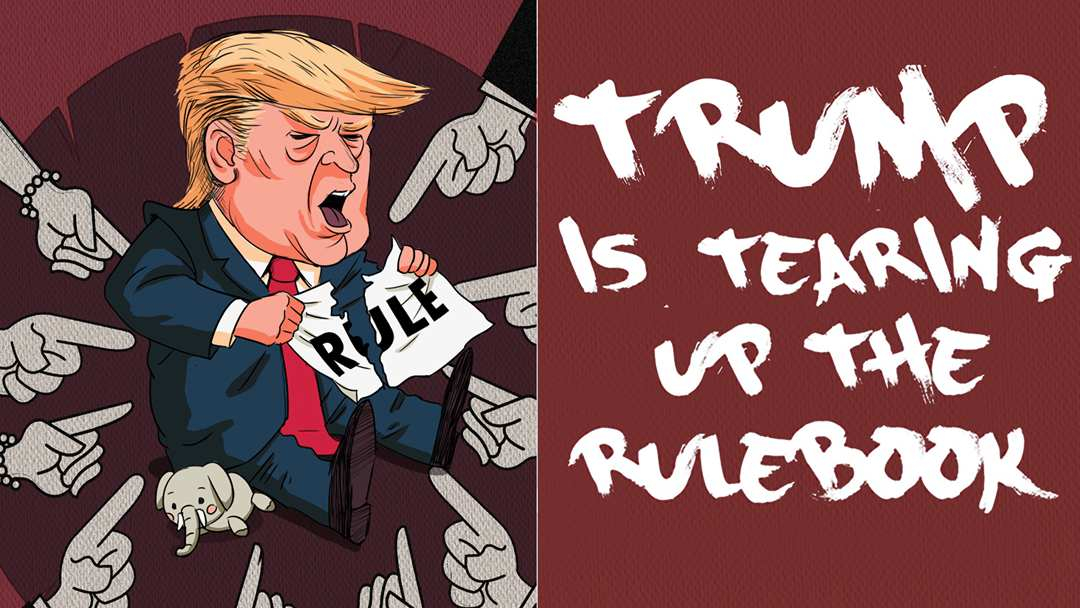
The world trading system is built on rules. Rules that keep the global economy flowing.
No one pretends these rules are perfect, that the way global trade works can’t be reformed to address inequalities and imbalances. After all, globalization has delivered for many but not all.
But while most leaders seek to make change by consensus and avoid economic jolts, the current US president seems intent on tearing up the rulebook and leaving a trail of mayhem in his wake.
Trump – a “disruptor” and loud-voiced populist
Reuters Photo
Reuters Photo
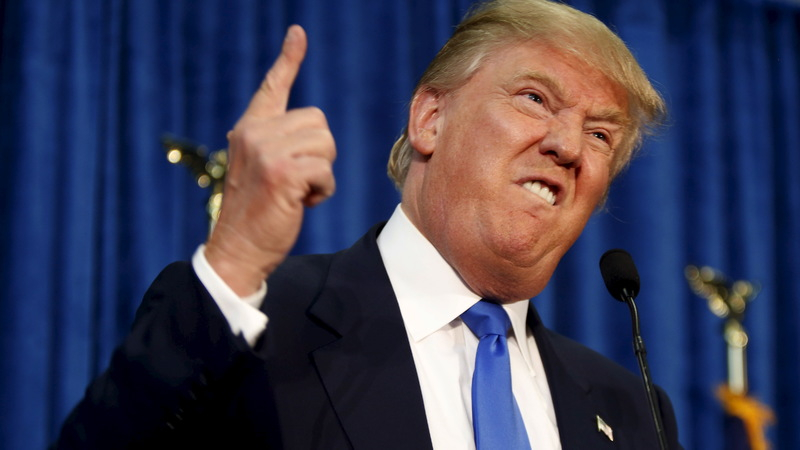
Many call Donald Trump a “disruptor.” He is one of a handful of loud-voiced populists who believe change can only be achieved through chaos, by ripping up what has taken decades to establish and start again. To start again with the US, it should be noted, as the hegemonic power.
Rather than working within the global system — a system the US played a central role in creating — Trump wants to burn it down and build his own.
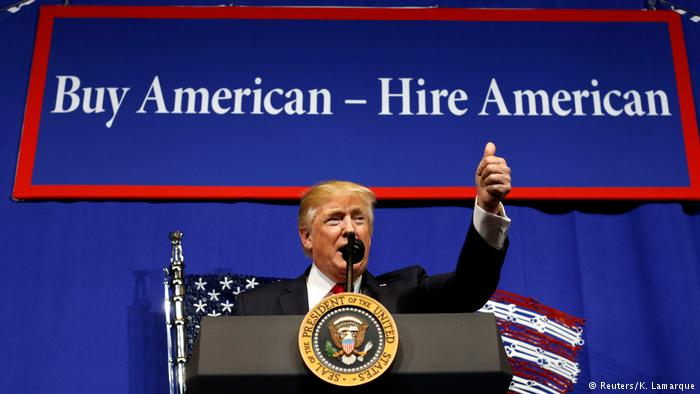
Part of his route to doing so involves what the Chinese Ministry of Commerce described on July 6 as “typical trade bullying” — ignoring World Trade Organization rules to implement tariffs at a whim.
What’s the logic of Trump’s tariffs?
The assumed logic of Trump’s tariffs was that they were leverage to force concessions from rivals. But perhaps logic is the wrong metric to use with this president.
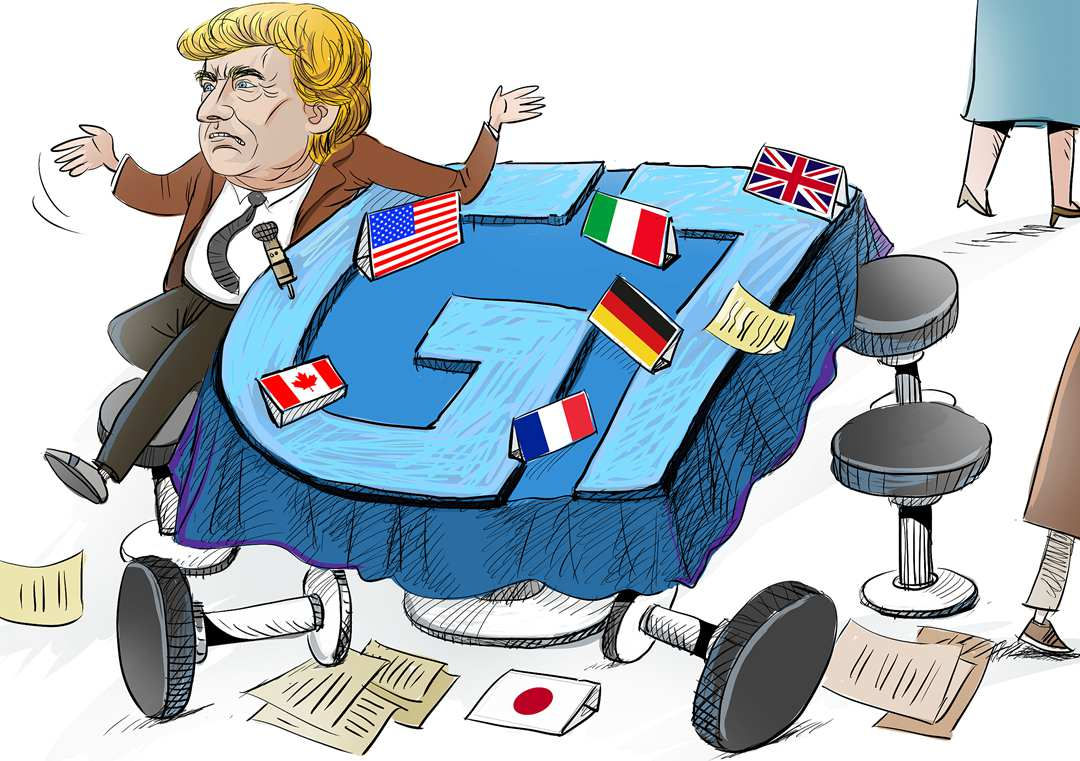
By imposing tariffs on China and Russia, as well as traditional allies like the European Union (EU) and Canada, he has isolated the US and pushed its competitors closer together in opposition.
VCG Photo
VCG Photo
Those rivals have responded by acting within the rules. On Friday, China issued a complaint to the WTO. The EU, Russia, India, Canada, Mexico and Norway have done the same in recent weeks.
Will the WTO be Trump’s next target?
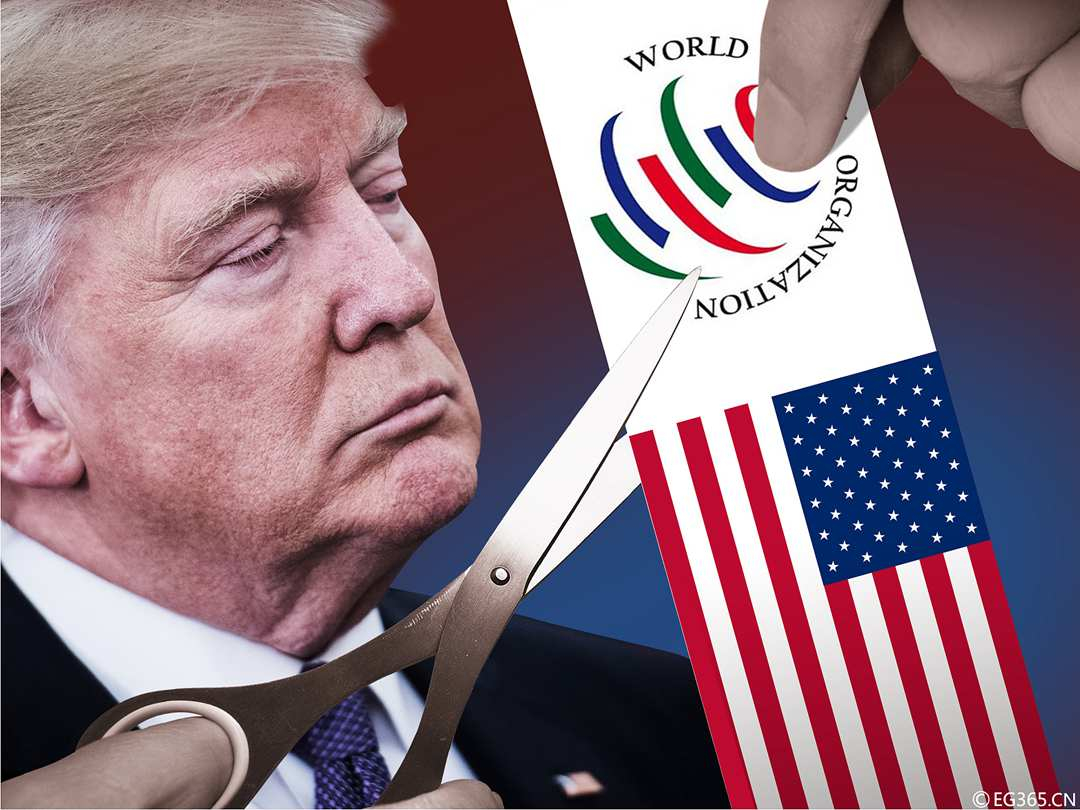
Many fear that the WTO could be Trump’s next target, a route to driving a stake through the heart of the global trading system.
Trump has harmed the credibility of the US on the world stage with his unilateralist leanings — withdrawing from the Trans-Pacific Partnership, the Paris climate agreement, the Iran nuclear deal. By imposing tariffs he has ignored norms designed to maintain stability, moves that will likely do economic damage over the months and years to come.
But should he take a step further and withdraw from the WTO — or undermine it to the point of nullifying its ability to act effectively — the consequences could be catastrophic.
VCG Photo
VCG Photo
The WTO evolved from the General Agreement on Tariffs and Trade, which was set up in 1947 not only as a settler of trade disputes, but also to bind countries together to avoid conflict. Leaders of the day saw the economic nationalism of the 1930s as a driver for World War Two.
A concern among many observers is that Trump — who has described the WTO as “disaster” for the US — is not interested in the lessons of history.
Axios last week obtained a leaked draft bill, ordered by Trump, that would declare America’s abandonment of key WTO rules. A source told the political news site that the bill would “completely remove us from the set of global trade rules,” but added the “good news is Congress would never give this authority to the president.”
Treasury Secretary Steve Mnuchin, understood to be a skeptic of the tariff policy, quickly denied that a WTO withdrawal was on the cards. However, Trump warned publicly on Monday that "we will be doing something" should the WTO not "treat us properly.”
Trump's administration already hampers the WTO
Reuters Photo
Reuters Photo
The Trump administration is already working to hamper the organization by “slowly killing the WTO’s seven-member appellate body, which is the institution’s court of final appeal in trade litigation,” according to Greg Rushford, writing in the Wall Street Journal this week.
The US is exercising a veto over new members of the court. Only four judges remain, and three are needed to hear any case. The court could cease to function altogether next year. In May, retiring WTO judge Ricardo Ramirez-Hernandez, whose replacement has been blocked by the US, said the organization was being “asphyxiated.”
Tearing up the rulebook, or preventing rules from being applied, will have untold consequences. The system isn’t perfect, but reform can be achieved without sparking economic chaos.