
Business
16:41, 23-Apr-2018
Alibaba denies 'bullying' brands into exclusivity deals
 ["china"]
Share







Copied
Chinese e-commerce giant Alibaba has firmly denied reports that it “punished” several major Western brands for failing to sign exclusivity deals with its Tmall platform, amid allegations that it purposely caused the brands' sales to plummet by as much as 20 percent.
In a statement, Alibaba called the AP report “completely false,” adding that “Alibaba and Tmall conduct business in full compliance with Chinese laws.”
Addressing the issue of exclusivity deals, Alibaba’s statement underlined that “like many e-commerce platforms, we have exclusive partnerships with some of the merchants on Tmall. The merchant decides to choose such an arrangement because of the attractive services and value Tmall brings to them.”
The AP report is based on a series of interviews, including five US executives that fail to give their names, with three purportedly representing companies with sales worth billions of US dollars. The five brands claim that after refusing to sign exclusivity deals with Alibaba and signing up to promotions on JD.com – Alibaba’s biggest e-commerce rival in China – their sales plummeted.
The report also suggests one of the brands saw its Tmall sales drop by 10 to 20 percent compared to the previous year, after its advertising was suddenly removed from the e-commerce platform, and its products were forced to the bottom of search results.
The AP claims the report was the result of a months-long investigation involving more than 30 people. It has been backed by JD.com, which claims more than 100 Chinese brands left its platform for Tmall in the past year.
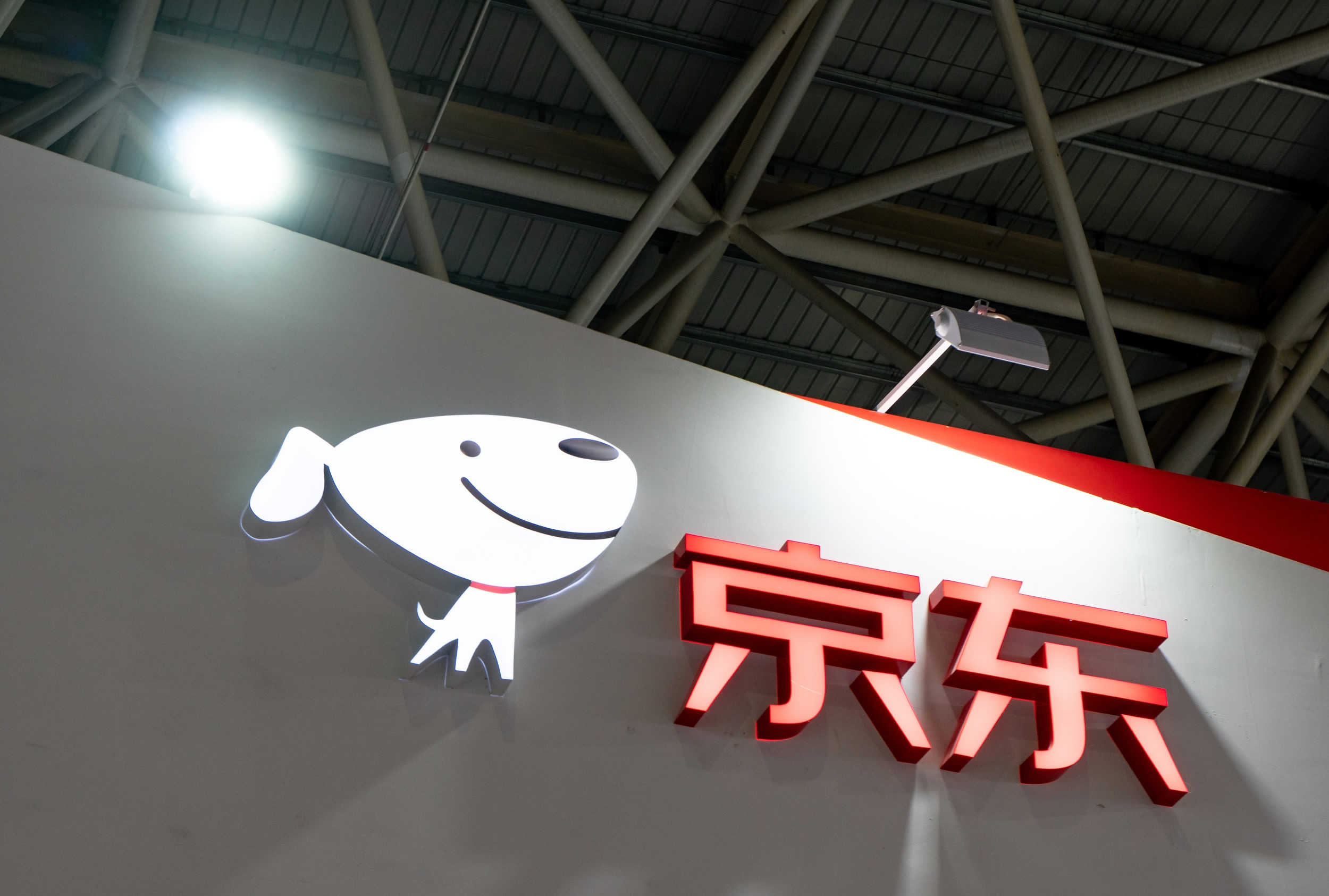
Cats versus dogs? JD.com's logo (Tmall's logo is a black cat.) /VCG Photo
Cats versus dogs? JD.com's logo (Tmall's logo is a black cat.) /VCG Photo
In November, JD.com’s chief financial officer Huang Xuande said the exodus from his platform to Tmall was down to Alibaba’s “coercive tactics… which if proven true would be illegal and clearly against the merchants' will.”
Describing the rivalry between Alibaba and JD.com as “the great cat and dog war,” the AP claims it has seen Tmall contracts that demand merchants “must not operate storefronts on other e-commerce platforms without Tmall's written permission.”
JD.com has previously made official complaints against Alibaba over unfair competition. In 2015, JD.com went to the State Administration for Industry and Commerce to register a complaint over Tmall forcing companies into exclusivity during lucrative sales campaigns like Singles’ Day.
Alibaba responded at the time by saying while JD.com was focused “on groundless complaints to explain why they are losing brands, we at Alibaba are squarely focused on making our platform the best for our merchants."