
Politics
12:24, 14-May-2018
PM mystery as Italy inches closer to populist government
 ["europe"]
Share







Copied
Italy's anti-establishment Five Star Movement and the far-right League are ready to put forward a government program and nominate a prime minister after a weekend of constructive talks over a coalition.
The parties, opponents in the March 4 election that led to a hung parliament, have been working since last Thursday to find a workable agenda for government.
They appear to be closing in on forming the first anti-establishment government in Western Europe.
Who will be PM?
The identity of the nominee to be prime minister remains a mystery.
Matteo Salvini and Luigi Di Maio are both thought to have eyes on the premiership, but neither is likely to allow the other to take the top job.
Coalition partners?
Five Star Movement: Five Star, led by Luigi Di Maio, is anti-establishment. It campaigned on a promise of direct democracy online, a 780-euro monthly wage for the unemployed, the repeal of hundreds of laws and closer ties with Russia.
League: The League, led by Matteo Salvini, is on the far-right of the political spectrum. It is firmly anti-immigration and opposed to Italy's membership of the eurozone. It campaigned on a promise to implement a 15 percent flat tax.
Di Maio said on Sunday the prime ministerial candidate will be "a politician and not a technician," and according to Italian media reports, the nominee will be an independent figure.
Salvini and Di Maio are scheduled to meet again in Rome on Monday before being received at the Quirinal, the presidential palace. Mattarella has the final word on the choice of prime minister, and is not obliged to accept the recommendation of the parties.
What will the agenda be?
Di Maio and Salvini said on Sunday they had made progress with plans to cut taxes, boost welfare and bolster efforts to stop irregular immigration as they sought to identify policies both could stomach.
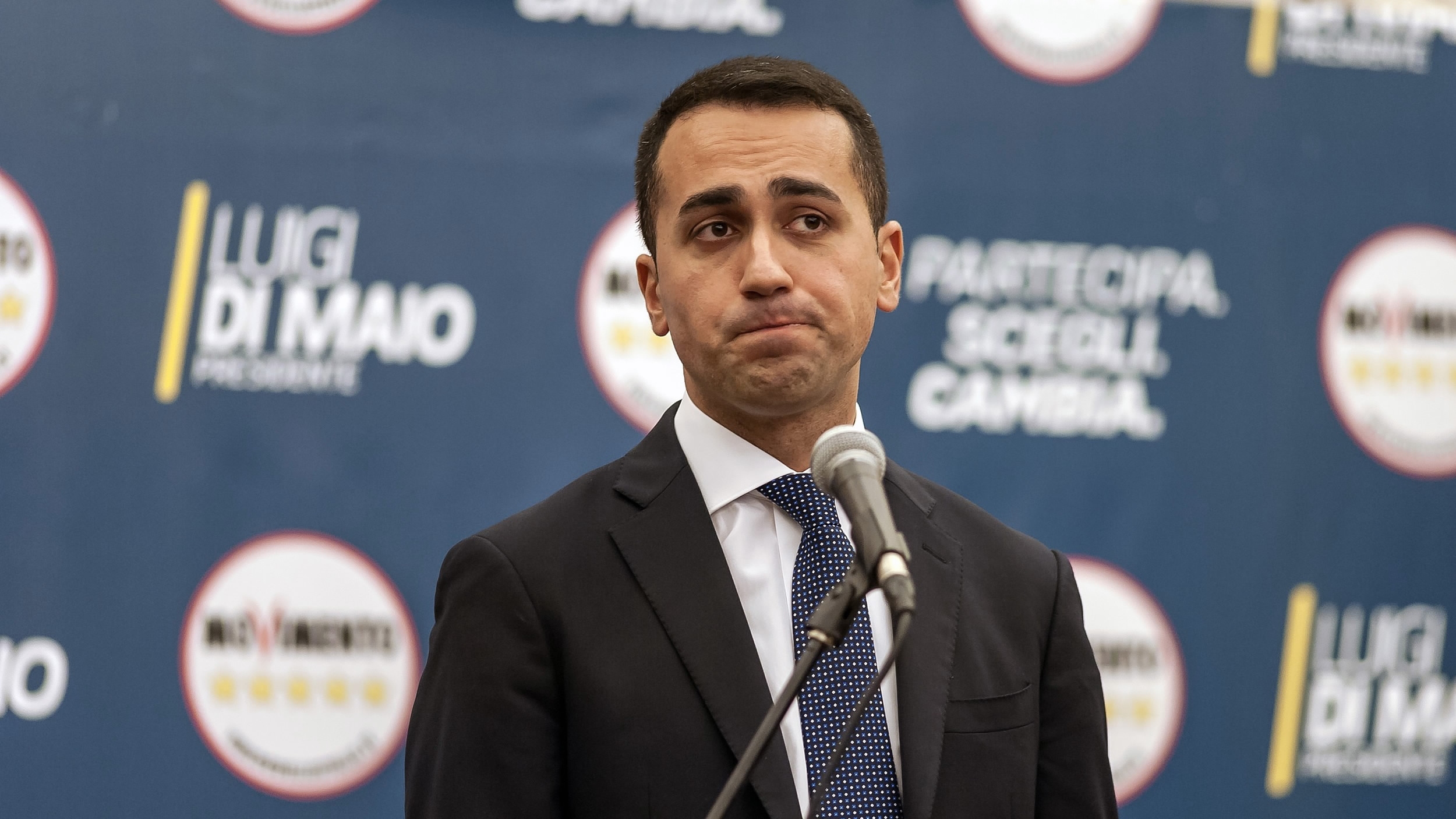
Luigi Di Maio, leader of the Five Star Movement. /VCG Photo
Luigi Di Maio, leader of the Five Star Movement. /VCG Photo
According to reports, the parties have agreed on rolling back increases to the age of retirement, while the Five Star Movement is willing to follow the League's hardline anti-immigration policies.
Salvini and Di Maio are also willing to make compromises over their flagship policies – the League's drastic drop in taxes and Five Star's universal basic income – which look tricky to reconcile in the eurozone's second most indebted country.
Both the Five Star Movement and the League are hostile to EU budget rules. Five Star has moderated its stance on Europe, but the League is more confrontational and says it wants Italy to leave the eurozone as soon as it is politically feasible
Will Berlusconi have an impact?
The Five Star Movement is by far Italy's largest single party after winning nearly 33 percent of the electorate. Salvini's League won 17 percent on March 4, but it was part of a right-wing alliance including Silvio Berlusconi's Forza Italia party that garnered 37 percent of the vote.

Silvio Berlusconi, leader of the Forza Italia party, and Matteo Salvini, leader of the League. /VCG Photo
Silvio Berlusconi, leader of the Forza Italia party, and Matteo Salvini, leader of the League. /VCG Photo
A court ruled on Sunday that Berlusconi could run for public office again, five years after being banned having been found guilty of tax fraud. Last week, his vow not to stand in the way of a Five Star-League coalition instigated renewed talks between the parties.
The lifting of the former prime minister's ban allows him to run for office immediately, potentially leading the opposition in parliament if he can find a seat.
Meanwhile, a small party in the center-right electoral alliance, the right-wing Brothers of Italy, said on Sunday it may support the nascent government in parliament, so long as the prime minister is an acceptable figure and not from Five Star.
The possible coalition would have only a narrow majority in the upper house and, with its 18 senators, Brothers of Italy's support would make the bloc less vulnerable to possible defections.
(With input from agencies)
8135km