
Tech & Sci
12:54, 15-May-2018
Expert: Solar power can save water in Mideast, North Africa
 ["africa","other","Middle East"]
Share







Copied
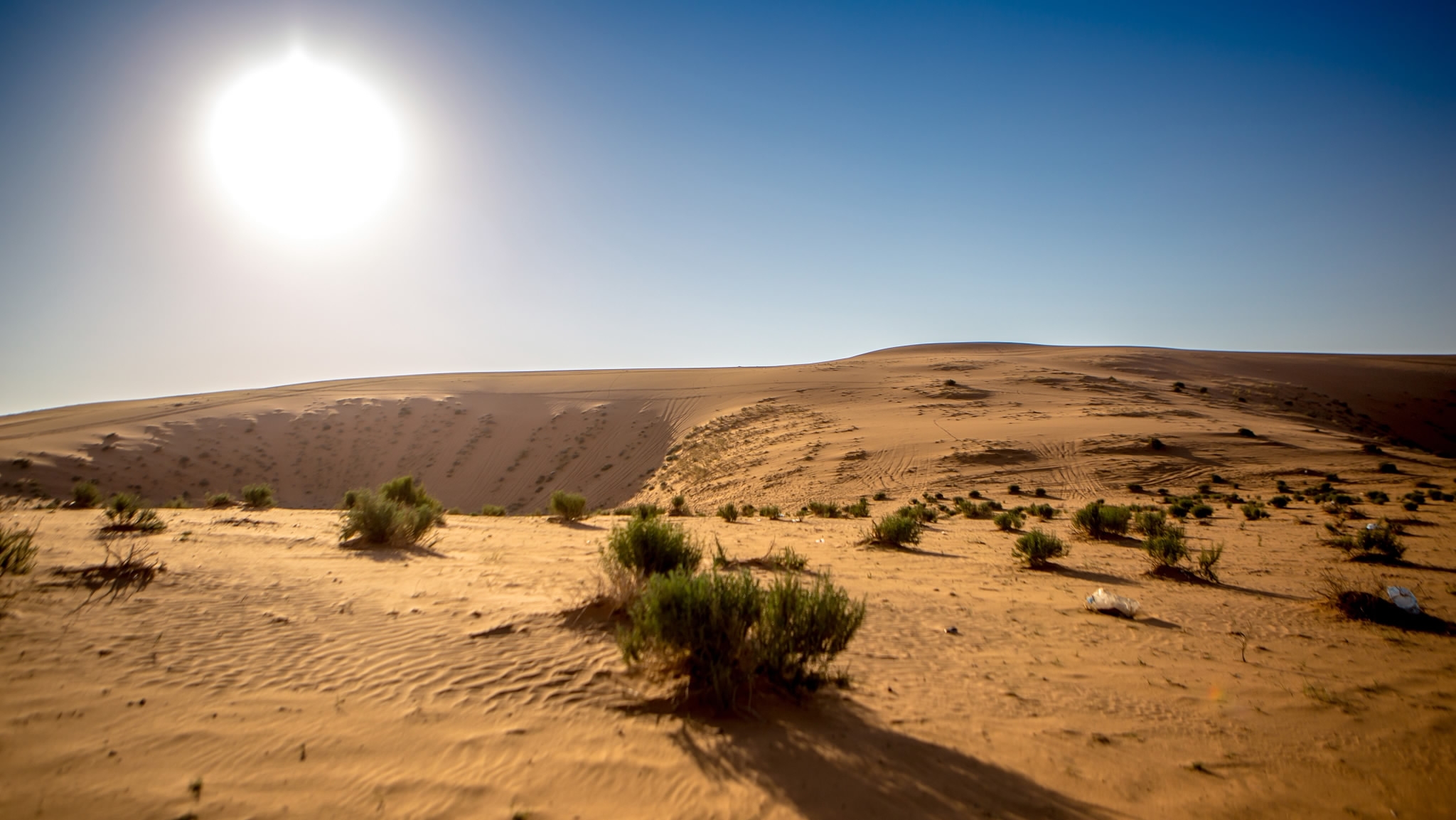
Water-stressed nations in Africa and the Middle East could save water by switching to renewable solar energy from fossil fuel electricity generation, analysts said.
Yemen, Saudi Arabia, Oman, Libya, Algeria, Morocco, the United Arab Emirates and Jordan, ranked among the top countries measured by lack of freshwater and solar energy potential, could benefit from such a switch, the World Resources Institute (WRI) said.
“A lot of times, the water savings, that kind of benefits from renewable projects are overlooked,” Tianyi Luo, a senior WRI manager, told the Thomson Reuters Foundation.
“These countries have high-average resources for both solar and wind that could be put to very productive uses, and it could potentially assist them in their water-related challenges,” said Jordan Macknick, energy and water analyst at the US National Renewable Energy Laboratory.
WRI notes that some of the nations in the Middle East and North Africa have plans to harness solar and wind energy, but many do not, and many goals fall short of their potential. "Also, because of their oil wealth, some of these countries rely on desalination for water supply and might not have a water scarcity problem for now," the organization added.
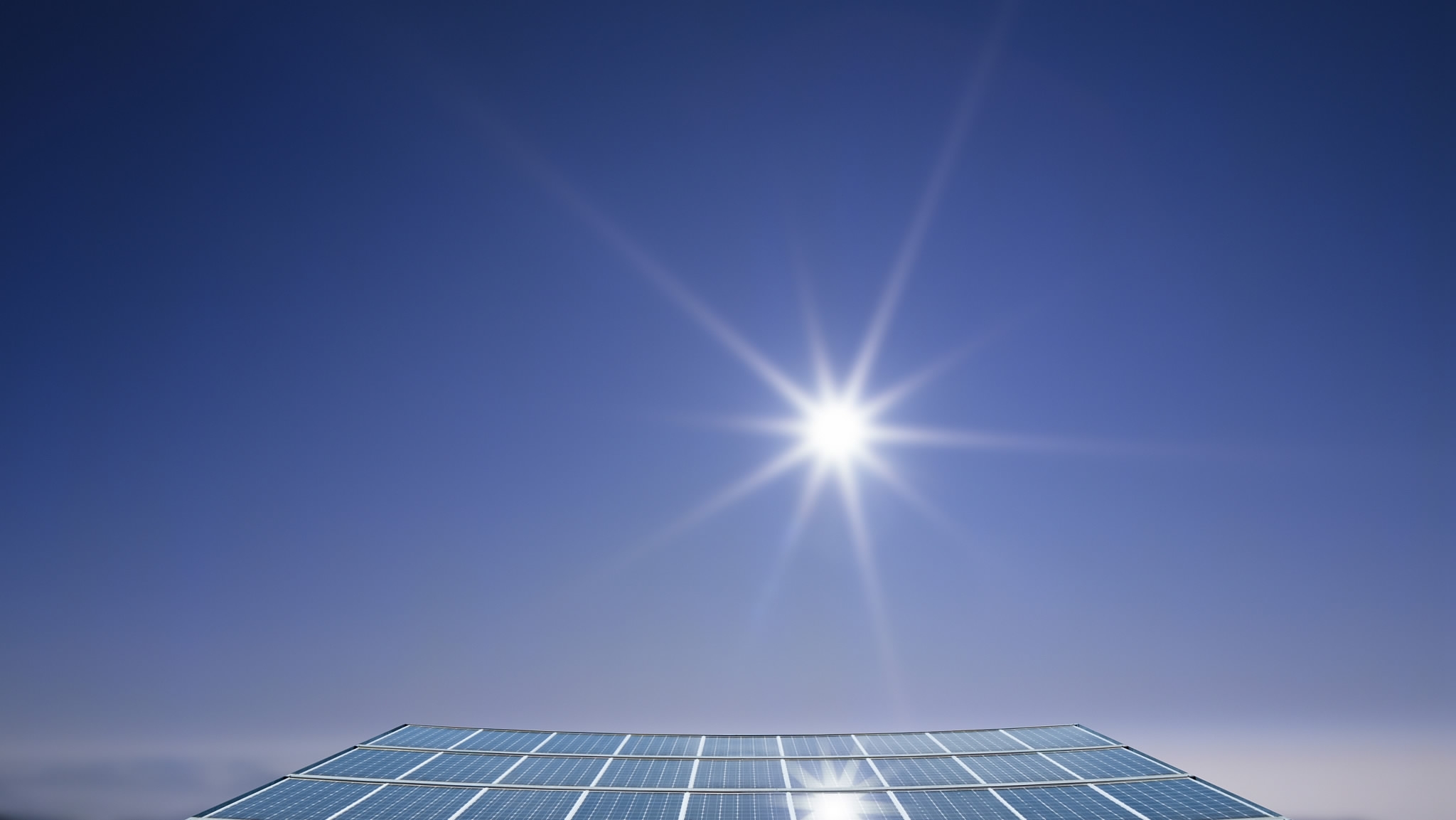
Power generation from solar photovoltaic and wind is clean and requires zero or little water use. /VCG photo
Power generation from solar photovoltaic and wind is clean and requires zero or little water use. /VCG photo
Fresh and sea water is often used in the process of cooling fossil-fuel power plants, ubiquitous in the area, according to the World Bank.
Put another way, powering one 60-watt incandescent light bulb for 12 hours over one a year can consume 3,000 to 6,000 gallons of water, according to the US-based Virginia Water Resources Research Center.
Solar panels, meanwhile, require little or no water to install and maintain.
Yemen topped the WRI ranking in terms of water scarcity and how much potential electricity solar farms could produce, though it was noted the ongoing civil war in the impoverished country could make renewables development challenging.
Saudi Arabia, the world’s top oil exporter, ranked third.
Despite its wealth of oil, the kingdom recently stepped up its involvement in expanding solar energy with an announcement in March of investments to create the world’s biggest solar power project.
The project is expected to have the capacity to produce up to 200 gigawatts by 2030.
Top Photo: Riyadh sand dunes/ VCG photo
Source(s): Reuters