
Opinions
16:22, 29-Sep-2018
Opinion: Scant details, zero evidence for Trump’s accusation of meddling
Updated
16:17, 02-Oct-2018
 ["china"]
Share







Copied
Editor's note: This article is an edited translation from a commentary piece originally published in Chinese in Global Times on September 27.
"We do not and will not interfere in any countries' domestic affairs. We refuse to accept any unwarranted accusations against China," said Wang Yi, China's State Councilor and Foreign Minister at the UN Security Council on Wednesday.
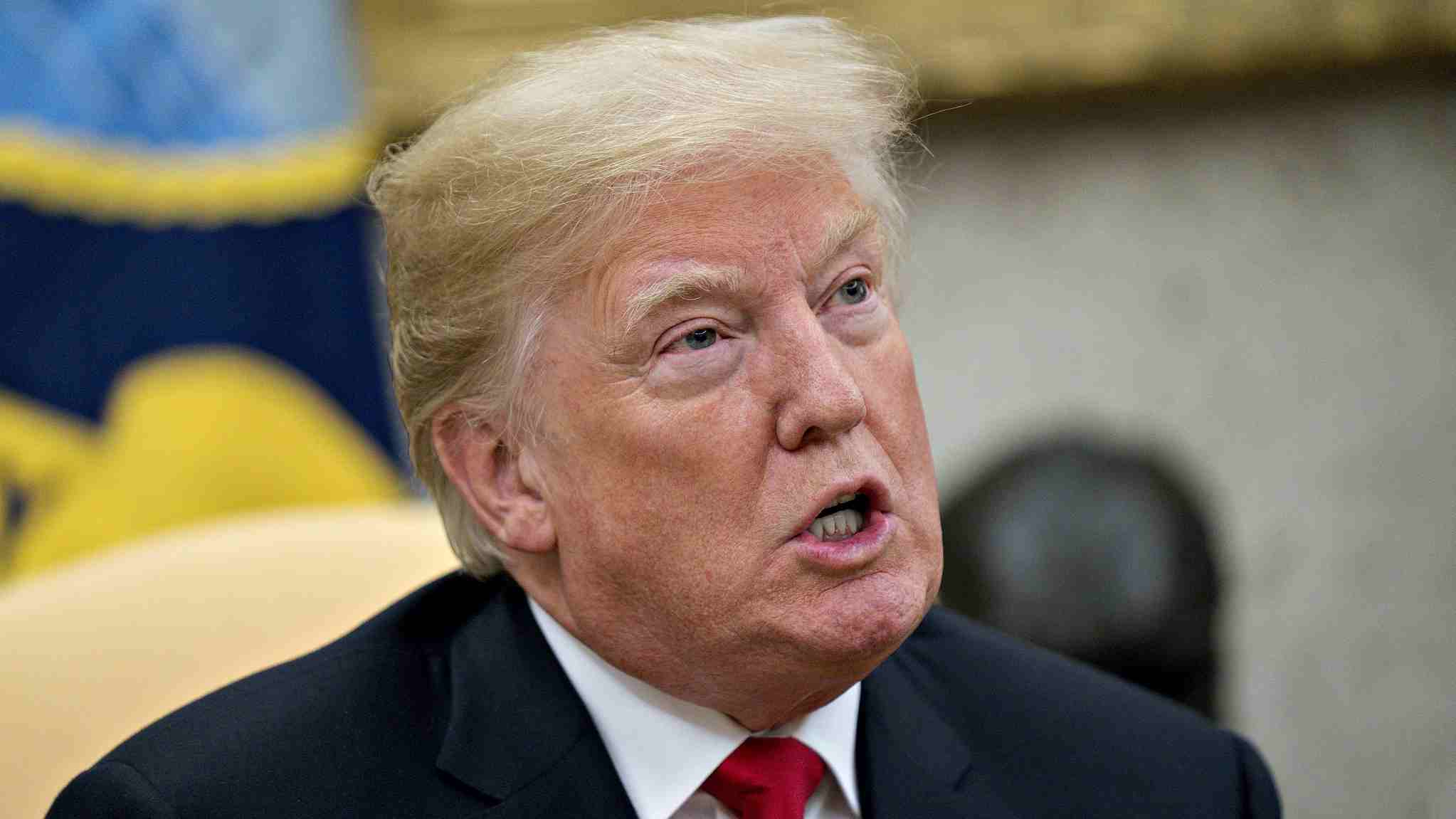
He did not have to name as to who has made such "unwarranted" accusation. US President Donald Trump has made it pretty clear in his earlier remarks: "Regrettably, we found that China has been attempting to interfere in our upcoming 2018 election coming up in November against my administration."
Let's forget the fact that the session when Trump made such remarks was meant to focus on nonproliferation and Trump has every reason to divert the attention given its isolated position on the Iran nuclear deal. Accusing other countries of meddling in the election, trying to interfere in a democratically elected government is a terribly serious accusation, one on which the Trump administration has provided scant details and zero evidence.
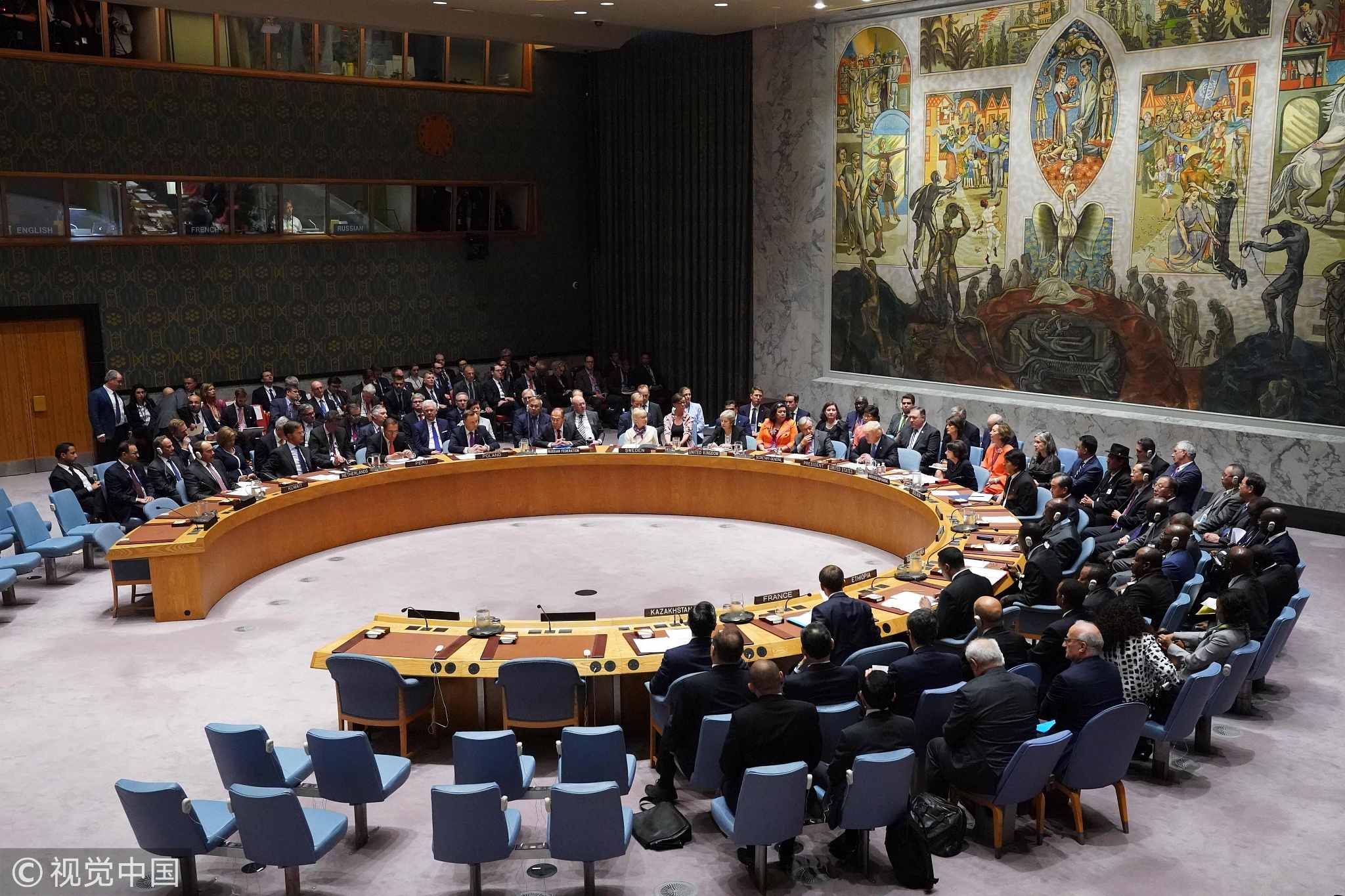
General view taken as US President Donald Trump opens the UN Security Council meeting on September 26, 2018 in New York on the sidelines of the UN General Assembly. /VCG Photo
General view taken as US President Donald Trump opens the UN Security Council meeting on September 26, 2018 in New York on the sidelines of the UN General Assembly. /VCG Photo
To supplement his argument, later that day Trump claimed in a tweet that China Daily placed an ad in the Des Moines Register which designed to look like news articles, and emphasize the cost of trade war that the US is currently having with China.
However, western media outlets believe that, in fact, it is quite common for China and other countries to publish advertisements in American newspapers. The Washington Post says that China and Russia, as well as other countries, have been buying ads in many American newspapers for years, including in the Washington Post.
The New York Times says: “Trump's comments on China triggered a few doubts: is Trump trying to divert attention from other issues? Or is he really worried about the prospects of the Republican Party in the mid-term elections in November?”
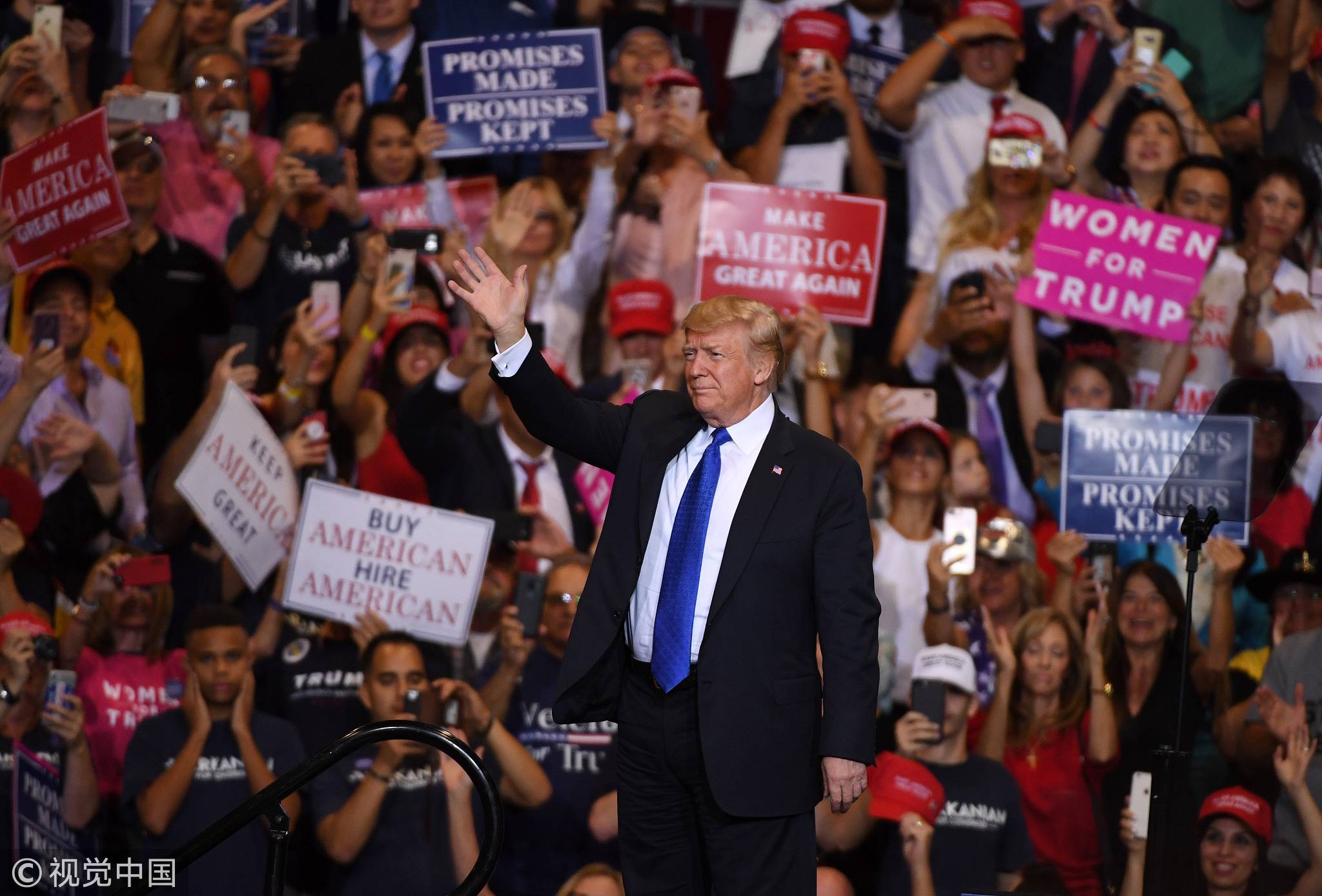
US President Donald Trump waves as he walks onstage for a campaign rally in Las Vegas, Nevada, September 20, 2018. /VCG Photo
US President Donald Trump waves as he walks onstage for a campaign rally in Las Vegas, Nevada, September 20, 2018. /VCG Photo
A senior official in the Trump Administration later tried and failed to find further material to support Trump's accusations against China. The Wall Street Journal reports that this official said in a press conference that China's activities “reached an unacceptable level”, “far beyond the level at which most other countries act”. He claimed that China is also active in the cyber realm, but didn't give any details, nor provided any evidence to prove that China interferes with American political activities as much as Russia secretly did in the US general election in 2016.
The CNN points out that this official couldn't furnish any evidence to support Trump's claims. The Chinese activities that he mentioned have no direct connection with the mid-term elections. Furthermore, he didn't provide any explanation as to why such activities should be seen as interference, but merely said that the Trump Administration is “in the process of categorizing information” and that Vice President Mike Pence will call attention to China's interferences in his speech next week at the Hudson Institute.
Though not founded on concrete evidence, America's China policy is raising concerns. The Washington Post says that Trump's claim that China is interfering in America's mid-term elections as retaliation in response to the ongoing trade war between Washington and Beijing marks a new front in the battle between the two countries. The article believes that the Republicans are facing difficult mid-term elections, and that the purpose of Trump's accusations against China is that if the Republican Party couldn't retain control of the Congress, it could blame the result on external forces.
On September 27, Russian news channel RT quoted an expert's analysis that the anti-Russia agenda of the US is running on fumes. It's simply impossible for Russian hackers to keep interfering in electoral activities over so many years. Therefore, Trump needs a new bogeyman that may harm the US. Against the backdrop of the trade war between China and the US, Beijing is the top candidate.
(If you want to contribute and have specific expertise, please contact us at opinions@cgtn.com.)