
Business
18:28, 02-Jun-2018
Greek banks should step up efforts to lower NPLs: experts
 ["europe"]
Share







Copied
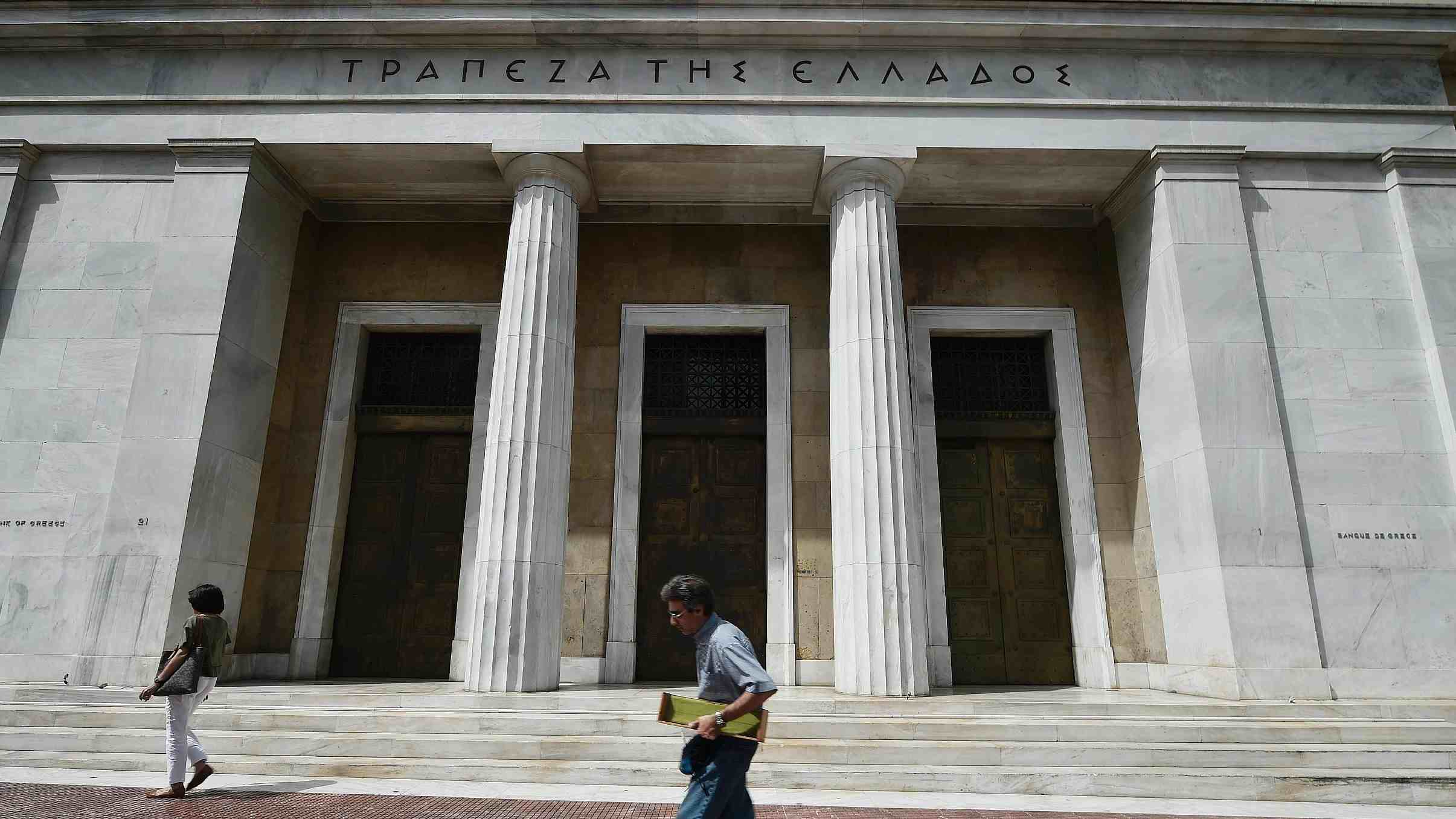
The Bank of Greece (BoG) on Thursday warned in a report that the rate of non-performing loans (NPLs) in Greece will be particularly high, even if the reduction target set for the end of 2019 is reached.
The report showed that the country's central bank recorded a drop of the NPLs rate from 44.8 percent of all loans at the end of 2016 to 43.1 percent at the end of last year, amounting to 95.7 billion euros (112 billion US dollars), against 106.3 billion euros (123.9 billion US dollars) a year earlier.
Although the rate of Greek banks' NPLs is in decline, meeting the target of 35.2 percent by the end of 2019 may not suffice for the banking sector, the BoG warned, calling on local lenders to revise their business plans.
"There is no doubt the systemic banks have to act faster and more efficiently, and the current effort to sell NPL portfolios to funds is in this direction," University of Athens economics lecturer Dimitris Kainourgios said on Friday.
The central bank stressed the need for coordinated action by banks regarding debtors with multiple creditors and the identification of strategic defaulters, as well as resolving the issue of unsustainable over-indebted companies.

People withdraw money from a cashpoint at a bank in Monastiraki on June 21, 2011 in Athens, Greece. /VCG Photo
People withdraw money from a cashpoint at a bank in Monastiraki on June 21, 2011 in Athens, Greece. /VCG Photo
The Greek credit system has repeatedly required cash injections through three recapitalizations after the outbreak of the financial crisis in 2009. Despite the progress noted in recent successful stress tests of the European Central Bank, it continues to suffer from structural problems and is unable to finance the economy sufficiently.
"For the banking system, passing the stress test is not enough, as the job of banks is to gather deposits and issue loans. When you have a credit contraction, the system is not working," former deputy prime minister Evangelos Venizelos told an Economic Chamber of Greece forum earlier this week.
Source(s): Xinhua News Agency