
Culture
11:02, 29-Apr-2018
Government investment helps tea business flourish in eastern China
 ["china"]
Share







Copied
02:11
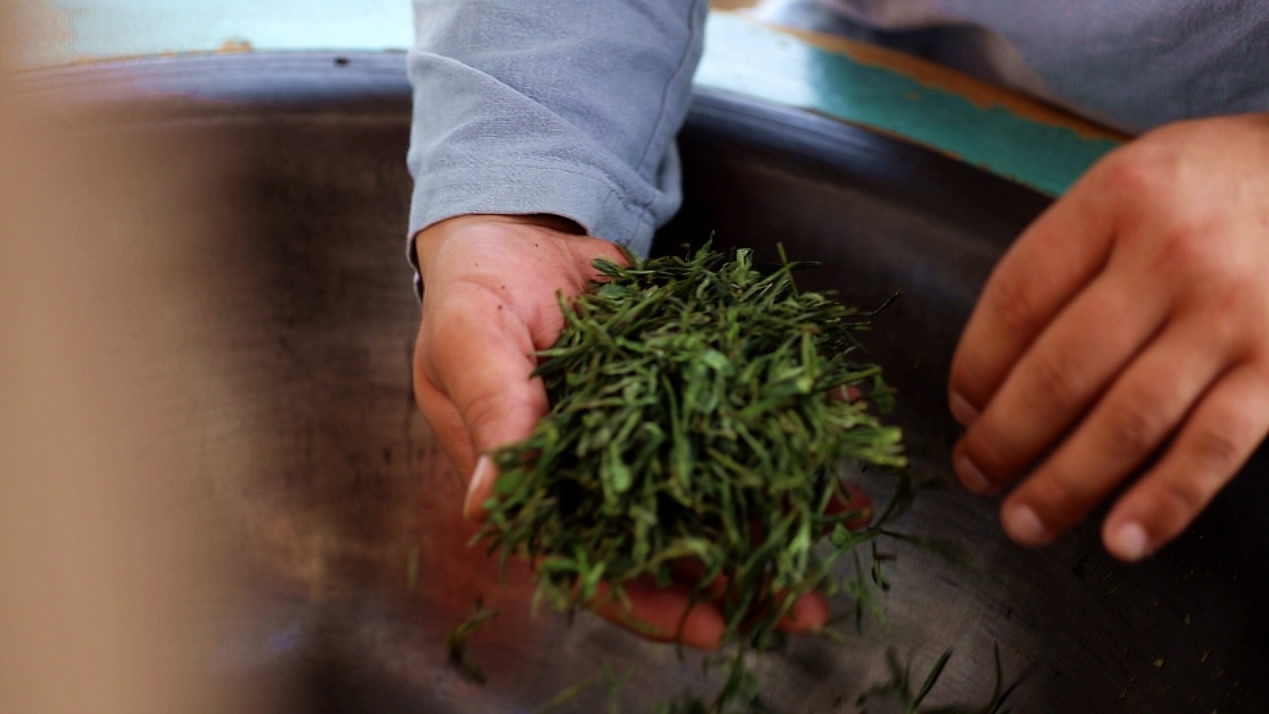
36-year-old Tao Yujun, a master tea roaster, has been living in the Bashan Village since he was born. The village located in the Fuyang District of Hangzhou, capital of east China’s Zhejiang Province, has been a major tea producing area in the country.
Tao has been roasting tea for nearly two decades. His family is one of many local families involved in the tea business in Bashan. He has witnessed the lows and highs of the business in the village.
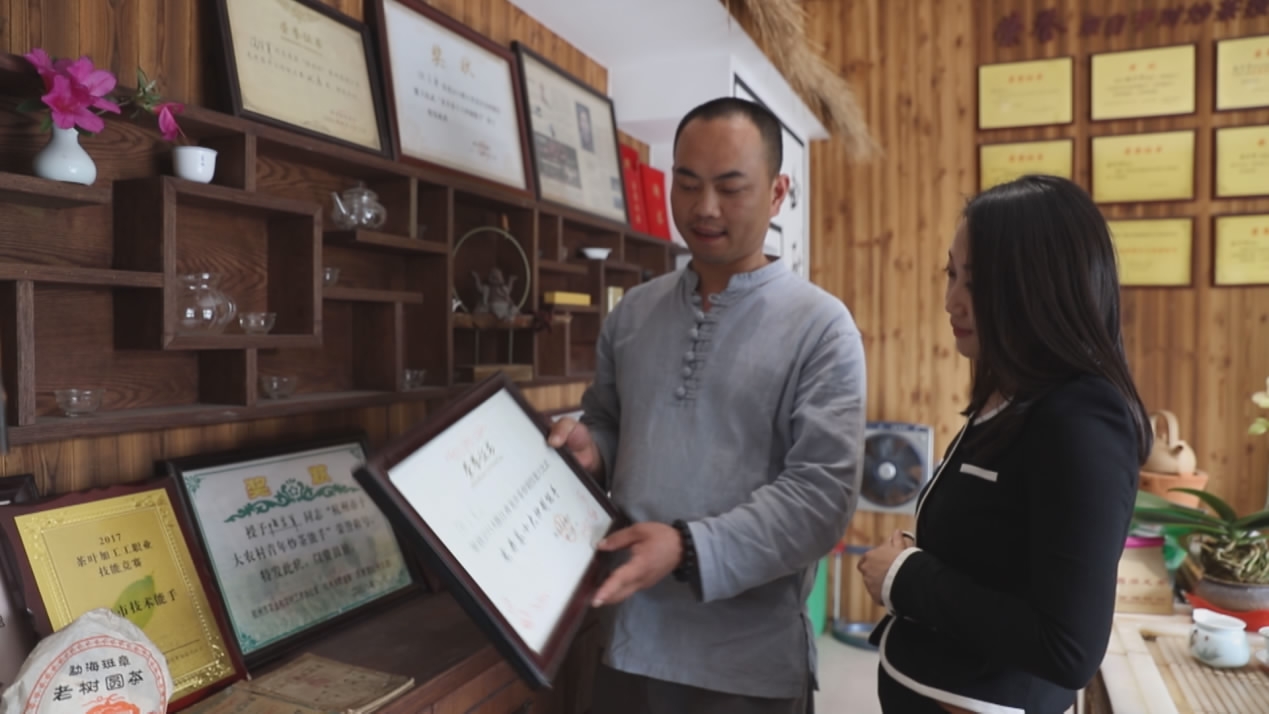
Tao Yujun has won many tea roasting competitions. /CGTN Photo
Tao Yujun has won many tea roasting competitions. /CGTN Photo
“Twenty years ago, the average family income here was only twenty thousand yuan a year. But since local officials started to give more support, our business has been growing fast. Now a family can make around two hundred thousand yuan a year on average,” Tao told CGTN.
Tea planting in Bashan has a history of more than 400 years. Its tea field is only about 8 kilometers away from where the renowned West Lake Longjing tea is produced. Thanks to similar natural conditions, the tea produced there actually shares the same good quality as the West Lake variety.
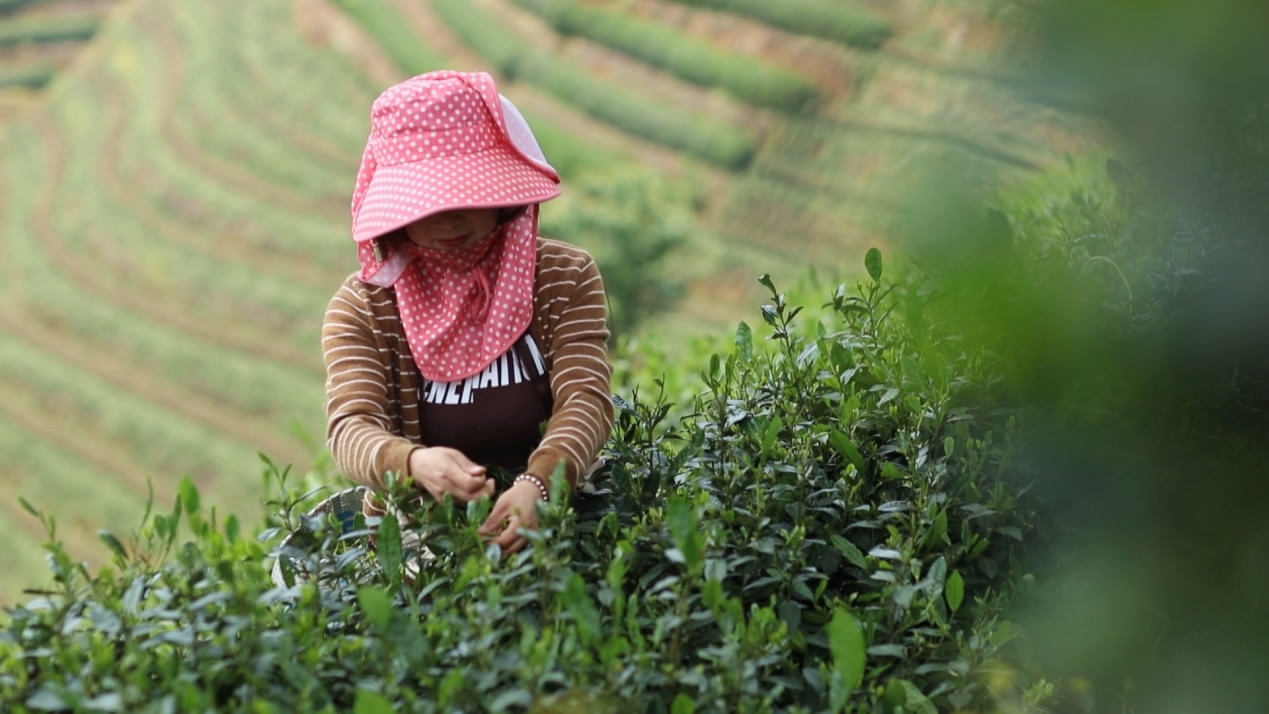
A tea farmer picks tea leaves in the garden. /CGTN Photo
A tea farmer picks tea leaves in the garden. /CGTN Photo
However, without its own brand, for many years, tea produced in Bashan has been purchased and labeled by other famous tea labels. In an effort to change the situation, in 2006, the local government decided to support the local tea business and establish its own brand: Bashan Gaofeng Tea.
Tens of millions of yuan were invested to improve the tea planting facilities, build a new tea processing center. There's also a new tea culture garden and many other tourist facilities.

The village hopes their own brand Bashan Gaofeng can gain more popularity in the future. /CGTN Photo
The village hopes their own brand Bashan Gaofeng can gain more popularity in the future. /CGTN Photo
Tao feels happy to see the change. He said: “Now our tea fields have become more beautiful. Roads on the hills were improved and we also have a better irrigation system. All these improvements have helped us make more money.”
The tea planting area in Bashan has expanded from several hundred thousand square meters to over 6 million square meters. And the beautiful view has been attracting more visitors.
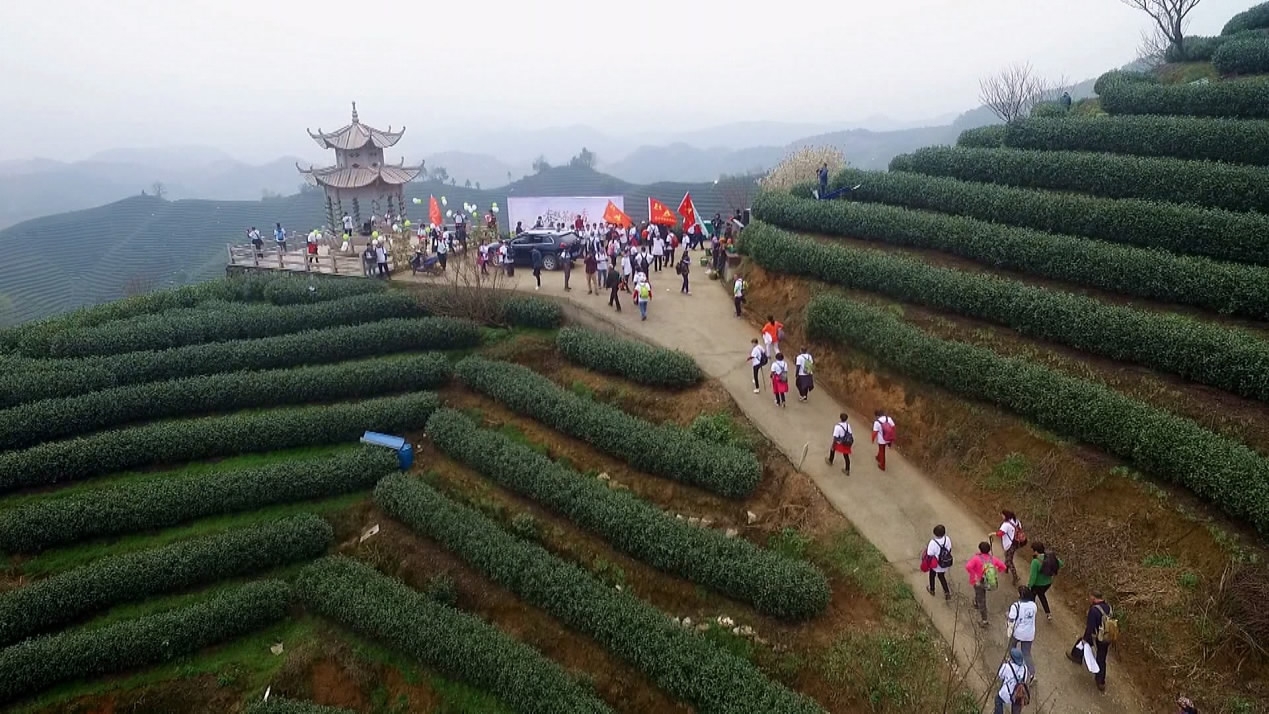
The beautiful tea fields in Bashan are attracting more visitors. /CGTN Photo
The beautiful tea fields in Bashan are attracting more visitors. /CGTN Photo
Zhu Chi, head of Fuyang Gaofeng Tea Cooperative, said: “The tea industry in Bashan is now attracting more and more business people and tourists. This has all contributed to local economic development.”
In the last few years the Chinese government has been calling for the development of a beautiful countryside. It's also been encouraging villages to improve their livelihoods by developing their own businesses.
The Bashan village is one of many villages across the country that are making better use of their natural environment to help villagers build a better life.