
North America
13:15, 12-Apr-2019
Investigate the investigators: battle over Mueller report enters new territory
 ["china"]
Share







Copied
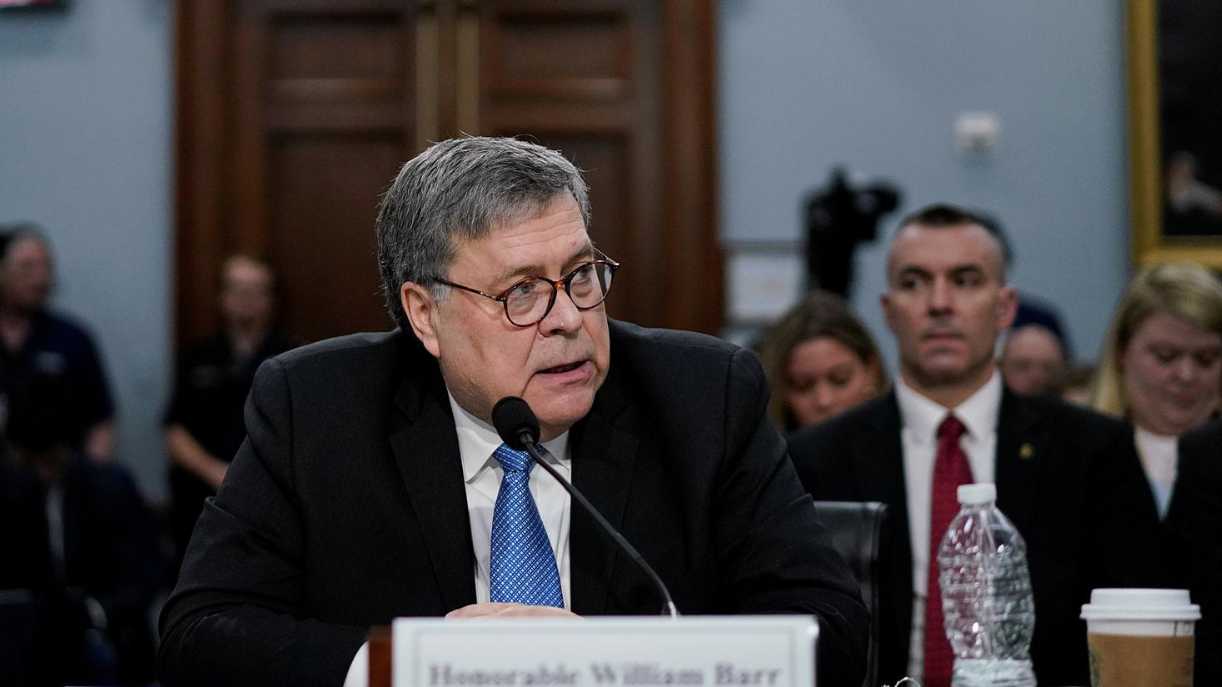
In a contentious House hearing, U.S. attorney general William Barr dropped the bombshell statement that "spying did occur" in the FBI's Russia probe, suggesting that he was preparing to look into the investigation against the Trump campaign in mid-2016.
This echoes Trump's often-repeated accusation that the Russia probe was politically motivated and immediately led to heightened partisan tension as members of Congress wait anxiously for the release of the full Mueller report.
Though Barr clarified that he did not suggest unauthorized surveillance was used in the Russian probe, the fact that the chief law enforcement officer gave a nod to the president's allegation is astonishing. Shortly after the hearing, President Donald Trump said Barr's statement was "absolutely true," and ventured to take a step further in saying that the spying was "illegal" and "unprecedented."
The myth over the wiretap scandal
The allegation that FBI was "spying" on Trump campaign first originated from a 2017 Trump tweet which suggested the Obama administration had him "wiretapped."
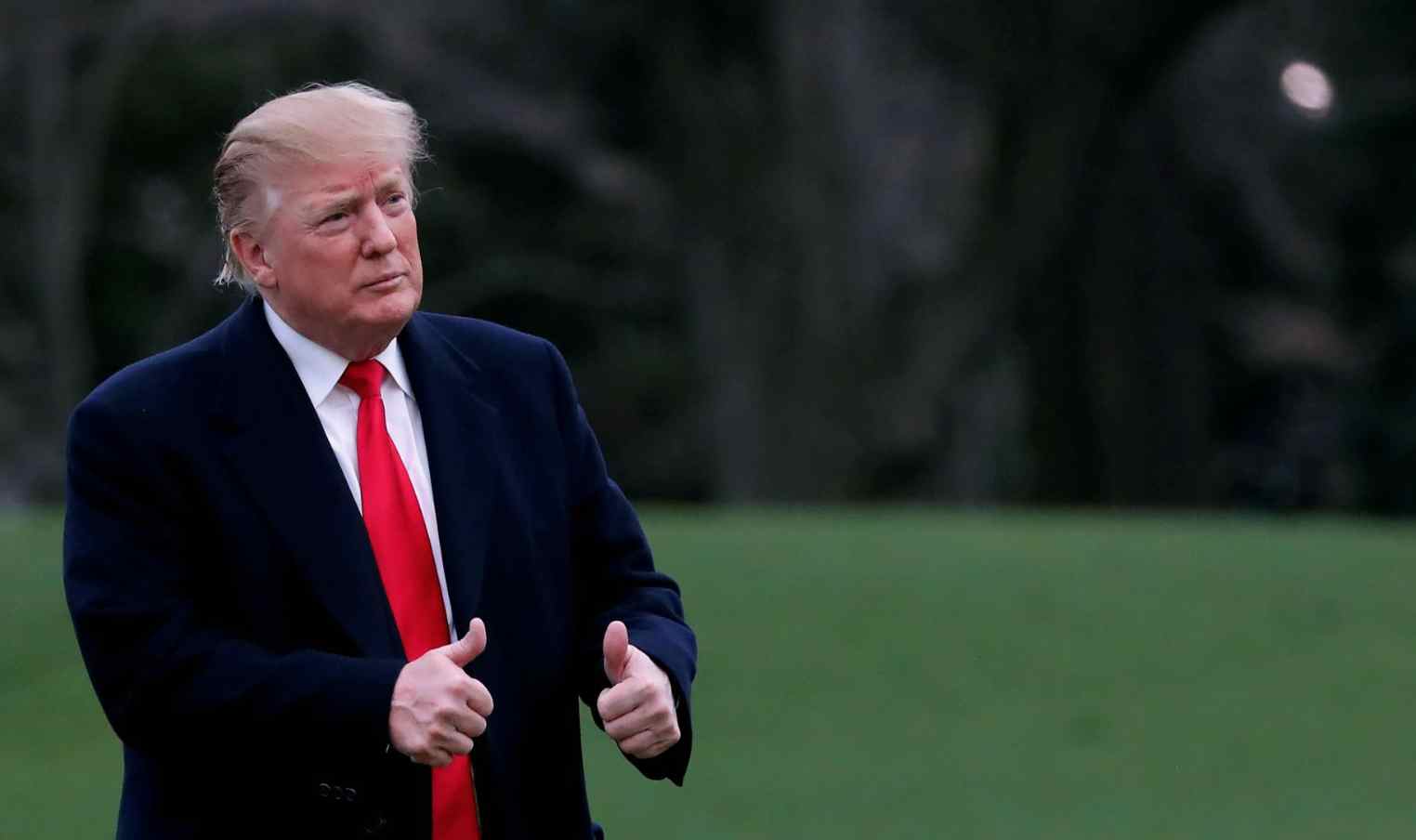
President Donald Trump reacts as he returns to the White House after his AG reported to congressional leaders on the submission of the Mueller report, March 24, 2019. /Reuters Photo
President Donald Trump reacts as he returns to the White House after his AG reported to congressional leaders on the submission of the Mueller report, March 24, 2019. /Reuters Photo
Trump at the time did not say where he had obtained the information, but did reiterate the claim in a succession of tweets.
After retreating from the media circle for a few months, the allegation again was pushed to the front. A bombshell media report published in early 2018 suggested Trump's foreign policy adviser during the campaign, Carter Page, was wiretapped by the FBI under suspicion of acting as a foreign power and the warrant was granted by the court on the basis of unverified opposition research.
The legality of that warrant is still at the center of the debate, but the allegation that the Justice Department, and specifically the FBI, launched the investigation on shaky grounds became a recurrent talking point in Trump's tweets.
Can Barr be trusted?
Even as the Mueller investigation was about to draw to an end, the allegation that the investigation was politically motivated never receded.
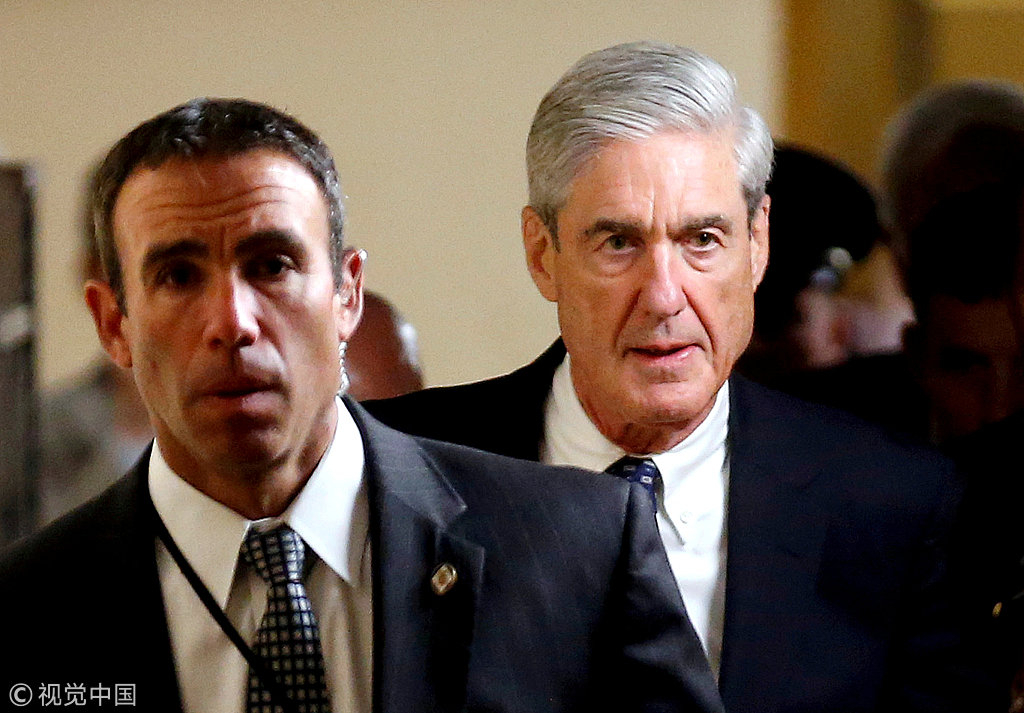
Special Counsel Robert Mueller departs after briefing members of the U.S. Senate on his investigation into potential collusion between Russia and the Trump campaign on Capitol Hill, June 21, 2017. /VCG Photo
Special Counsel Robert Mueller departs after briefing members of the U.S. Senate on his investigation into potential collusion between Russia and the Trump campaign on Capitol Hill, June 21, 2017. /VCG Photo
Barr's predecessor, former attorney general Jeff Sessions, recused himself from the Russia investigation, paving the way for his firing by the president.
But Attorney General William Barr, on the other hand, did not shy away from expressing his opinion on the Russia investigation. Before his coming to office, Barr, still a private citizen, sent an unsolicited letter to the Justice Department criticizing the genesis of the investigation.
The revelation of the letter was one important reason behind Democrats' skepticism towards Barr's four-page summary of the Mueller report. Democrats argue that since Barr, from the very beginning, considered the probe an illegitimate one, he cannot be trusted in delivering the findings of the report, especially when the Special Counsel himself did not draw a conclusion on the issue of obstruction of justice.
Trump declared "complete exoneration" as a result of Barr's summary, though Democrats argued that Mueller's full report may contain damaging details that the four-page summary failed to include.
David Cicilline, a member of the House Judiciary Committee, criticized Barr's summary report in saying that while it took Mueller 22 months to investigate, "Mr. Barr in 48 hours turns that around and say, 'Oh no, I've looked at it. He's exonerated. He hasn't committed that offense."
Battle over full report's release
Though Barr promised that the much-awaited Mueller report would be released within the next week, he said four categories of material would be redacted: grand-jury material, classified information, information connected to pending investigations, and information that would invade the privacy of "peripheral third parties."
The fact that Barr did not promise to release the full report increased Democrats' suspicion, since what would be redacted lies within the discretionary power of Barr and the Justice Department.
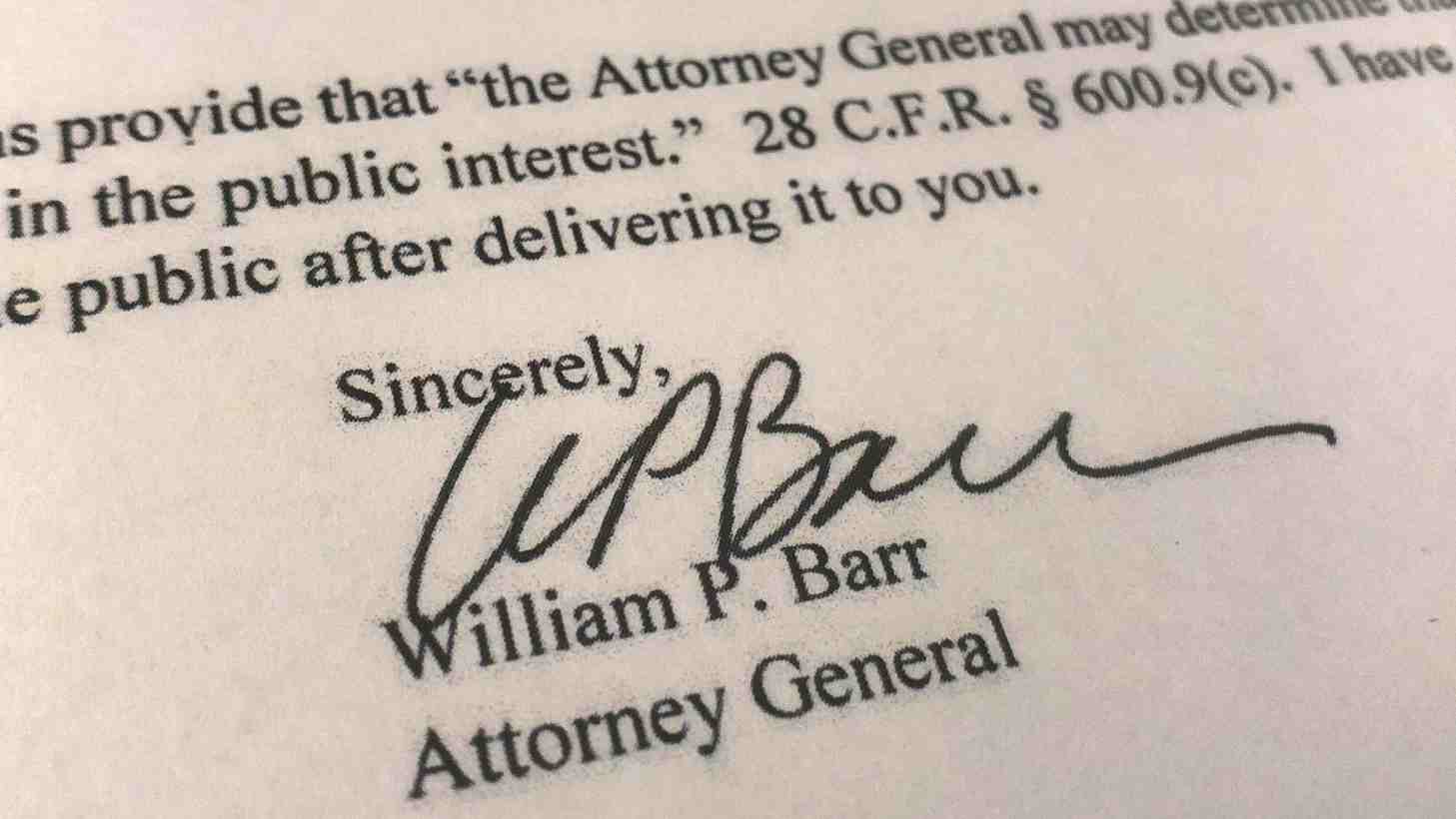
Barr's signature is seen on a copy of his letter to U.S. lawmakers stating that the investigation by Mueller has been concluded, March 22, 2019. /Reuters Photo
Barr's signature is seen on a copy of his letter to U.S. lawmakers stating that the investigation by Mueller has been concluded, March 22, 2019. /Reuters Photo
The House Judiciary Committee has already authorized a subpoena for an unredacted version of the report if Barr insists on not letting the committee see the full version.
Though some lawmakers acknowledge that classified intelligence information should be withheld from the public, they argue that they need to see the full report to exercise their constitutional oversight responsibilities.
While Barr's decision to look into the Russia probe won cheers from Republicans, it reinforced the perception Democrats hold that Barr was Trump's "protector." Shortly after the hearing, House and Senate Democrats wrote a letter to Barr reasserting their expectation for the full unredacted Mueller report.
"Your testimony raises questions about your independence, appears to perpetuate a partisan narrative designed to undermine the work of the Special Counsel, and serves to legitimize President Trump's dangerous attacks on the Department of Justice and the FBI," the letter said.
If the attorney general refuses to cooperate with the subpoena, a long legal battle will ensue. There is no end in sight for the battle over the Mueller report.
(Top image: U.S. Attorney General William Barr testifies on the Justice Department's budget proposal on Capitol Hill in Washington, April 9, 2019. /Reuters Photo)