
Opinions
10:20, 07-Aug-2018
The Heat: The global impact of Iran-US tensions
Updated
09:02, 10-Aug-2018
 ["china"]
Share







Copied
01:07
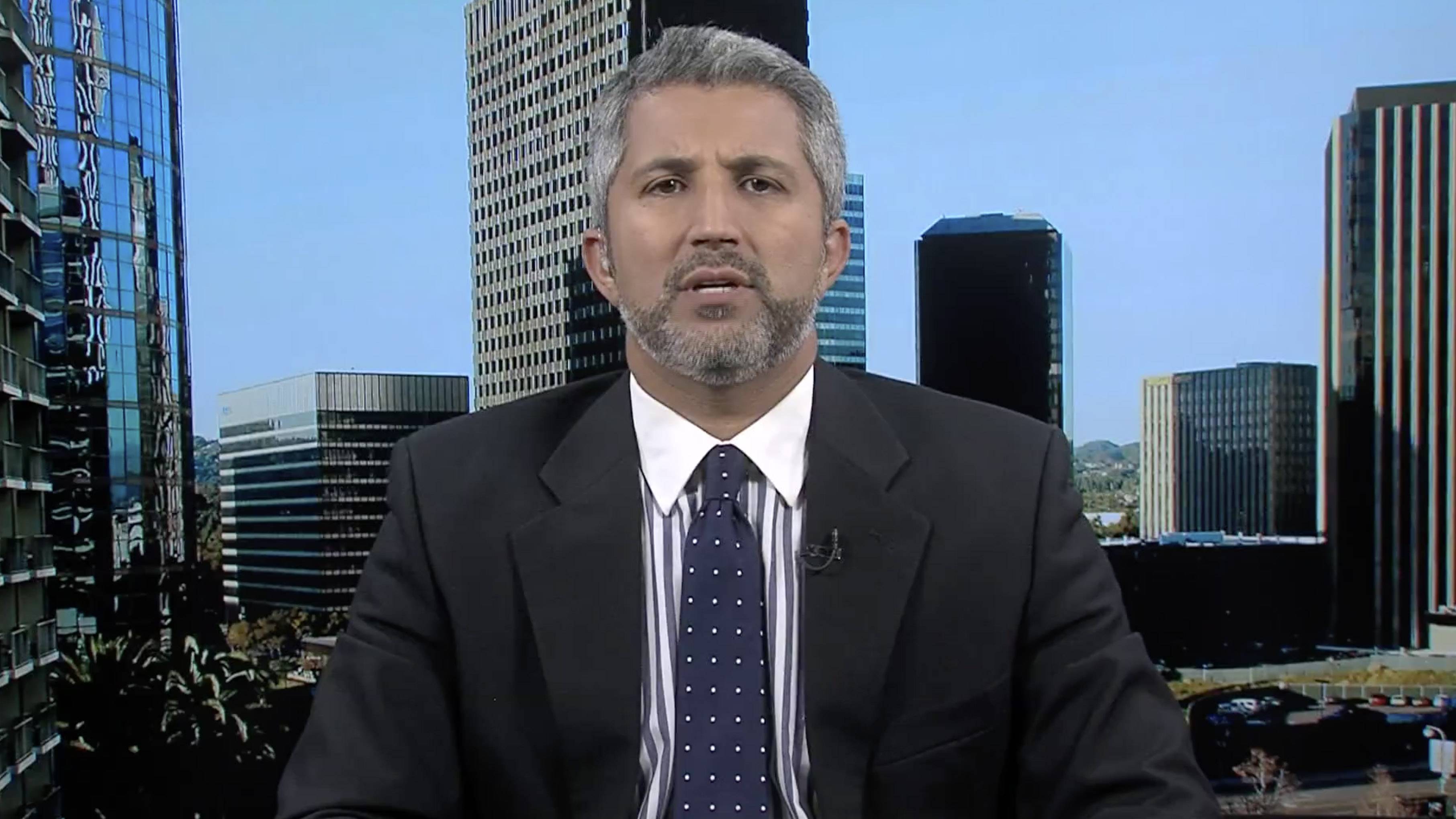
One week after warning Iranian President Hassan Rouhani on Twitter, US President Donald Trump announced at the White House that he is willing to meet Iran’s leadership, “without any preconditions, whenever they want.” Iran rejected the offer, carrying out naval exercises near the Strait of Hormuz, a very strategic corridor for international oil trafficking.
Experts suggested not overrating the message of the naval patrol, as it is a routine exercise of Iran on an annual basis. “Just like the US carrying out naval exercises in San Diego,” said Nathan King, CGTN’s White House correspondent. “You need to look at it geographically.”
Although Iran insisted on delivering a hardline speech, it is by no means a competent rival to the US in terms of military forces. According to Alexander Azadgan, a senior geopolitical analyst and a professor of International Political Economics, the US president is well aware that he is in an advantageous position and the Iranians “don’t have any leverage against the United States.”
Opinions are divided between the executive branch and the armed forces in Iran. “Liberals in Tehran who are in charge of the executive branch think that they should always be making compromises,” said Azadgan. “However, the general of Iran directly referred to himself as the representative of Iran(ian) people, and for them, the negotiation about the missile program is a red line.”
The furious IRGC is also upset by the fact that the currency has lost two-thirds of its value in the past several months, and President Rouhani needs to explain the struggling domestic economy to lawmakers within one month. To make things worse, the US sanctions on Iran are back.
“Anything that would be destabilizing the world economy, especially the Strait of Hormuz where 20 percent of the oil is brought to the rest of the world, would only make Iranians look bad," Azadgan said. "That's not a long-term solution."
The US is now pushing six Gulf states plus Egypt and Jordan to form a new military alliance, which is jokingly referred to as the “Arab NATO” by some political analysts.
This has happened in the background of Trumps’ pulling out of Syria as well as wanting to bring forces into the region. King thinks that most people expect slow progress in the construction of the alliance, and he is also concerned about its potential outcome.
“The real worry is that if you did have a united 'Arab NATO' then war perhaps with Iran is inevitable,” he said on a political talk show.
After Trump’s tweet about how he “largely solved” the DPRK nuclear problem after meeting Kim Jong Un in Singapore, the assumption is that the president will apply the same tactics on Iran. But King didn’t see anything positive to that approach.
“I can guarantee you that in Saudi Arabia and Israel, heads are spinning,” King said. “If that ever happens it will question the alliance structure that the Trump administration has pushed since the outset."
Azadgan weighed in on King's statement, saying that Trump urgently needs to apply pressure on Iran to win the mid-term election in November.
As the US urges its allies to reduce oil imports from Iran to zero, China is one of the few countries to stick by Iran and promise not to reduce imports.
According to China’s Foreign Ministery spokesman Geng Shuang, China is continuing its normal relations with Iran within the agreed framework of international obligations, and this relationship should be considered legitimate, reasonable and indisputable.
To ease the tension, however, China has also promised not to raise the amount of imports from Iran.
The European Union is inevitably involved in the conflict. “Europeans are so angry about it,” said King. “The problem now is that the US is putting pressure on the Europeans to pull out as well, which is really creating bad feelings on top of everything else.”
The Heat with Anand Naidoo is a 30-minute political talk show on CGTN. It airs weekdays at 7:00 a.m. BJT and 7:00 p.m. Eastern in the United States.