
Politics
11:21, 08-Oct-2018
Nationalist Dodik claims Serb seat in Bosnia presidential poll
Updated
11:21, 11-Oct-2018
 ["other","europe"]
Share







Copied
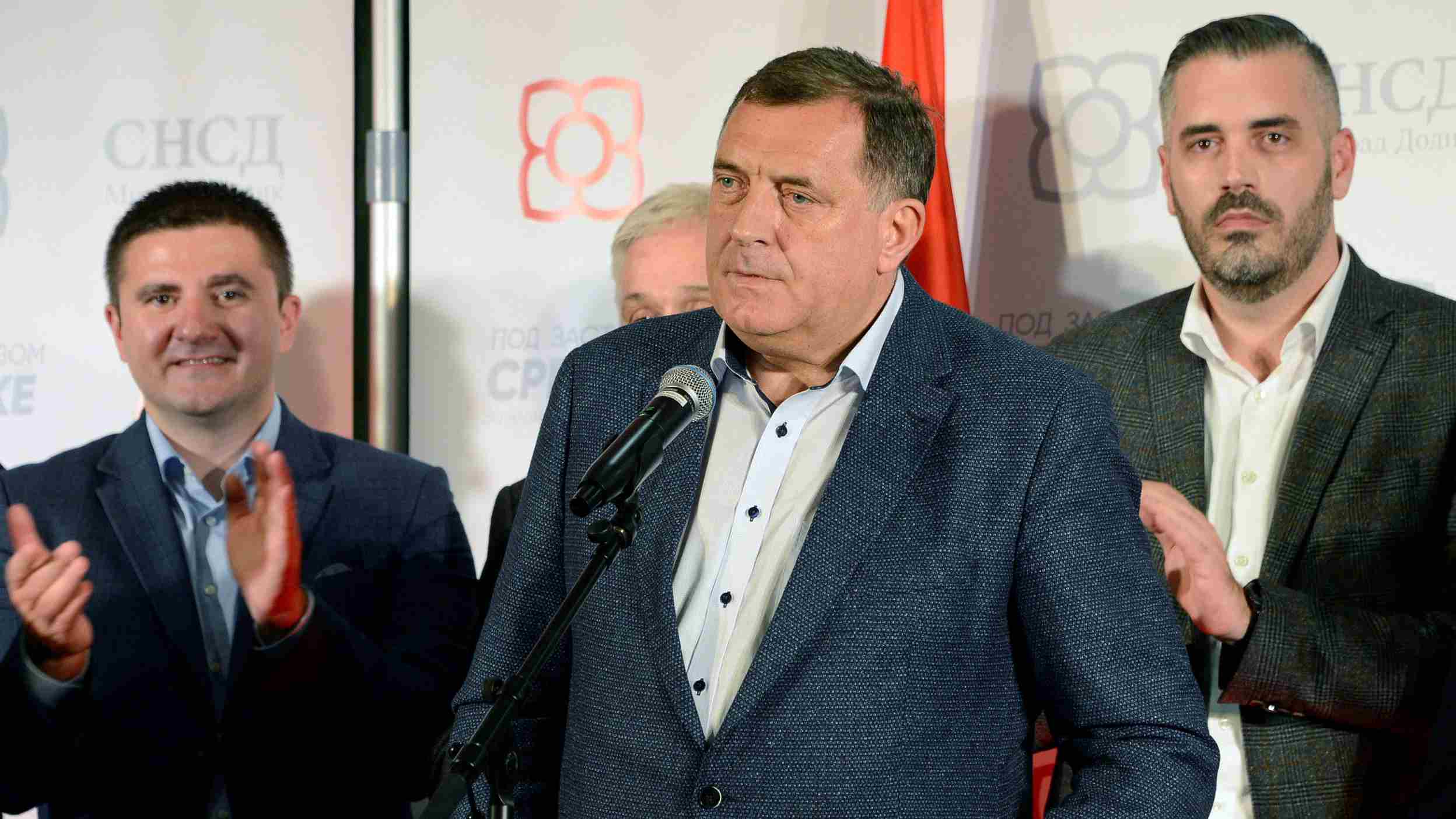
Nationalist Milorad Dodik has claimed victory in the vote for the Serb seat of Bosnia's tripartite presidency, a post he will share with Muslim and Croat leaders in a country splintered along ethnic lines.
The elevation of the hardliner to the top office lays bare the nationalism haunting Bosnia more than two decades after it was torn apart by war. Dodik is the longtime leader of Bosnia's Serb-majority Republika Srpska, one of the country's post-war entities.
He has previously threatened to hold a vote on the region's secession – a move that would unravel a delicate arrangement that has kept peace since the 1992-95 conflict. Now the firebrand will co-lead a country he has referred to as a "failed concept."
"This victory is as clean as a whistle," Dodik announced from his base in Banja Luka, the capital of the Serb-run entity. He said he captured 56 percent of the vote, beating his moderate rival Mladen Ivanic with 85 percent of the ballots counted.
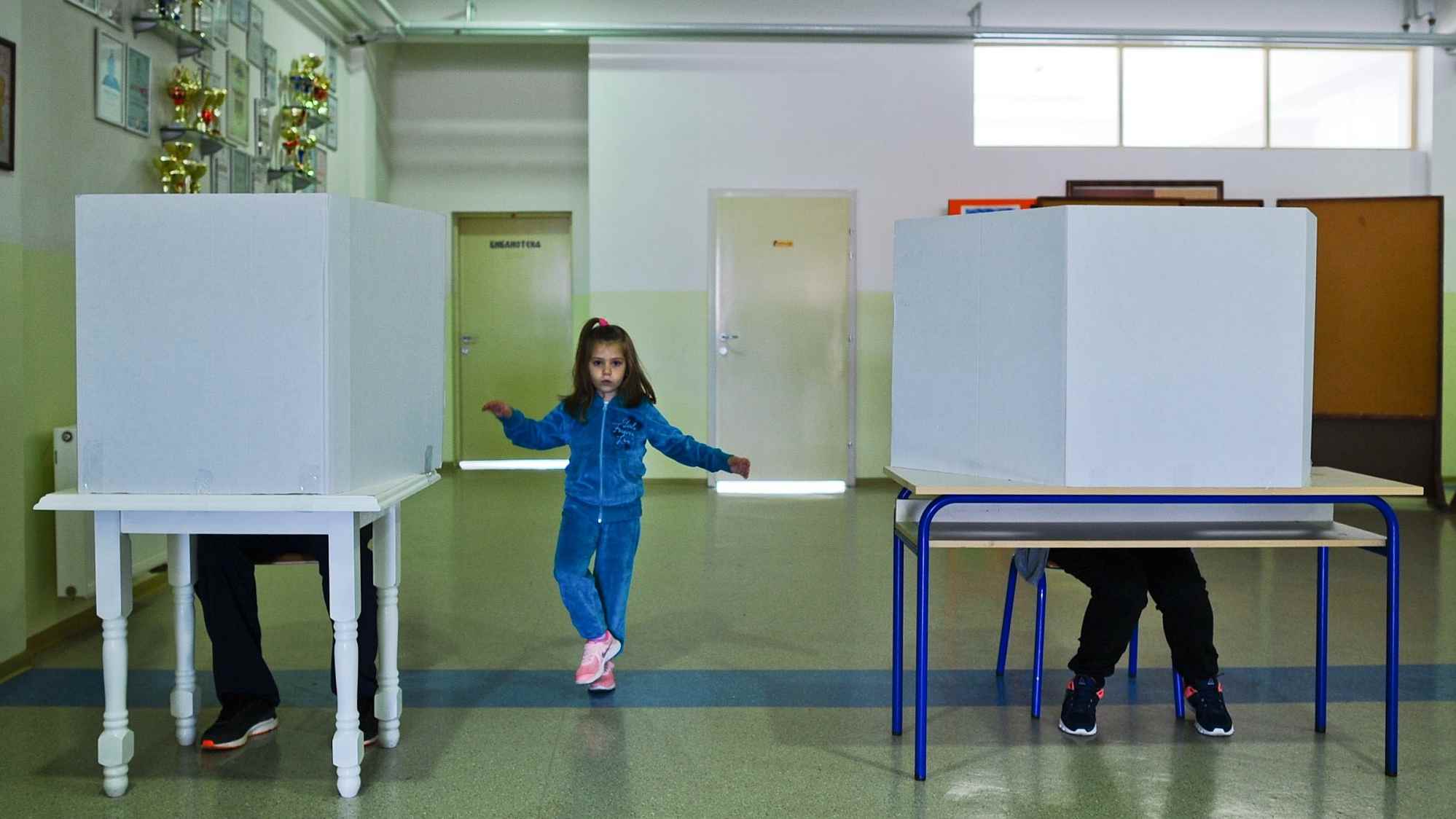
A girl is seen at a polling station during the general elections in Sarajevo, Bosnia and Herzegovina, October 7, 2018. /VCG Photo
A girl is seen at a polling station during the general elections in Sarajevo, Bosnia and Herzegovina, October 7, 2018. /VCG Photo
The electoral commission confirmed Dodik's lead, announcing after midnight that he had 55.15 percent of the vote after input from 43 percent of polling stations.
But the incumbent Ivanic claimed the race could not yet be called. "We will wait for the report of our observers to see if everything has gone well," he said in a televised statement.
Meanwhile, the main Bosnian Muslim party SDA claimed a victory for its candidate Sefik Dzaferovic in the three-person presidency.
And the Croat post went to Social Democrat Zeljko Komsic, knocking out current president Dragan Covic from the nationalist right.
Bosnia's complex political system is a relic of the 1990s war that saw Serbs, Croats and Muslims turn on each other in brutal fashion. The conflict left 100,000 dead, displaced millions and wrecked the economy and infrastructure.
The peace accord that stopped the fighting sliced the country in two halves – one dominated by Serbs and the other home to Muslims and a Croat minority. Each "entity" has its own government with a high level of autonomy.
They are held together by a relatively weak national administration, headed by the tripartite presidency which rotates between members every eight months.
Voter turnout was estimated to be close to the 55 percent figure from 2014, according to the electoral commission, with no significant incidents reported.
(Top image: Milorad Dodik attends a news conference where he declared himself the winner of the Serb seat of the Tri-partite Bosnian Presidency in Banja Luka, Bosnia and Herzegovina, October 7, 2018. /VCG Photo)
7618km
Source(s): AFP