
Pollution
09:59, 25-Jun-2018
Air pollution is causing tree malnutrition: British study
 ["china"]
Share







Copied
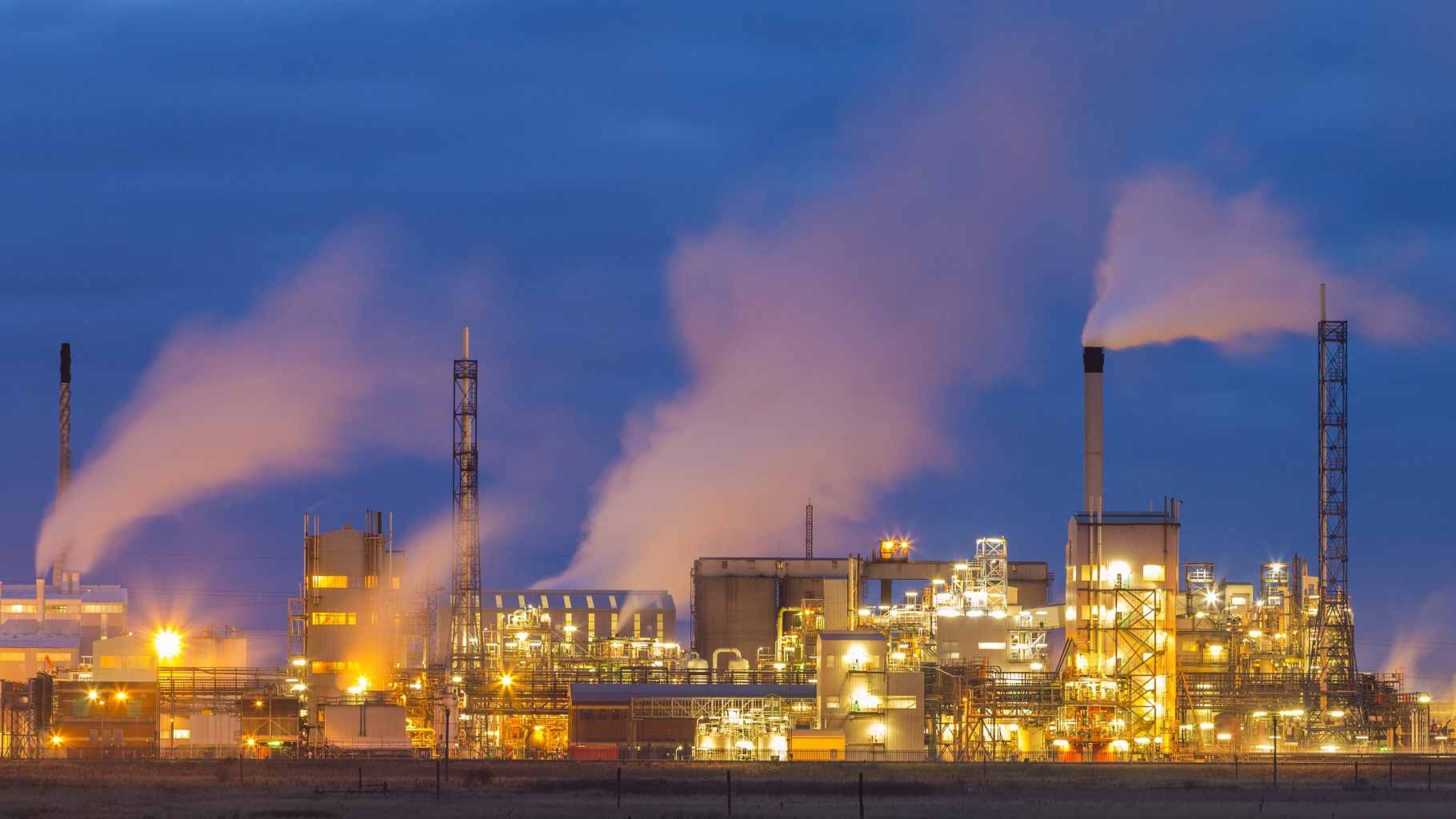
Air pollution from farms, diesel engines, and factories is leaving trees malnourished by killing off the fungi that feeds them nutrients, and is causing "alarming" levels of diseases in British trees, a study has found.
Trees across Britain and Europe have recently shown signs of illness, including discolorations and sparse growth of leaves.
Toxic levels of nitrogen in rainwater also appear to be breaking up ancient fungal highways, known as the "wood-wide web," through which trees exchange essential compounds.
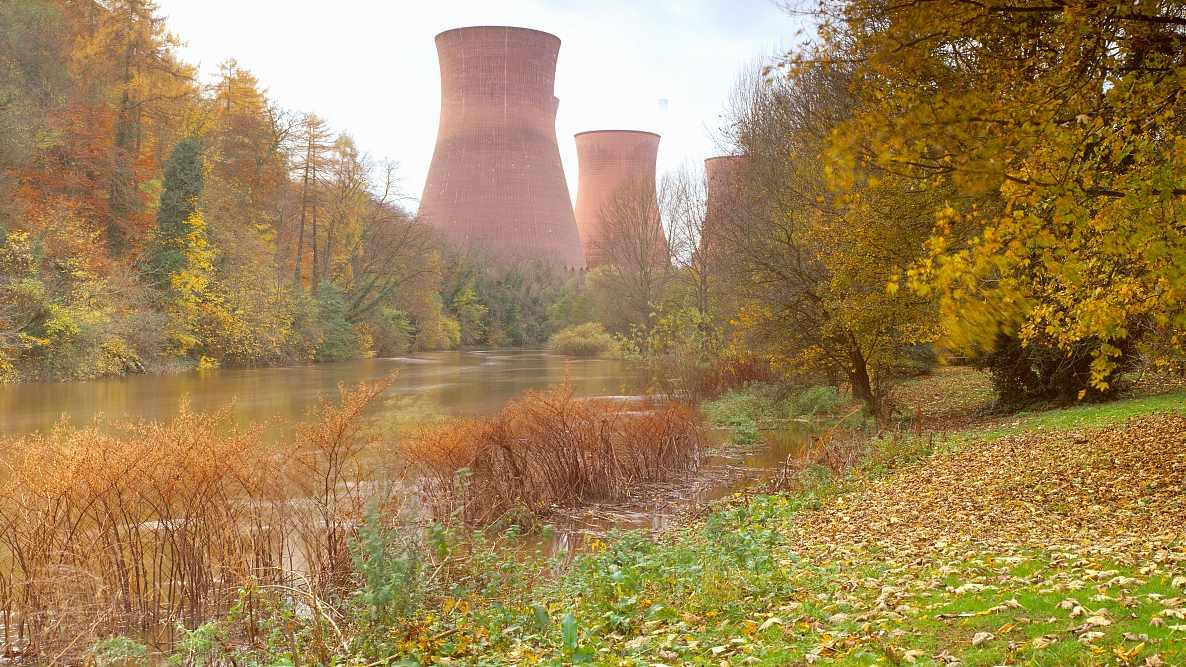
Cooling towers at a coal-fired power station, Ironbridge Power Station, River Severn, Buildwas, Ironbridge, Shropshire, England /VCG Photo
Cooling towers at a coal-fired power station, Ironbridge Power Station, River Severn, Buildwas, Ironbridge, Shropshire, England /VCG Photo
Between 15 and 90 percent of forests in the UK are thought to be stricken by pollutants that trickle down into the soil and disrupt the communities of microbes gathered around tree roots.
Now it has been found that the culprit is air pollution -- causing "malnutrition" in trees by harming beneficial fungi in the roots.
The roots rely on the mycorrhizal fungi to extract soil nutrients such as nitrogen, phosphorus, and potassium. In return, the roots pass carbon to the fungi, a mutually beneficial relationship crucial to the tree's health.
But tougher fungi, which return fewer nutrients, now thrive instead -- making the tree suffer from a lack of nutrition. As a result, researchers say legal limits on air pollution are set too high and need to be reduced.
Researchers from Britain's Imperial College and Kew Gardens studied 13,000 soil samples at 137 forest sites in 20 European countries.

The culprit is air pollution -- causing "malnutrition" in trees by harming beneficial fungi in the roots. /VCG Photo
The culprit is air pollution -- causing "malnutrition" in trees by harming beneficial fungi in the roots. /VCG Photo
The authors, writing in the journal Nature, said that recent studies recorded signs of tree malnutrition across Europe.
Over the past ten years, they examined the fungi's tolerance to pollution.
Lead researcher Martin Bidartondo, from the department of life sciences at Imperial College and Kew Gardens, said: "There is an alarming trend of tree malnutrition across Europe, which leaves forests vulnerable to pests, disease and climate change."
"A major finding of the study is that European pollution limits may be set far too high," he said. "In North America, the limits are set much lower, and we now have good evidence they should be similar in Europe."
The team found that characteristics of trees and local environmental conditions were the most important predictors of which species of mycorrhizal fungi would be present and how many there were.
[Top Image: United Kingdom, England, Hartlepool, Greatham, Titanium dioxide manufacturing plant at night /VCG Photo]
Source(s): Xinhua News Agency