
Business
17:27, 07-Jun-2018
Trump's solar tariff leads to big investment cutbacks
 ["north america"]
Share







Copied
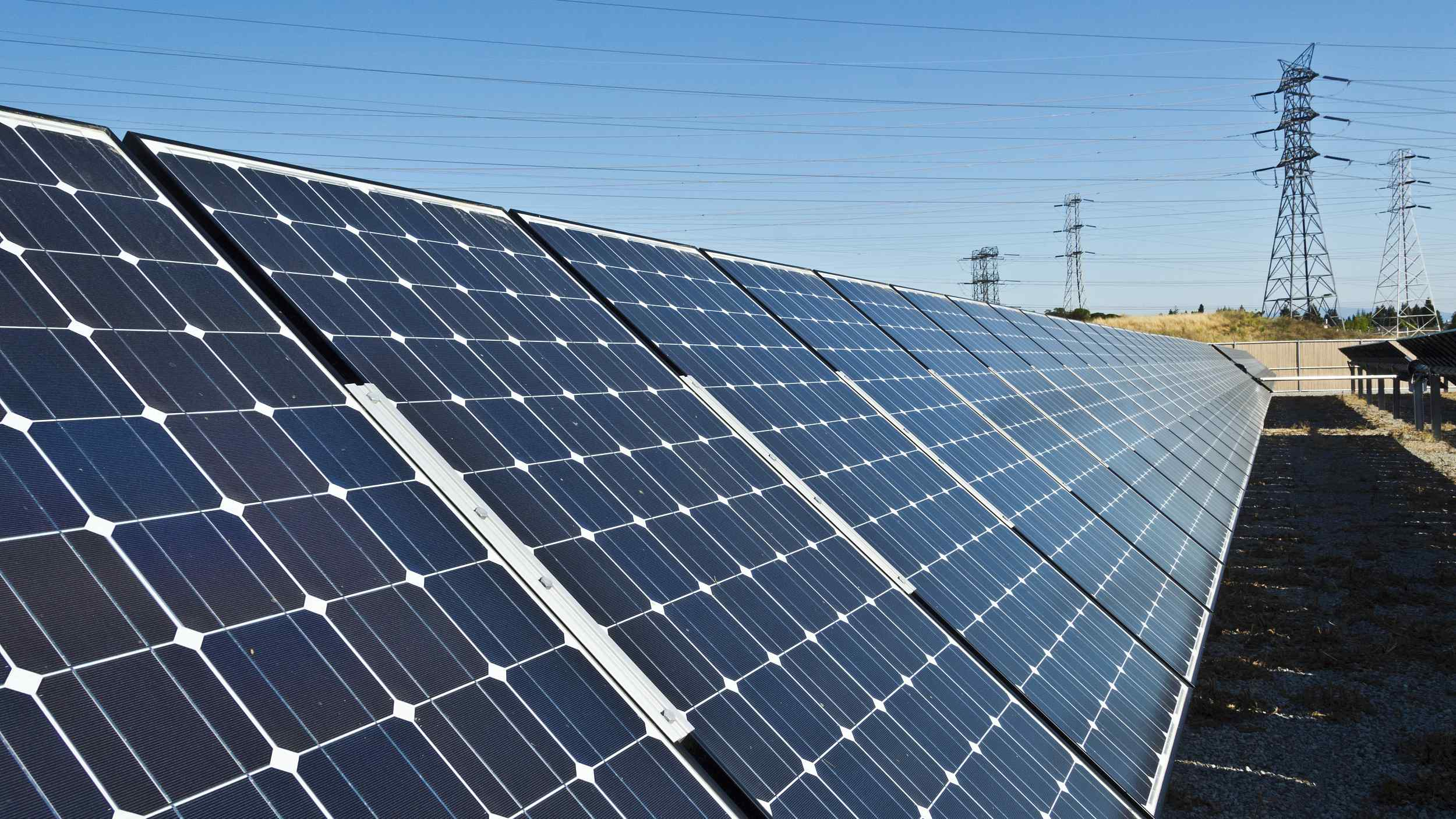
President Donald Trump’s tariff on imported solar panels has apparently caused a slowdown in investment in the sector.
Reuters quotes developers as saying that US renewable energy companies have canceled or frozen investments of more than 2.5 billion US dollars in large installation projects, along with thousands of jobs.
That’s more than double the about 1 billion US dollars in new spending plans announced by firms building or expanding US solar panel factories to take advantage of the tax on imports.
The tariff’s bifurcated impact on the solar industry underscores how protectionist trade measures almost invariably hurt one or more domestic industries for every one they shield from foreign competition. Trump’s steel and aluminum tariffs, for instance, have hurt manufacturers of US farm equipment made of steel, such as tractors and grain bins, along with the farmers buying them at higher prices.
White House officials did not respond to a request for comment.
Trump announced the tariff in January over protests from most of the solar industry that the move would chill one of America’s fastest-growing sectors.
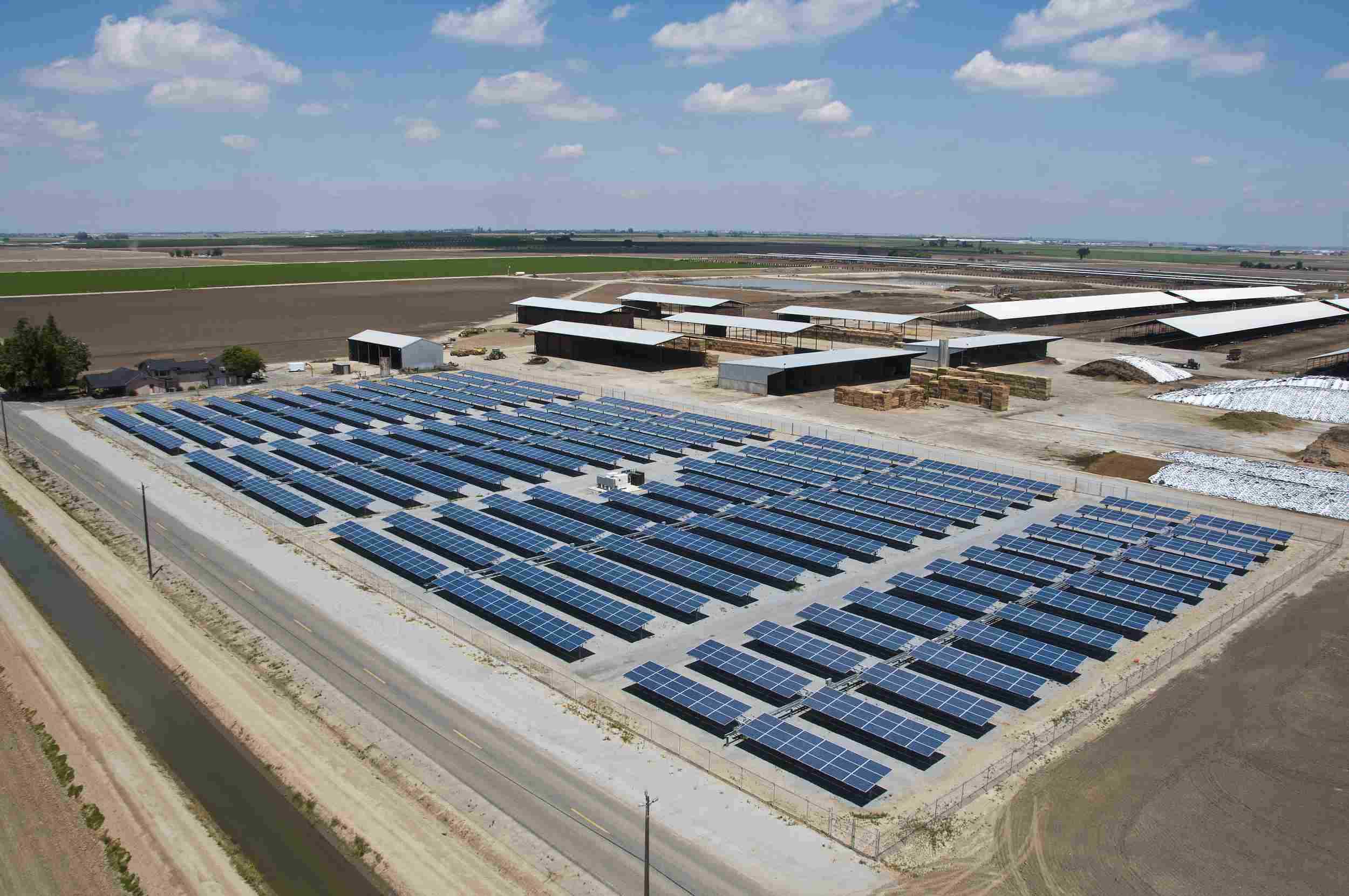
Companies with domestic panel factories are divided on the tariff policy. /VCG Photo
Companies with domestic panel factories are divided on the tariff policy. /VCG Photo
Solar developers completed utility-scale installations costing a total of 6.8 billion US dollars last year, according to the Solar Energy Industries Association. Those investments were driven by US tax incentives and the falling costs of imported panels, mostly from China, which together made solar power competitive with natural gas and coal.
The US solar industry employs more than 250,000 people – about three times more than the coal industry – with about 40 percent of those people in installation and 20 percent in manufacturing, according to the US Energy Information Administration.
“Solar was really on the cusp of being able to completely take off,” said Zoe Hanes, chief executive of Charlotte, North Carolina solar developer Pine Gate Renewables.
GTM Research, a clean energy research firm, recently lowered its 2019 and 2020 utility-scale solar installation forecasts in the United States by 20 percent and 17 percent, respectively, citing the levies.
Officials at Suniva – a Chinese-owned, US-based solar panel manufacturer whose bankruptcy prompted the Trump administration to consider a tariff – did not respond to requests for comment.
Companies with domestic panel factories are divided on the policy. Solar giant SunPower Corp opposes the tariff that will help its US panel factories because it will also hurt its domestic installation and development business, along with its overseas manufacturing operations.
“There could be substantially more employment without a tariff,” said Chief Executive Tom Werner.
Source(s): Reuters