
Opinions
11:47, 09-Aug-2018
A lonely fight: The social stigma facing people with bipolar disorder in China
Updated
11:05, 12-Aug-2018
 ["china"]
Share







Copied
00:40

In China, more so than in many other countries, mental afflictions are yet to become socially accepted.
Nationally, a survey conducted around five years ago suggested that less than 0.5 percent of China’s population, or roughly six million people, are bipolar in all of the country. However, Dr. Zhang Ling, director at the Centre for Mood Disorders at Beijing-based Anding Hospital reckons the real figure in China could, therefore, be anywhere between twice and four times as high, taking into account that international averages lie between one percent and four percent of the population.
Many cases go undiagnosed in China in part due to a lack of awareness and resources, but also because of the serious stigmatization of those suffering from mental ailments.
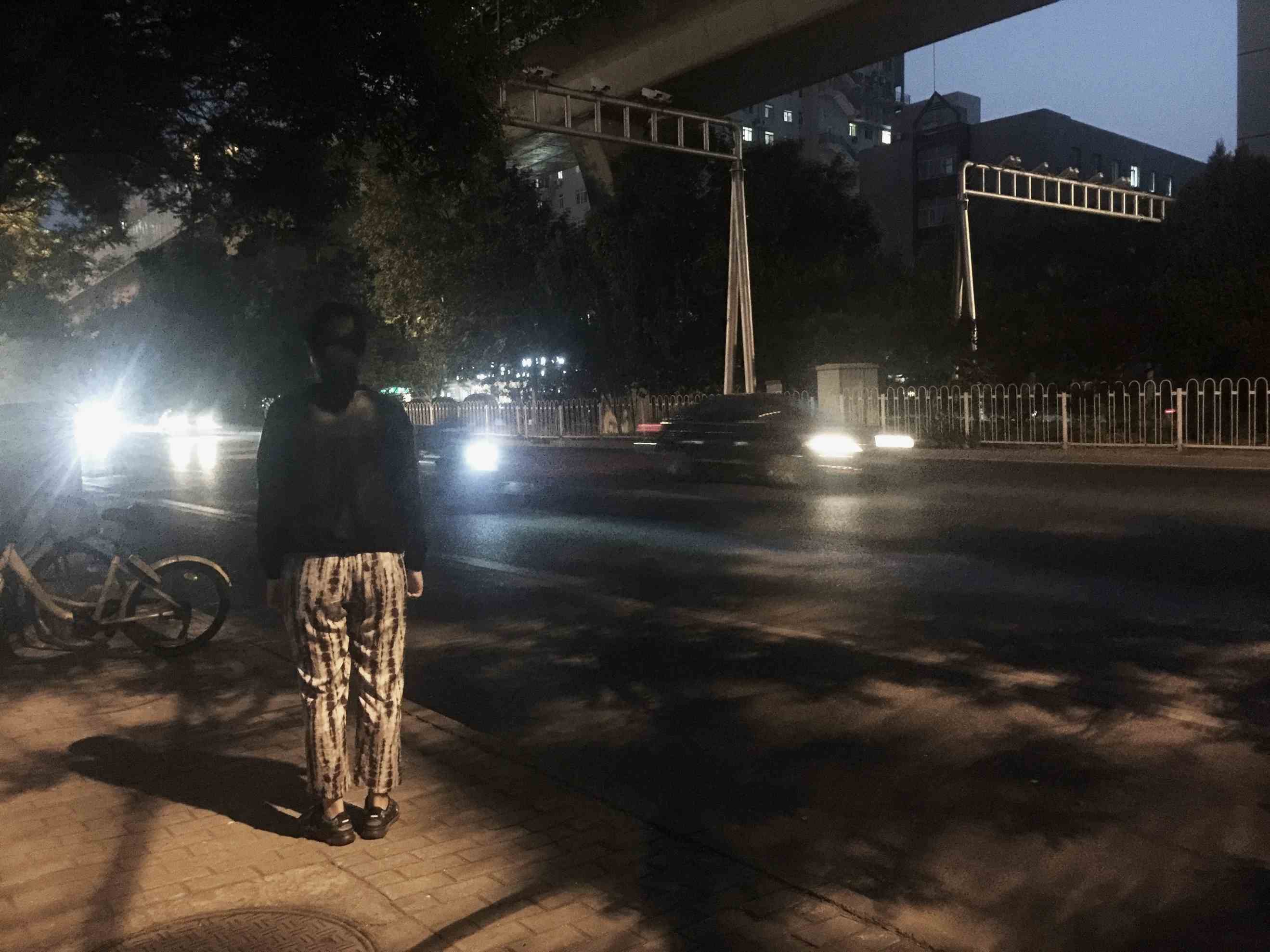
People with mental disorders in China are socially stigmatized. /CGTN Photo
People with mental disorders in China are socially stigmatized. /CGTN Photo
"In the prevailing cultural and social climate people with mental illness face discrimination in China. Many patients refuse to accept being diagnosed with a mental illness as they’re likely to be described as a psychopath or mad and face huge stress. So, many of them choose not to see a doctor," explains Dr. Zhang.
Diagnosis in many cases equates to the loss of one’s social network and a struggle to form new relationships.
Jiaxiu is a 27-year-old professional, who up until the summer of 2017 led a very typical life, with a promising career at a state-owned company ahead of her.

Jiaxiu’s diagnosis left her socially isolated. /CGTN Photo
Jiaxiu’s diagnosis left her socially isolated. /CGTN Photo
However, in June 2017 she experienced a manic episode, during which she imagined herself to be a dragon and a deity. She was sectioned at Anding Hospital’s ward after being diagnosed as bipolar.
Only months after being released, she fell into such a severe depression, a symptom of bipolar disorder, that she attempted suicide. She was shocked to discover upon returning to work that she had become a source of gossip.
"After one week of rest, I went to work again. Soon my colleagues all knew, as I live in an apartment offered by my company. Some said I committed suicide due to being lovesick, some even said I did it due to abortion. Rumors went wild. It hurt me so much," Jiaxiu recalls.
She further says that many of her former friends have distanced themselves from her, unable to understand that her extreme mood swings are due to an actual illness, and not just a character quirk.
When it comes to finding a partner, Jiaxiu is even more pessimistic.
"If I want to find a boyfriend, I cannot hide the truth from them. Usually, people will search online and the information they find there is about the most serious form of bipolar. They will feel I am a ticking time bomb and there’s also the risk of children inheriting the disease, so normally people choose to just be friends. I currently have no expectation or even hope of ever finding a partner. I think I will leave this world the way I entered it, alone."

Charles (R) was diagnosed over 20 years ago, and has a message of hope for Jiaxiu (L). /CGTN Photo
Charles (R) was diagnosed over 20 years ago, and has a message of hope for Jiaxiu (L). /CGTN Photo
Yet, there are those who manage to build successful relationships even when society in general struggles to understand them. Charles was diagnosed as bipolar in the mid-nineties. The 47-year old has not only lived with the disease for 20 years, he also met his wife because of his illness.
"She’s also bipolar. She’s a very capable woman, very strong and I liked her right away. So I pursued her and succeeded in the end," he recounts.
Charles, who works with a non-profit organization that supports people with mental afflictions such as bipolar disorder and helps them find friends who understand their struggle, is very optimistic.
"I think a lot of people accept us as we are. In my circle of friends who are bipolar many are married, with many of them getting married even after they were diagnosed. Leave it to fate. It’ll happen one day."
Rediscovering China is a 30-minute feature programme offering in-depth reports on the major issues facing China today. It airs on Sunday at 10.30 a.m. BJT (02.30 GMT), with a rebroadcast at 11.30 p.m. (15.30 GMT), as well as on Monday at 8.30 a.m. (00.30 GMT) and Friday at 1.30 p.m. (05.30 GMT).