
Culture
20:56, 28-Aug-2018
Afghanistan's National Archives promotes cultural ties with China
Updated
20:13, 31-Aug-2018
 ["china"]
Share







Copied
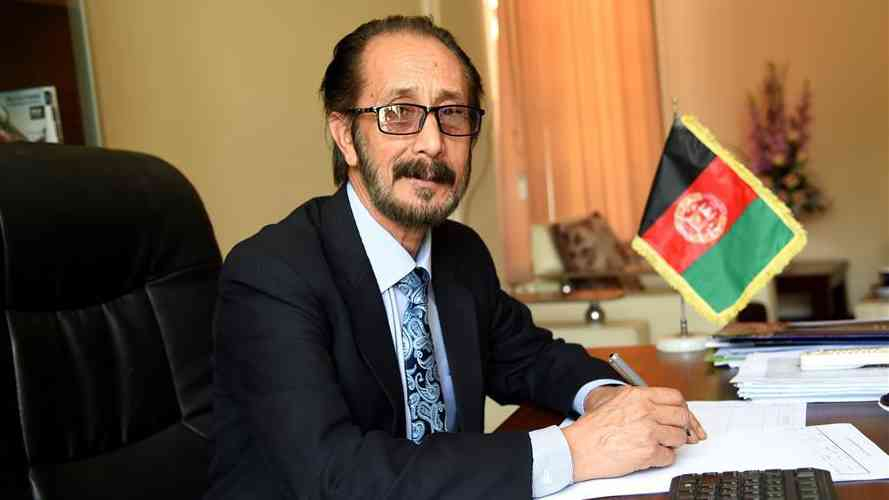
The Afghanistan National Archives chief sees diplomatic and trade relations between Afghanistan and China improving and believes Afghans are looking to further promote bilateral cultural and educational ties.
"Afghans are enthusiastic to further enhance cultural and educational ties with our friend and neighbor China," Mohammad Afsar Rahbin told Xinhua News Agency recently.
Introducing the Afghan archives, Rahbin said the institution was officially opened in 1977 during the government of Mohammad Daud Khan, Afghanistan's first president. It has now become home to tens of thousands of historical manuscripts and documents.

The exterior of the Afghanistan National Archives in Kabul, Afghanistan. /Xinhua Photo
The exterior of the Afghanistan National Archives in Kabul, Afghanistan. /Xinhua Photo
More than 130,000 historical manuscripts spanning culture, literature and religion, various copies of The Quran, as well as documents and protocols signed between Afghanistan and some neighboring countries, including four with China, are part of the archives, Rahbin said.
Photographs, newspapers, various Quran books, old currency, as well as both original and copies of many important documents are displayed for visitors, including the treaty signed between Afghanistan and the British Empire in 1919, under which Afghanistan was given complete independence and another important letter, written by Timur, dating back to the 14th century.
The building's interior design with its beautifully painted ceiling and carved woodwork is as praiseworthy as the content on display.
The structure was originally built by Amir Abdul Rahman Khan for his son and successor Amir Habibullah in 1892.
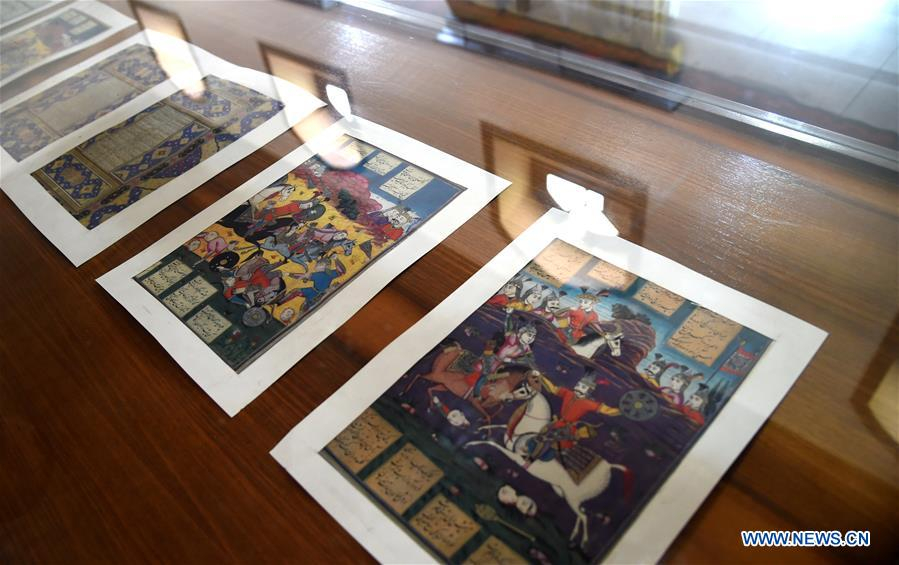
Historical documents are seen at the Afghanistan National Archives in Kabul, Afghanistan. /Xinhua Photo
Historical documents are seen at the Afghanistan National Archives in Kabul, Afghanistan. /Xinhua Photo
The institution also preserves some of the oldest historical manuscripts like the one dating back to the 1st AD and a holy Quran manuscript ascribed to Ottoman and Ali, the third and fourth Islamic caliphs, said Rahbin.
"Among the contracts signed with China, is a regionally valid agriculture scheme (Parwan Water-Supply), known as Parwan Project among the locals which irrigates wide areas of the province north of Kabul."
"We received the copy of the contract after approval from the country's National Assembly," the official said.
Despite several decades of devastating civil war and trafficking of numerous ancient relics from Afghanistan to other countries, the archives remained intact.
"Fortunately, the National Archives of Afghanistan is the only government-run institution that remained intact and safe from any kind of robbery and larceny during civil conflicts."

People visit the Afghanistan National Archives in Kabul, Afghanistan. /Xinhua Photo
People visit the Afghanistan National Archives in Kabul, Afghanistan. /Xinhua Photo
Ordinary people, researchers and students are not visiting the country's archives as much as before and the institution has yet to generate any revenue.
According to the official, usually around 100 people, many of them students, visit the archives on a daily basis.
Rahbin, who has never been to China, even during his tenure as Director of the Afghanistan National Archives, is expected to visit Chinese museums to understand which documents about his country are there.
"Farsi (an Afghan official language) was spoken widely in Kashgar and Tibet and even some itineraries and songs played in the Chinese ships were sung in Farsi, highlighting the two countries' close cultural relations."
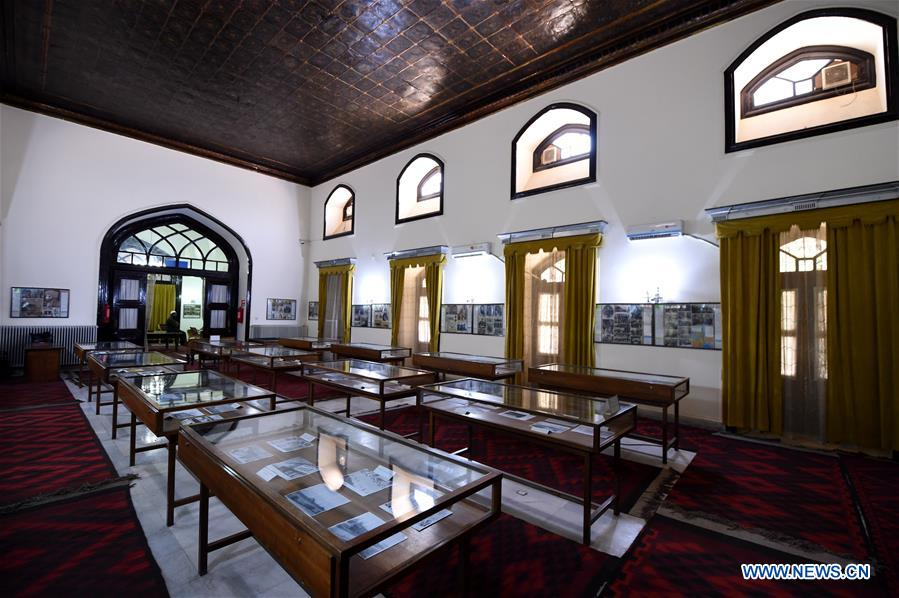
The interior is seen at the Afghanistan National Archives in Kabul, Afghanistan. /Xinhua Photo
The interior is seen at the Afghanistan National Archives in Kabul, Afghanistan. /Xinhua Photo
"And considering one of the most valid contracts signed with China was in 1969, both Afghan and Chinese sides need to visit each other's archives to get information about both sides' cultural documents," said Rahbin.
The main task of the institution is the protection of Afghanistan's historical memory so that the future generations can learn about their proud historical and cultural past. One of the main goals of the entity is the establishment of a link between past and future generations through the protection of cultural and historical documentary sources, according to Rahbin.
Source(s): Xinhua News Agency