
Culture
22:50, 11-Jul-2018
Relics unearthed at Jiaojia on display at National Museum of China
Updated
22:23, 14-Jul-2018
 ["china"]
Share







Copied
02:14
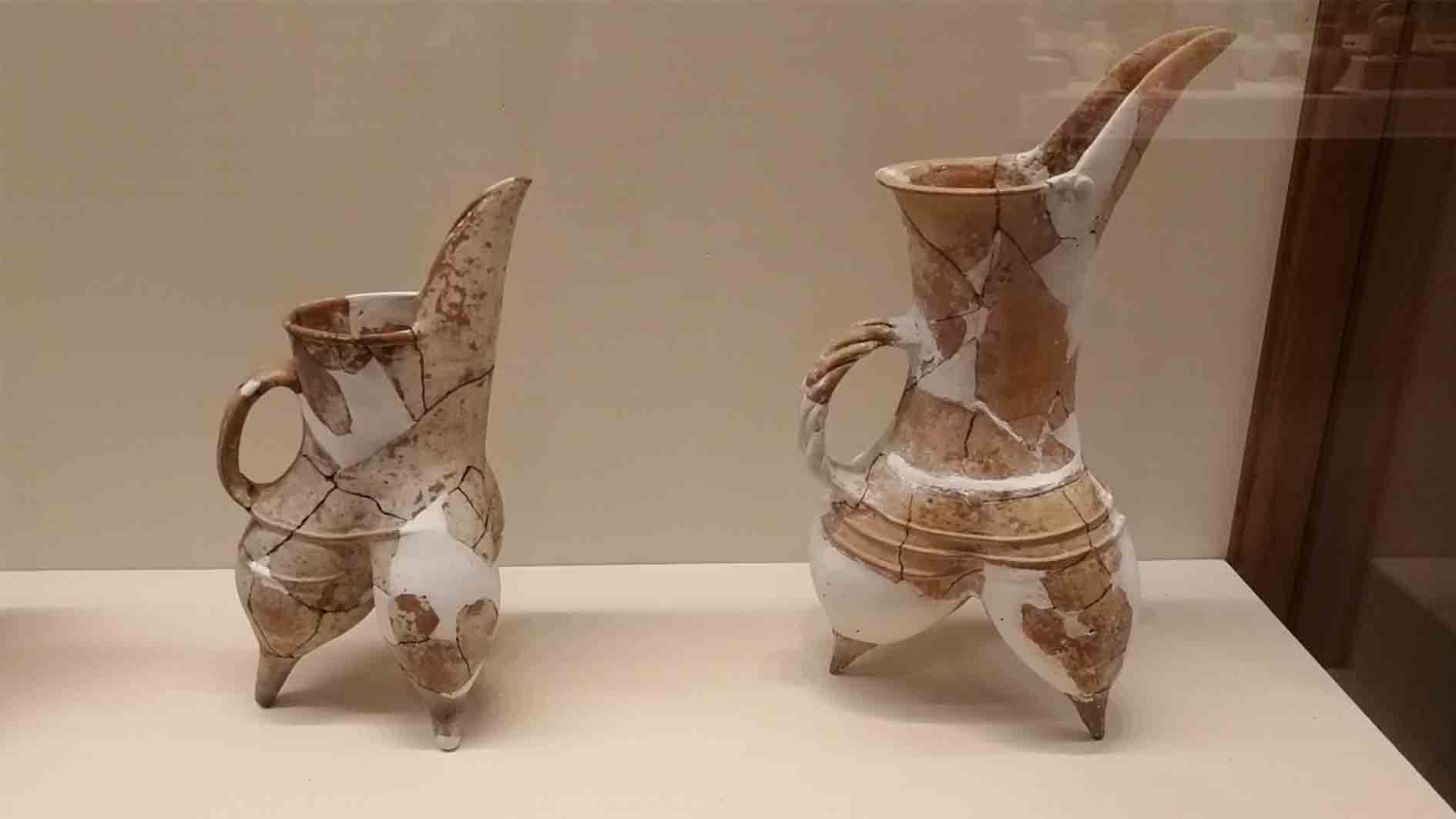
Hundreds of artifacts, which were recently unearthed in the village of Jiaojia in Jinan, capital of east China's Shandong Province, are now on display at the National Museum of China in Beijing.
Among those are items from a 5,000-year-old graveyard of "giants" whom experts say would have been unusually tall and strong.
Over 230 relics unearthed at Jiaojia are on display, from colorful pottery to jade ware.
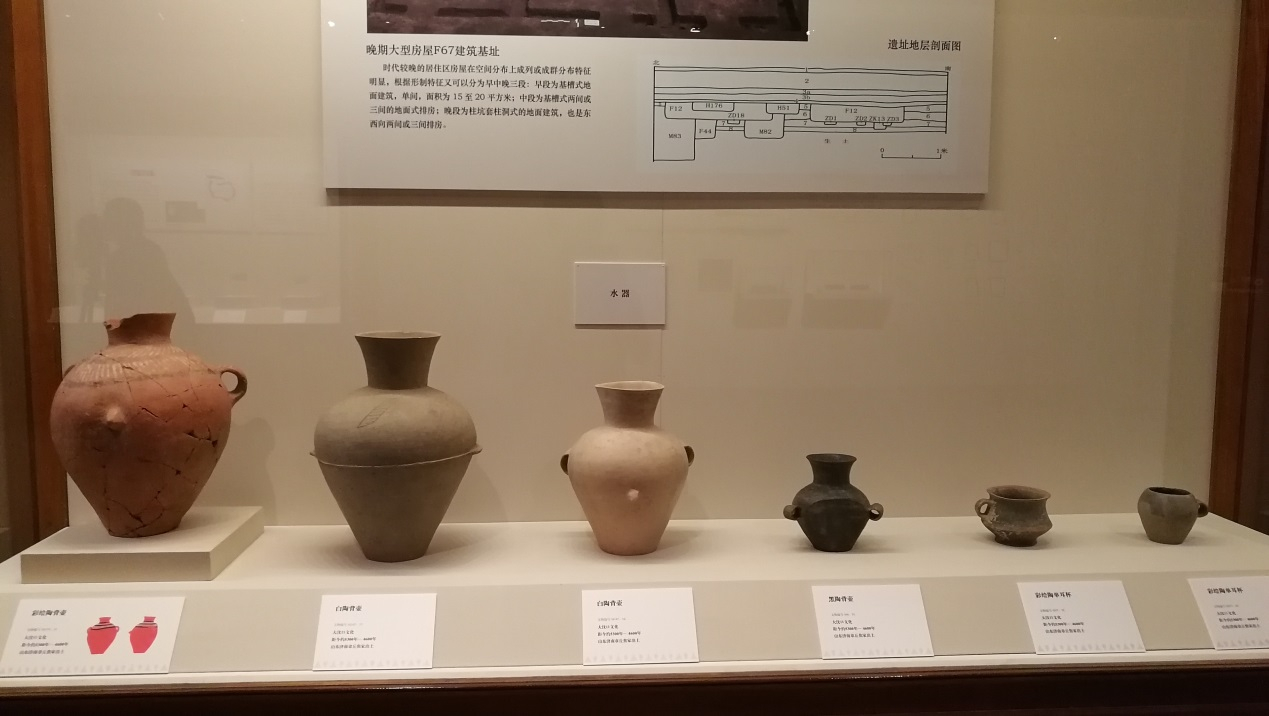
Colorful pottery on display at the National Museum of China /CGTN Photo
Colorful pottery on display at the National Museum of China /CGTN Photo
The ruin site was believed to be the political, economic and cultural center of Shandong 5,000 years ago. Since 2016, archaeologists have been excavating the ruins of 116 houses and 215 graves.
Skeletons of 5,000-year-old Chinese "giants" discovered at the ruins are also on display.
The measurements of the bones indicate that at least one man may have reached 1.9 meters tall with quite a few at 1.8 meters or taller, which experts say is incredible.
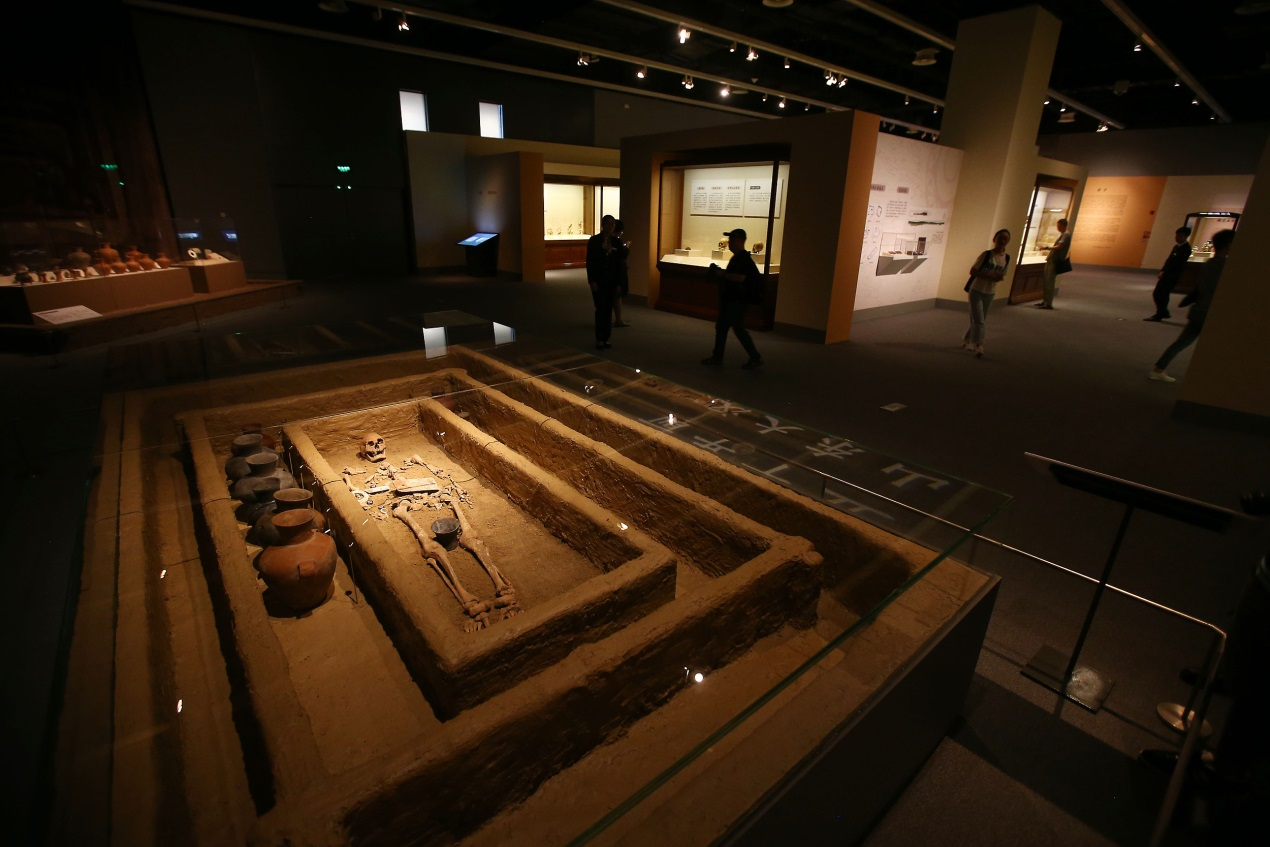
Skeletons of a Chinese "giants" on display at the National Museum of China /VCG Photo
Skeletons of a Chinese "giants" on display at the National Museum of China /VCG Photo
The curator says further study and excavation of the site is of great value to the understanding of the origin of culture in east China.
The primary study indicates that the relics are from the Longshan Culture, a late Neolithic civilization in the middle and lower reaches of the Yellow River thousands of years ago, named after Mount Longshan in Zhangqiu.