
World
22:17, 25-Jul-2018
New program tackles food waste in Indonesia
Updated
21:34, 28-Jul-2018
 ["china"]
Share







Copied
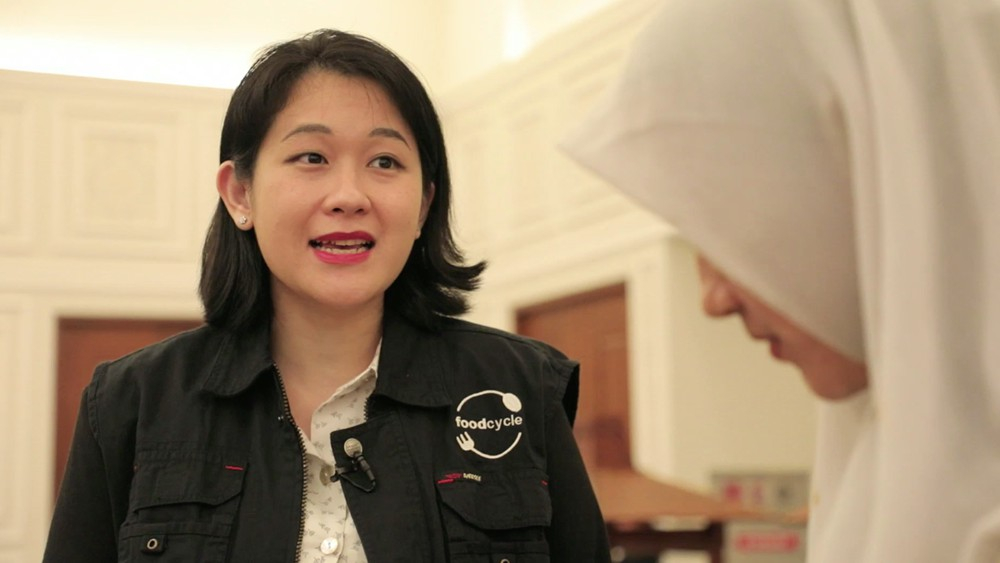
Astrid Paramita speaks confidently about the work that she has been doing the past eight months. Astrid and her husband co-founded the company Food Cycle a couple of years ago. Under that company, both are initiating a program that's not only benefitting the country's economy but its people as well.
Their program, "A Blessing To Share," began as a way to curb food waste in Indonesia. The country is the world's second largest producer of food waste, according to a study by the Economist Intelligence Unit.
Astrid has been looking for ways to lend a helping hand, and then found the easiest solution. Her program reduces food waste and helps feed Jakarta's poorest communities. It's common for weddings in Indonesia to have a large surplus of food, and most of the time, those dishes go to waste, are thrown out or left to rot for months in a landfill.
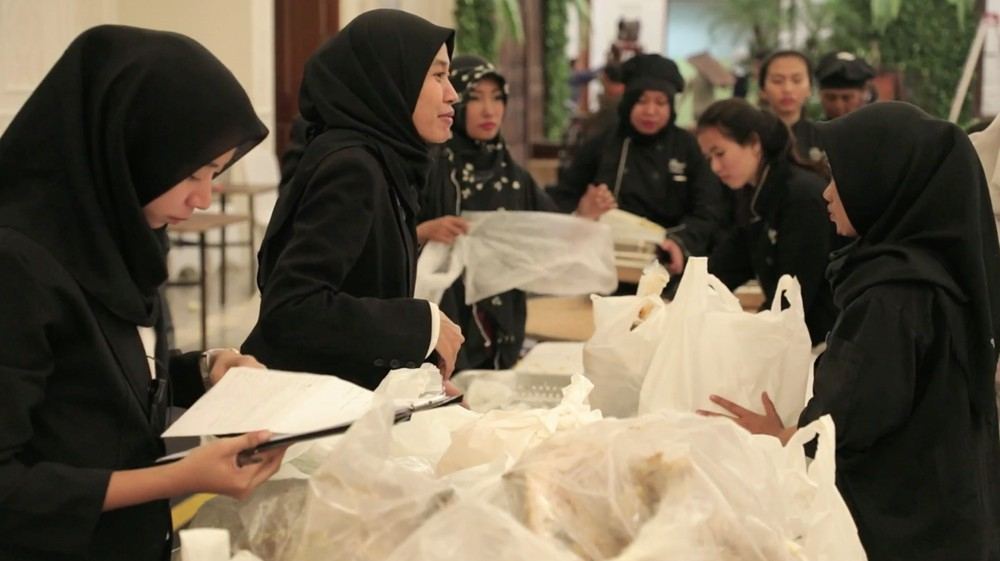
Employees pack leftover wedding food to distribute to the needy. /CGTN Photo
Employees pack leftover wedding food to distribute to the needy. /CGTN Photo
To lessen the problem, Astrid works with a wedding vendor company called "Bride Story," and together they work with brides and grooms to make sure their extra food is put to good use.
"We work closely with orphanages and food banks in Jakarta. Our program benefits both sides. We are helping the less fortunate but also helping the couples that have a surplus of food at their weddings. Essentially, we are here to provide a solution to food management," said Astrid.
Since its founding, Food Cycle has encouraged more than 50 weddings to participate in their program, and a total of 2,500 kilograms of food have been distributed across orphanages and Jakarta's impoverished communities.
Aretha Aprilia has studied waste management for many years. She thinks these initiatives are crucial in helping to reduce the food waste problem.
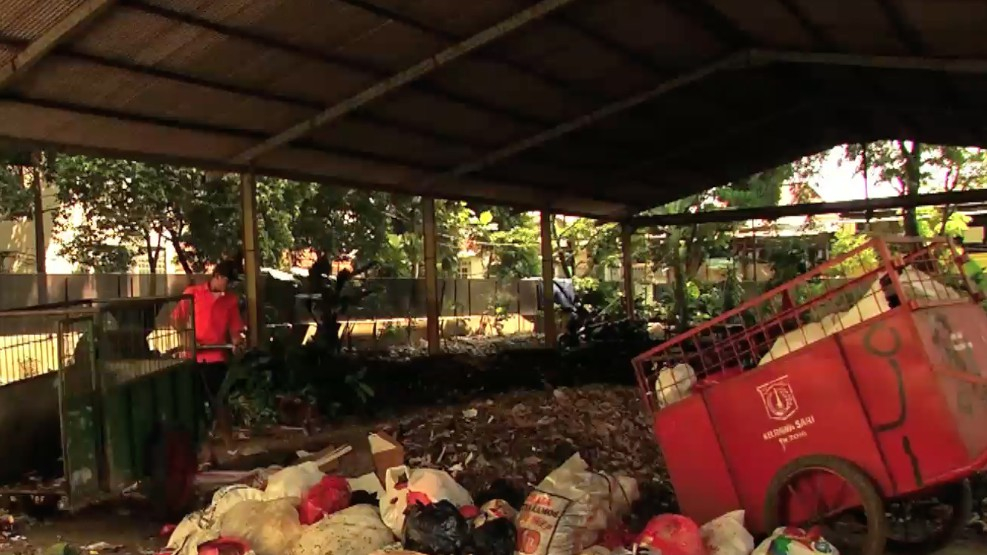
Indonesia is the second-largest producer of food waste in the world. /CGTN Photo
Indonesia is the second-largest producer of food waste in the world. /CGTN Photo
"I think this kind of pilot initiative is a very good idea and it should be scaled up. Because right now what we need from the people is awareness because now, as you see in Indonesia, the cost of waste is not as expensive as Europe or other countries, so we tend to purchase more but waste more, so I think what's important here is for us to be able to scale up such initiatives," said Aretha.
The urgency of the issue needs to be put in the spotlight as more than 6,000 tons of waste is produced every single day in Jakarta alone. Household kitchen waste makes up a large percentage of waste in the city.
Experts like Aretha believe the root of the issue is education and that the Indonesian government should begin to teach Indonesians to sort their waste and the importance of recycling. Creating awareness is also important, by teaching school children to be conscious of their waste and their environment at a young age.