
Opinions
22:14, 25-Sep-2018
Expert: White paper on trade friction appropriate for any country
Updated
21:24, 28-Sep-2018
 ["china"]
Share







Copied
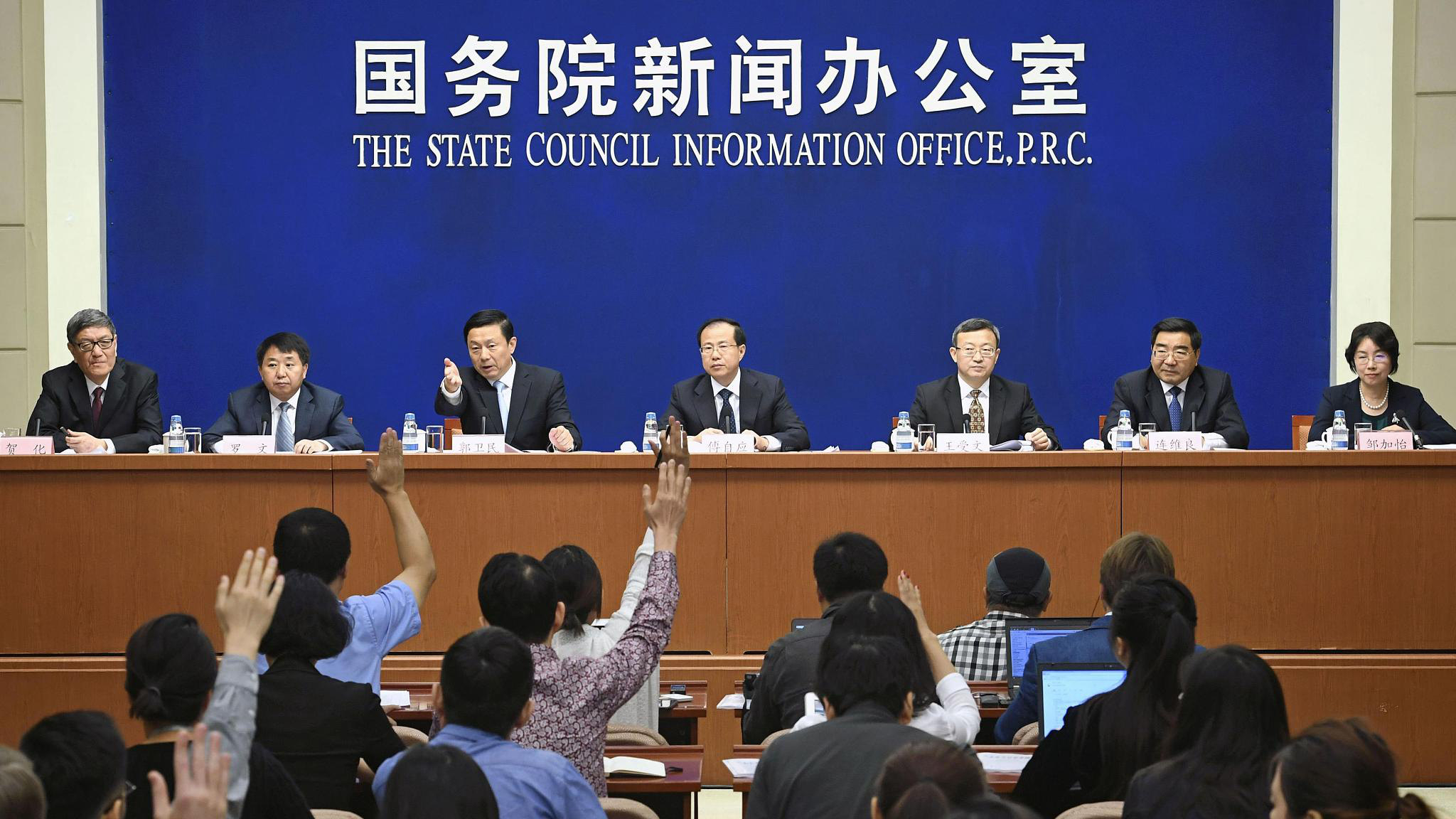
China released its white paper "The Facts and China's Position on China-US Trade Friction" on Monday to clarify facts about the bilateral trade and its stance while accusing the US of trade bullying and intimidation.
Einar Tangen, a current affairs commentator, lauds the 71-page white paper, saying it lays out the basis of the principles that China is acting on and goes through every aspect of international relations.
Excluding the foreword, the 36,000-Chinese-character white paper comprises six parts: mutually-beneficial and win-win China-US cooperation in the trade and economic field, clarification of the facts about China-US trade and economic relations, the trade protectionist practices of the US administration, the trade bullyism practices of the US administration, damage of the improper practices of the US administration to the global economy, and China's position.
00:44
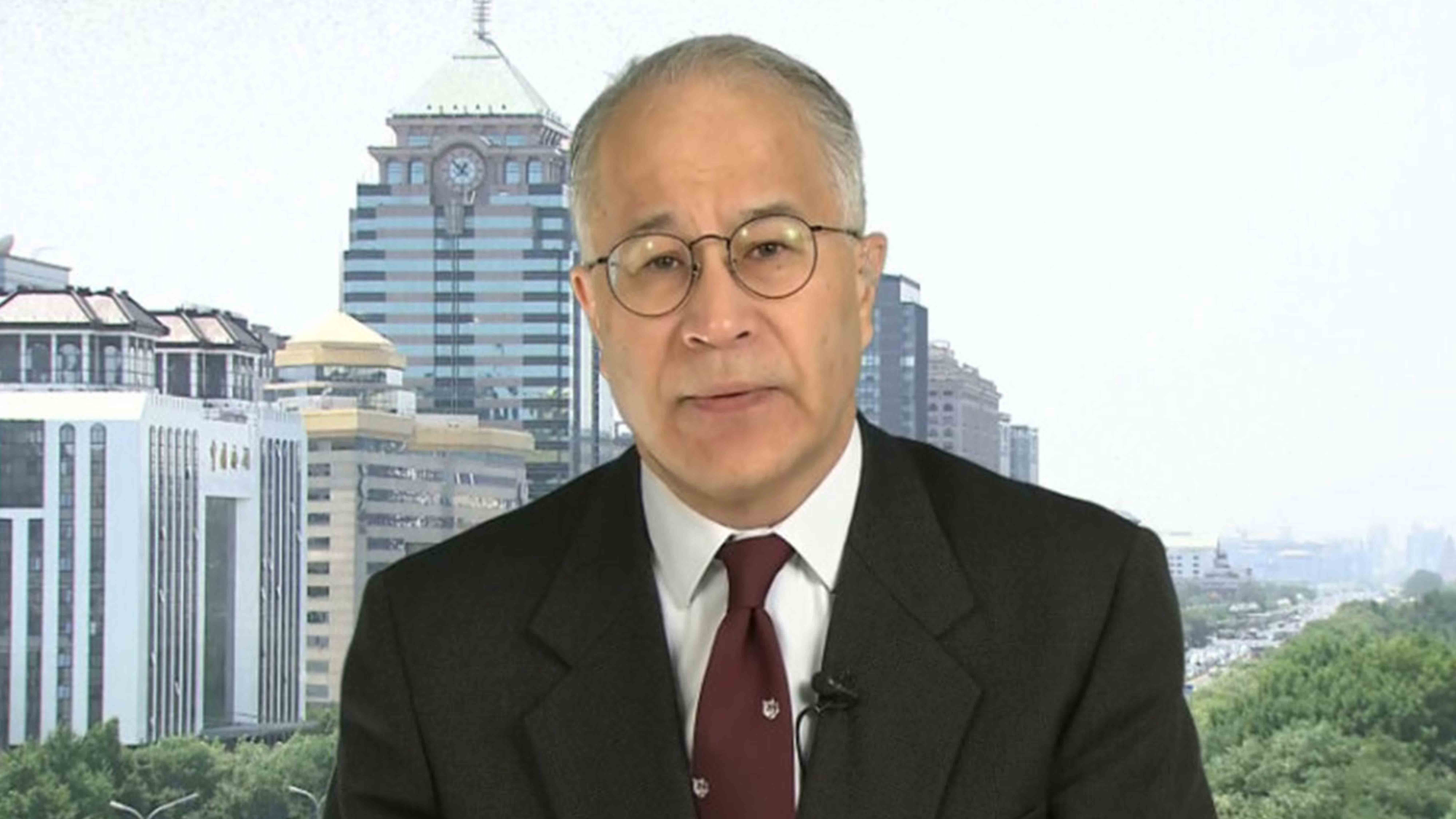
"There are eight conclusions that it comes to. And they talked out almost everything. China is looking for a shared vision of mutual benefit, they are not trying to engage in any trade war, and again, they are not going to be bullied into something that is against the international interest," said Einar Tangen.
The white paper points out that US President Donald Trump's administration has trumpeted his "America First" slogan since 2017. It says the US has abandoned the fundamental norms of mutual respect and equal consultation that guide international relations.
When commenting on US's trade policies, Zhang Jianping, director general of the Center for Regional Cooperation at the Chinese Academy of International Trade and Economic Cooperation, said the US sticks to its principle of America First, which means the US will not treat its partners equally.
"However, based on such a principle, the Trump administration also emphasizes they will have a so-called fair trade, which is a contradiction," said Zhang.
Zhang also said the US's so-called fair trade is "very tricky."
He stated that different countries have different trade advantages, which leads to varying levels of tariffs on different types of products.
"However, the Trump administration emphasized that they should impose the same level of tariff. That's impossible," said Zhang.
03:28

When talking about fair trade, Trump has said China is not a developing country and should not be treated as one. Zhang also refuted this.
"China's manufacturing sector still occupies 40 percent of China's GDP, and China's per capita GDP is about 9,000 US dollars. And 300 million Chinese people are still living in poverty," Zhang said.
He said all these indicate that China is still the world's largest developing economy.
Zhang said even if the US has a different understanding of such basic facts, it would be the right choice to conduct a new round of negotiations.
"However, the US just picks a simple way – the tariff policy. That's wrong," said Zhang.
The white paper says China responded from the perspective of common interests of both parties as well as the global trade order. China continues to define its position on the situation, saying economic globalization is an international trend, and that trade protectionism goes against the course.
Tangen says he thinks this would be an appropriate paper for any country, regardless of what it is.
"If the US was putting it out there, it would not be out of line. It's simply saying that national interests and the future have to be regarded," said Tangen.
(If you want to contribute and have specific expertise, please contact us at opinions@cgtn.com.)